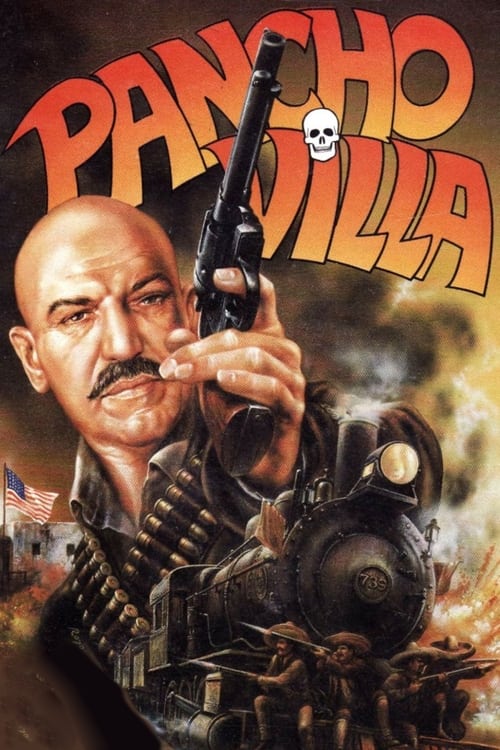
Pancho Villa
1972
No user ratings available yet
Representation score: 2.9 out of 10
Representation Score
Limited
1968
RDirector
Buzz Kulik
Runtime
121 minutes
Average Rating
No ratings yetNew Showbiz Analysis
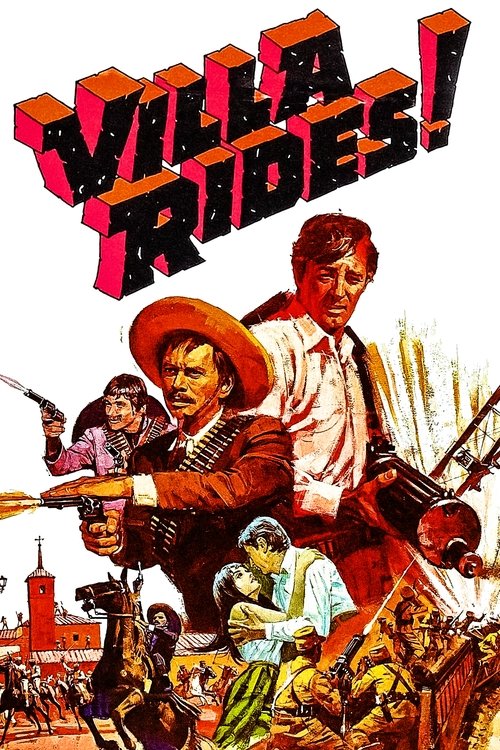
Villa Rides stands out from typical Westerns by focusing on the Mexican Revolution and its ethnic diversity. The inclusion of diverse leading actors and a focus on the revolutionary peasantry provide a meaningful shift from the era's usual Anglo-centric narratives. However, the film adheres to traditional social norms. It lacks any LGBTQ+ representation and features limited gender roles where women primarily serve as emotional support for men. Ultimately, the film's strength lies in its political engagement. By criticizing corrupt authority and examining systemic upheaval, it transcends simple genre clichés to address themes of sovereignty and social justice.
Category Breakdown
The film does not include any LGBTQ+ characters or non-straight relationships. Romantic subplots follow traditional mid-century structures focused on heterosexual couples.
Female characters mainly serve as romantic interests or emotional catalysts for the male protagonists. The film upholds 1960s gender hierarchies with little challenge to women's roles.
The narrative centers the Mexican Revolution and its diverse participants. Casting Arnold Palacios in a leading role breaks the typical Anglo-centric homogeneity of the Western genre.
The film explores post-colonial themes by presenting the existing dictatorship as a corrupt entity. It frames the dismantling of the established social order as a means for political change.
There are no prominent depictions of visible or invisible disabilities. No characters with disabilities play central roles in the narrative.
Present on Screen
Limited or Absent
Official Synopsis
Pulled into the Mexican Revolution by his own greed, Texas gunrunner and pilot Lee Arnold joins bandit-turned-patriot Pancho Villa and his band of dedicated men in a march across Mexico battling the Colorados and stealing women's hearts as they go. But each has a nemesis among his friends: Arnold is tormented by Fierro, Villa's right-hand-man; and Villa must face possible betrayal by his own president's naiveté
1972

1967
1960
1968
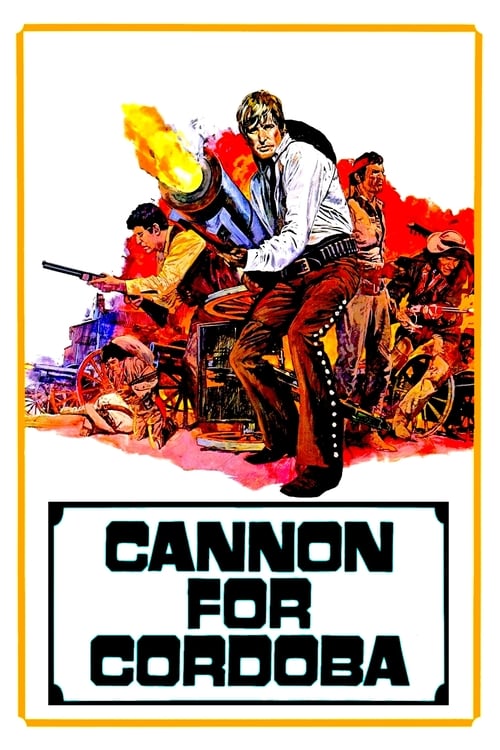
1970
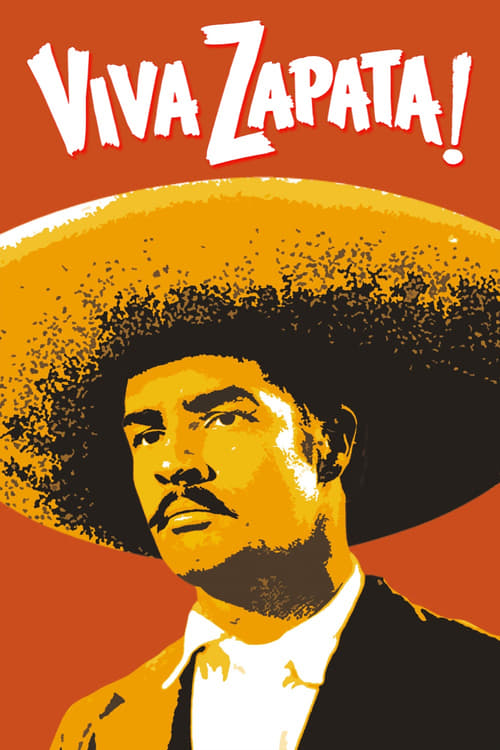
1952
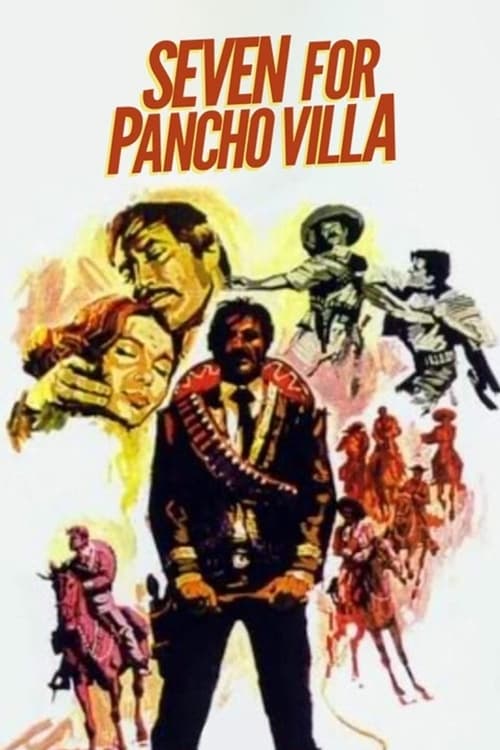
1967
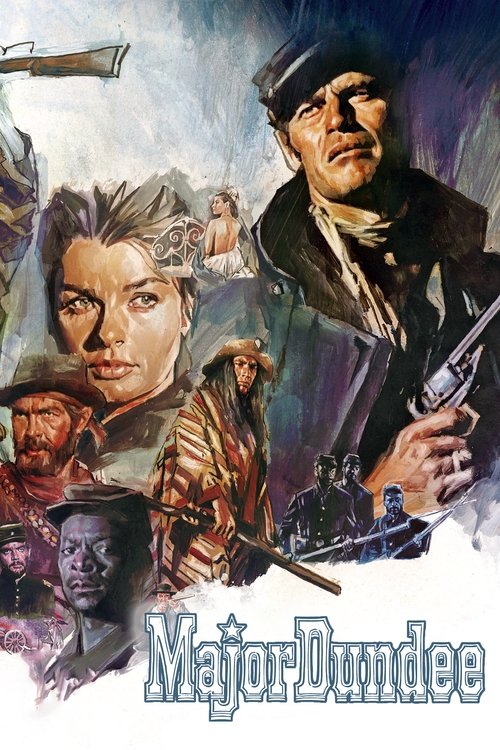
1965
No reviews yet. Be the first to share your thoughts on this movie!
Use the rating form above to leave a star rating and optional review.