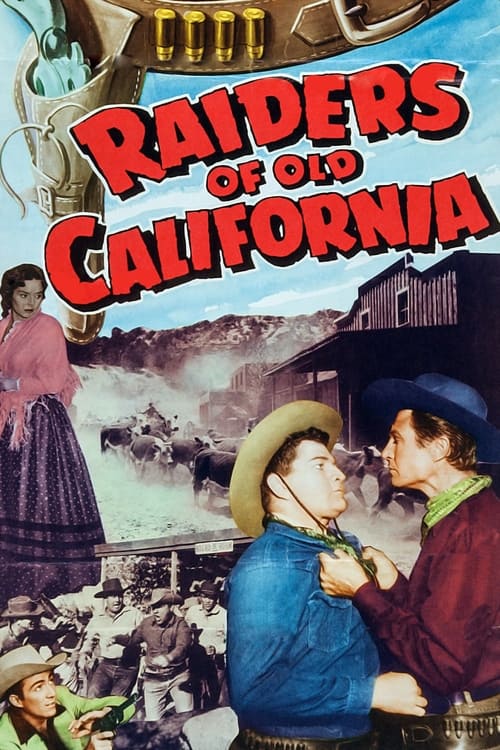
Raiders of Old California
1957
No user ratings available yet
Diversity score: 1.2 out of 10
1965
ApprovedDirector
Sidney Salkow
Runtime
101 minutes
Average Rating
No ratings yetSynopsis
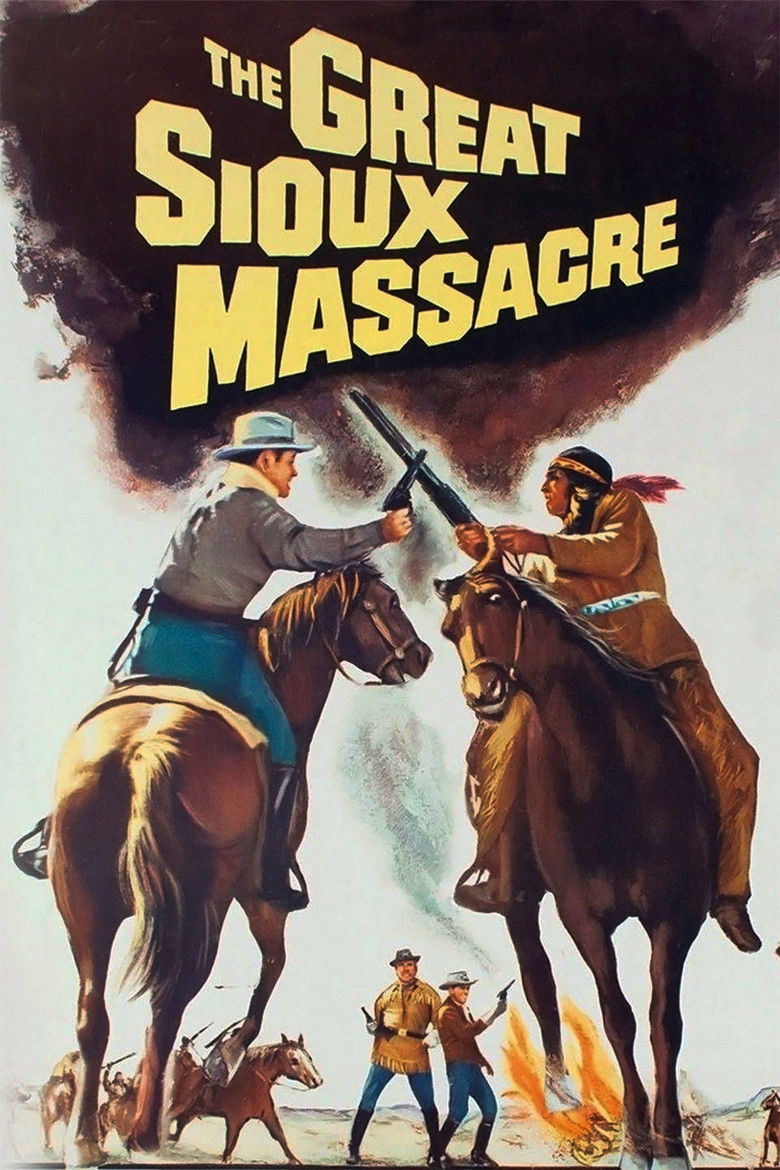
Colonel Custer, an outspoken believer in fair treatment for the Indians, is ousted from his post and forced into retirement. Fueled by ambition when a Senator Blaine convinces him to run for President, Custer decides to upstage General Terry at Little Big Horn.
Overall Score
Fair
Category Breakdown
LGBTQ+ Representation
The film contains no identifiable LGBTQ+ characters or narratives. Character dynamics remain strictly within the traditional social structures of the late 19th century.
Gender Representation
Women are relegated to domestic or supportive roles, functioning as secondary figures. The narrative lacks significant subversion of masculine leadership or female agency.
Racial & Ethnic Diversity
The film provides meaningful representation of the Lakota Sioux, moving away from common 'savage' tropes. It grants depth and humanity to Indigenous characters through the depiction of their displacement.
Religious & Cultural Diversity
The narrative critiques colonial violence by depicting the Wounded Knee Massacre and Sitting Bull's death. It highlights the friction between state authority and Indigenous sovereignty.
Disability Representation
There is no intentional focus on disability representation. While conflict takes a physical toll, characters with disabilities are not central agents of the story.
Strengths
Areas for Improvement
AI Analysis
The Great Sioux Massacre stands out for its willingness to challenge the traditional Western mythos. Rather than celebrating expansionist triumph, the film frames the U.S. military's actions as a systemic tragedy, offering a post-colonial perspective that was progressive for 1965. However, the film remains a product of its era regarding social hierarchies. The lack of LGBTQ+ representation and the marginalization of women into purely supportive roles significantly lower the overall diversity profile. Ultimately, the film's strength lies in its humanization of the Lakota Sioux. By centering the suffering of Indigenous peoples, it disrupts the 'heroic conqueror' trope common in the genre.
No reviews yet. Be the first to share your thoughts on this movie!
Use the rating form above to leave a star rating and optional review.