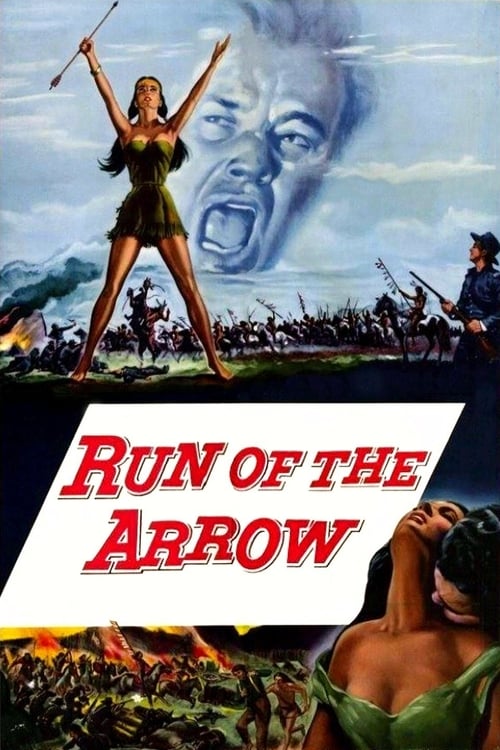
Run of the Arrow
1957
No user ratings available yet
Diversity score: 4.9 out of 10

1983
PGDirector
John Hough
Runtime
86 minutes
Average Rating
No ratings yetSynopsis
Shunka Wakan, formerly Lord John, helps his Dakota son defend their tribe against gold rushers.
Overall Score
Fair
Category Breakdown
LGBTQ+ Representation
The film contains no visible LGBTQ+ characters or queer identities. The social structures depicted follow strict heteronormative frameworks typical of a 19th-century setting.
Gender Representation
Gender roles follow traditional hierarchies, with masculine roles defined by physical prowess and leadership. While Sigourney Weaver is a central figure, her agency remains tied to the protagonist's survival.
Racial & Ethnic Diversity
The film centers Sioux culture and utilizes a predominantly Indigenous ensemble. While viewed through a white protagonist's lens, it avoids making the settler the moral center.
Religious & Cultural Diversity
The narrative prioritizes Indigenous spiritual practices and subsistence lifestyles. It frames the gold rush and Western expansion as destructive, destabilizing forces rather than progress.
Disability Representation
No characters with visible or invisible disabilities are central to the narrative arc.
Strengths
Areas for Improvement
AI Analysis
Triumphs of a Man Called Horse acts as a transitional Western that challenges the standard 'manifest destiny' trope. By framing the gold rush as a source of conflict and displacement, the film critiques Western expansionism and prioritizes Indigenous customs over settler values. However, the film remains limited by traditional gender hierarchies and a complete lack of LGBTQ+ visibility. While the Indigenous ensemble provides significant racial representation, the narrative still relies on a white protagonist to drive the story forward. Ultimately, the film succeeds in shifting the focus from Western conquest to the preservation of tribal identity, offering a nuanced look at cultural collision despite its period-specific social limitations.
1957
1954
1955
1960
1954
1917
1974
1966
2018
2019
1956
1939
No reviews yet. Be the first to share your thoughts on this movie!
Use the rating form above to leave a star rating and optional review.