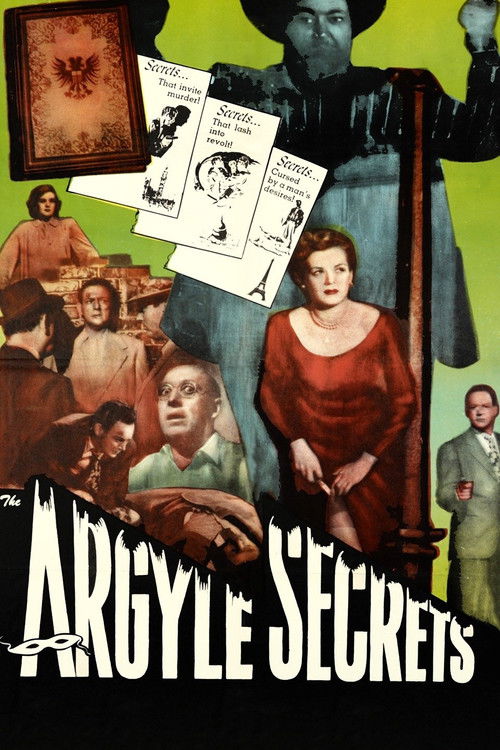
The Argyle Secrets
1948
No user ratings available yet
Diversity score: 3.3 out of 10

1957
Director
Michael McCarthy
Runtime
88 minutes
Average Rating
No ratings yetSynopsis
One time members of a resistance group come together every year to remember their dead leader, betrayed to and executed by the Nazis. When it seems that they might finally know the name of the traitor - and that he or she comes from within their own unit - their annual gathering becomes a deadly trial...
Overall Score
Limited
Category Breakdown
LGBTQ+ Representation
The film lacks explicit LGBTQ+ characters or narratives. The story focuses on the internal mechanics of a resistance group, following traditional mid-century social structures.
Gender Representation
While the mystery allows for a male or female traitor, the narrative lacks subversion of gender hierarchies. It centers on a resistance unit typical of 1950s masculine-led cinema.
Racial & Ethnic Diversity
The European setting and resistance theme suggest a demographic homogeneity common to the era. There is no indication of a non-white or diverse cast.
Religious & Cultural Diversity
The film explores wartime ethics and loyalty through a traditional mystery lens. It does not present anti-Western or anti-capitalist narratives, focusing instead on localized betrayal.
Disability Representation
There is no evidence of characters with visible or invisible disabilities within the narrative.
Strengths
Areas for Improvement
AI Analysis
The Traitor operates as a standard mid-century mystery, adhering closely to the dramatic conventions of 1957. While it engages with the systemic conflict of resistance against Nazi occupation, the film lacks intersectional complexity. The narrative architecture relies on established cinematic tropes of its era. It focuses on the internal tension of a specific unit rather than disrupting social hierarchies or exploring diverse identities. Ultimately, the film functions as a localized study of treason and loyalty, reflecting the demographic and social homogeneity typical of period dramas from this period.
1948
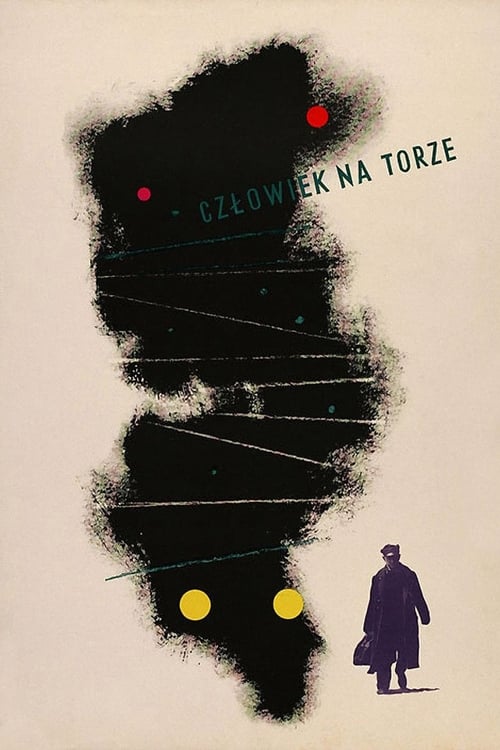
1957
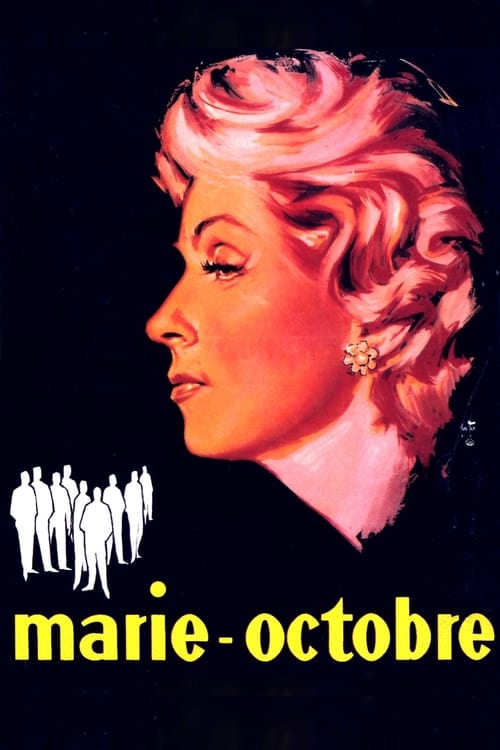
1959
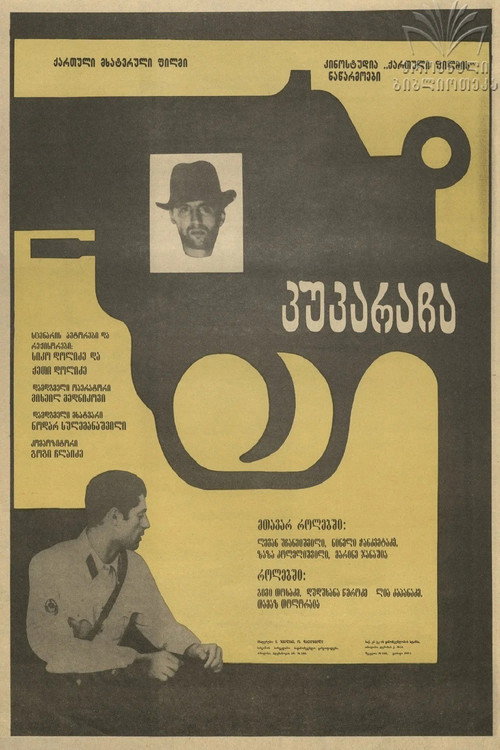
1982

1948
1951
1957
1937
1943
1954
1972
2015
No reviews yet. Be the first to share your thoughts on this movie!
Use the rating form above to leave a star rating and optional review.