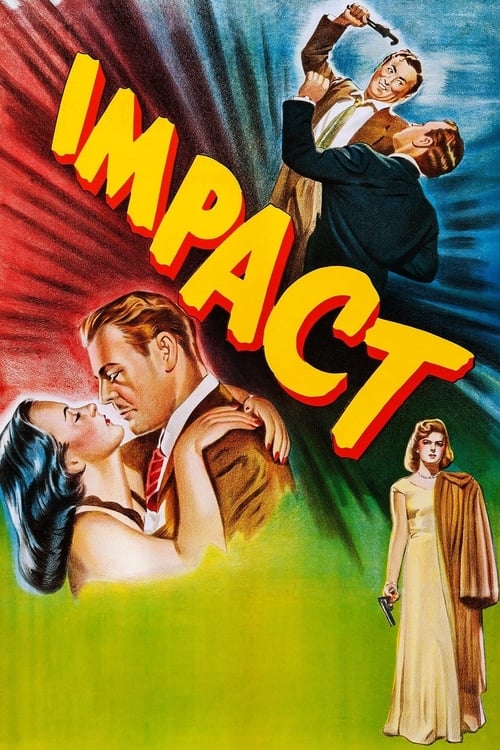
Impact
1949
No user ratings available yet
Representation score: 1.4 out of 10
Representation Score
Limited
1951
NRDirector
Robert Wise
Runtime
93 minutes
Average Rating
No ratings yetNew Showbiz Analysis
The film centers on a female protagonist who actively navigates a dangerous criminal environment, challenging the idea of women being passive in such settings. However, the film lacks depth in representing various demographics and focuses on individual morality rather than systemic issues.
Category Breakdown
The film doesn't include any LGBTQ+ characters or explore queer relationships. It follows the assumption that everyone is straight or cisgender.
Victoria Kowelska is a strong female lead who navigates a male-dominated criminal world. However, her character is still tied to traditional moral stories.
The film focuses mainly on a white cast despite the multicultural setting of the Gold Rush era. Diverse ethnic groups are not central to the plot.
The story criticizes the negative impacts of materialism and wealth. It looks at individual morality rather than a broader societal critique.
There are no visible or hidden disabilities shown in the main characters or the supporting cast.
Present on Screen
Limited or Absent
Official Synopsis
Concentration camp survivor Victoria Kowelska finds herself involved in mystery, greed, and murder when she assumes the identity of a dead friend in order to gain passage to America.
1949

1976
1957

1946

1947
1964
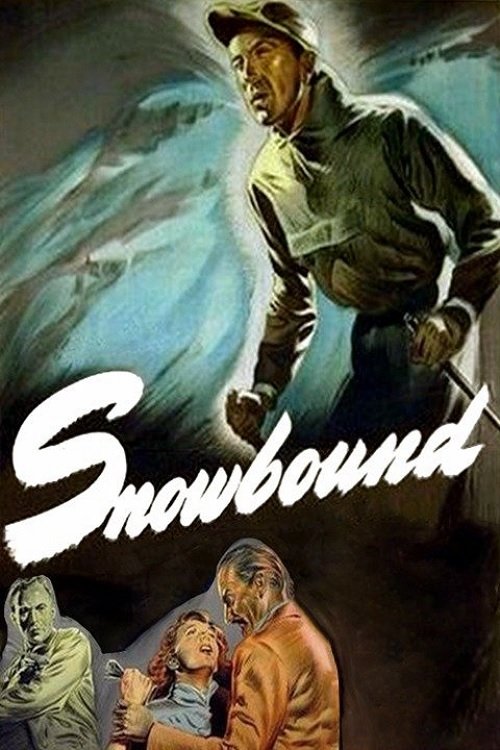
1948
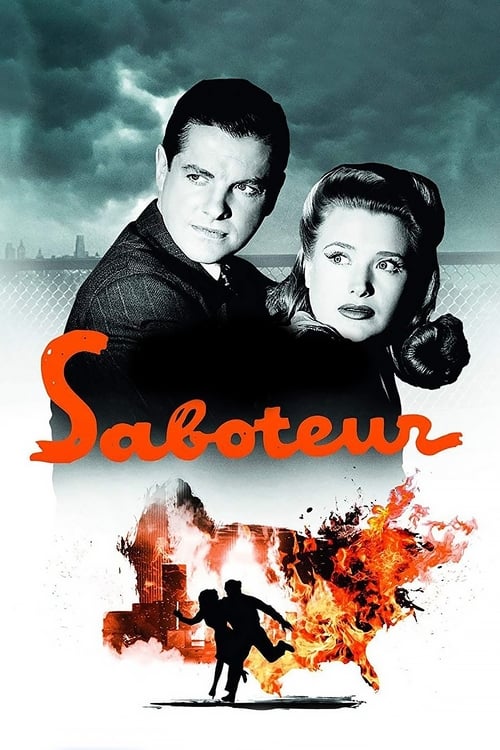
1942
No reviews yet. Be the first to share your thoughts on this movie!
Use the rating form above to leave a star rating and optional review.