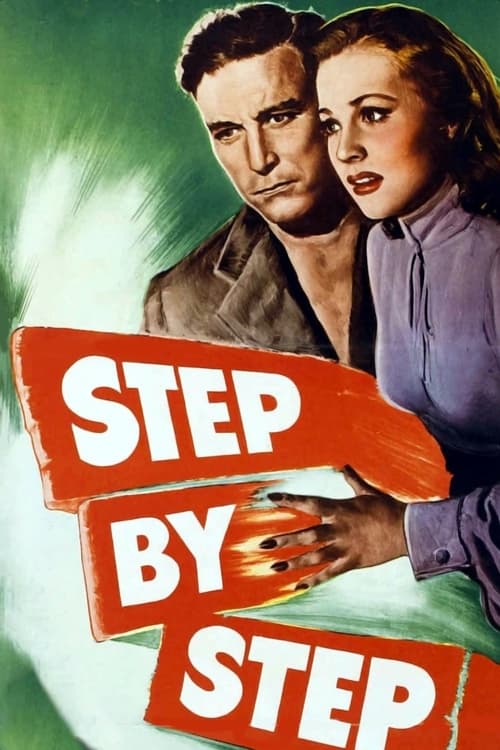
Step by Step
1946
No user ratings available yet
Representation score: 1.4 out of 10
Representation Score
Minimal
1943
NRDirector
Richard Wallace
Runtime
94 minutes
Average Rating
No ratings yetNew Showbiz Analysis
The film adheres to the traditional mystery structure of its time, reinforcing established social and gender hierarchies. The narrative centers around a male figure navigating systemic threats, such as Nazi operatives. While the plot delves into psychological instability and European political conflict, these elements serve the mystery rather than providing nuanced representation. Female and psychologically unstable characters are positioned as elements to be resolved or protected. Overall, the film lacks intentional subversion of norms or multi-layered complexity, sticking to the conventional cinematic language of 1943.
Category Breakdown
The film does not include any LGBTQ+ characters or non-straight identities. Relationships follow the heterosexual norms of the 1940s.
Women play important roles but are mostly reactive to the male protagonist’s investigation. They serve as subjects of inquiry or connections to the past rather than independent actors.
The story lacks significant racial diversity, focusing on a Western-centric mystery. The cast appears uniform, centered on New York and European politics.
The narrative operates within a traditional Western moral framework. It explores European political instability through the lens of Western investigative heroism and standard procedural logic.
Psychological instability is used as a plot device to increase tension. These depictions treat mental health as a source of narrative vulnerability.
Present on Screen
Limited or Absent
Official Synopsis
Imprisoned during the Spanish Civil War, John "Kit" McKittrick is released when a New York City policeman pulls some strings. Upon returning to America, McKittrick hears that a friend has committed suicide, and he begins to smell a rat. During his investigation, McKittrick questions three beautiful women, one of whom has a tie to his refugee past. Pursued by Nazi operatives, McKittrick learns of the death of another friend, and begins to suspect the dark Dr. Skaas.
1946
1943

1947
1944
1945

1946

1957

1941
No reviews yet. Be the first to share your thoughts on this movie!
Use the rating form above to leave a star rating and optional review.