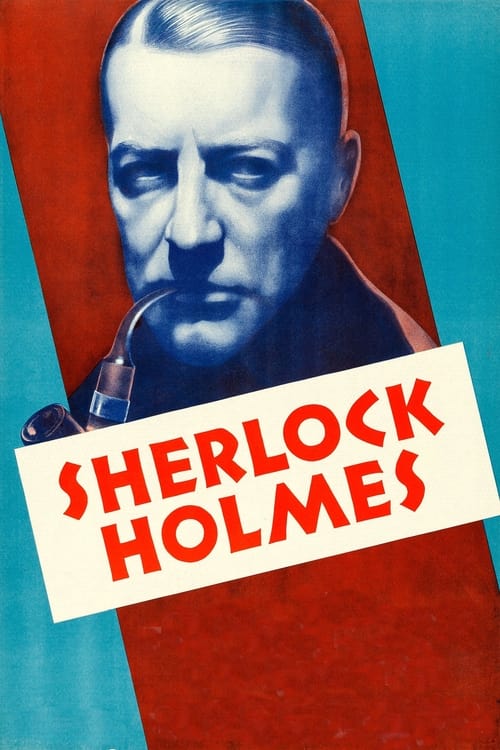
Sherlock Holmes
1932
No user ratings available yet
Diversity score: 1.9 out of 10
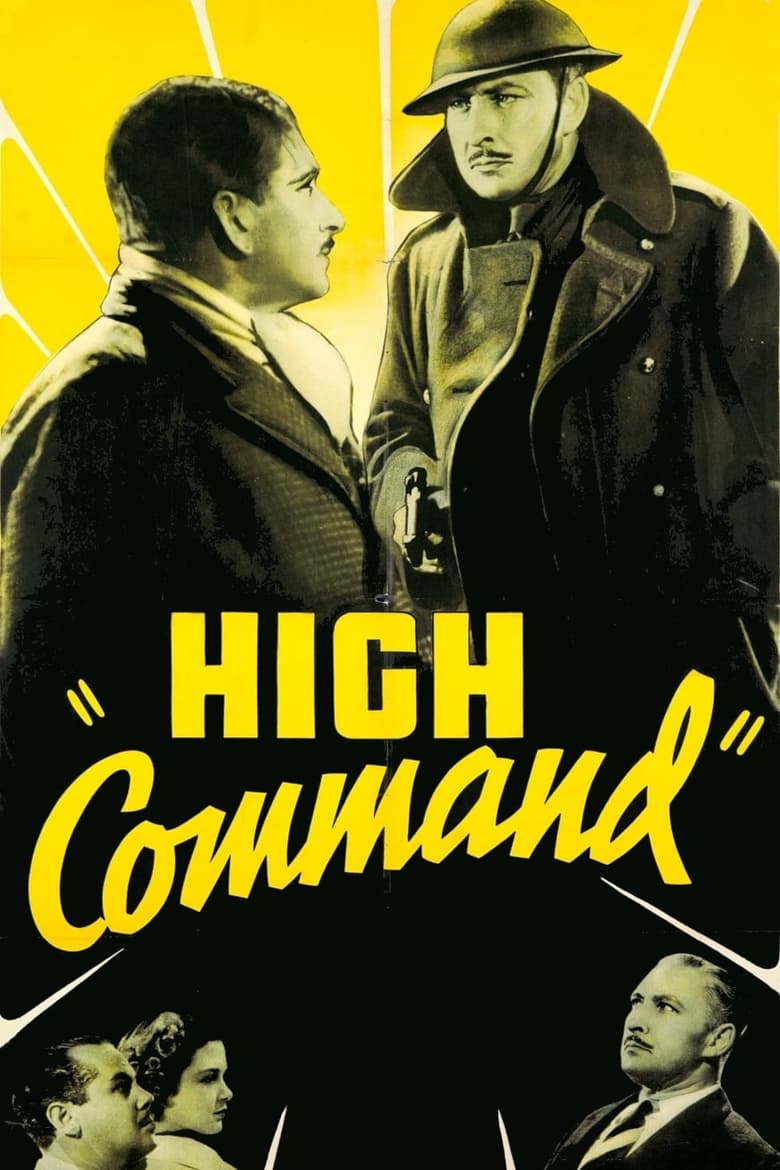
1937
NRDirector
Thorold Dickinson
Runtime
84 minutes
Average Rating
No ratings yetSynopsis
A general must come to terms with a crime he commited years earlier.
Overall Score
Limited
Category Breakdown
LGBTQ+ Representation
The narrative remains strictly confined to masculine, hierarchical military structures. There are no depictions of non-cisnormative identities or narratives that challenge heteronormativity.
Gender Representation
Power dynamics are exclusively male-centric, focusing on military command structures. Women are largely absent from the central political and strategic maneuvering.
Racial & Ethnic Diversity
The cast is homogeneous, reflecting the historical context of the Third Reich. The film lacks diverse ethnic representation or color-blind casting.
Religious & Cultural Diversity
The film offers a sophisticated critique of Western institutional authority. It portrays the decay of leadership and the corruption of military honor under a totalitarian regime.
Disability Representation
There are no prominent depictions of visible or invisible disabilities. Characters with disabilities are not utilized as narrative devices.
Strengths
Areas for Improvement
AI Analysis
The film is a period-specific psychological drama that prioritizes thematic depth over demographic variety. While it lacks representation across most identity categories, it succeeds as a critique of institutional corruption. The low scores in gender, race, and LGBTQ+ representation are direct results of the film's focus on a homogeneous German military elite. It operates within the rigid social constraints of its 1938 setting. However, the work finds its strength in cultural complexity. It deconstructs the 'noble soldier' myth, using the breakdown of professional ethics to comment on the fragility of social and political order.
No reviews yet. Be the first to share your thoughts on this movie!
Use the rating form above to leave a star rating and optional review.