
Operation Finale
2018
No user ratings available yet
Representation score: 4.2 out of 10
Representation Score
Fair
2015
RDirector
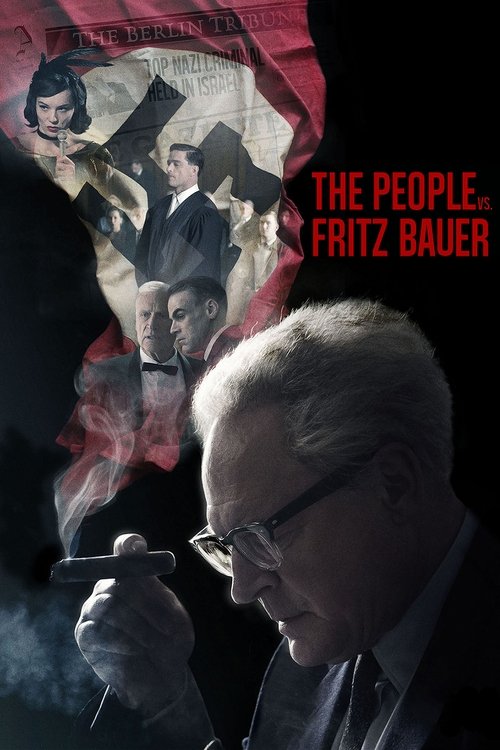
Lars Kraume
Runtime
105 minutes
Average Rating
No ratings yetNew Showbiz Analysis
The film excels at using individual identity to critique systemic failures. By centering a queer, Jewish protagonist, the narrative disrupts traditional myths of post-war German heroism and institutional integrity. While the historical setting limits gender roles, the film's strength lies in its refusal to present a unified portrait of the state. It effectively highlights the friction between personal conscience and a corrupt political apparatus. Ultimately, the work serves as a powerful deconstruction of power structures, using diverse perspectives to challenge the legitimacy of the post-war establishment.
Category Breakdown
The film centers on Fritz Bauer’s identity as a gay man in a repressive 1950s society. His sexuality highlights his social isolation and professional challenges.
The narrative focuses on male-dominated spheres such as law and politics. Women are largely on the periphery, reinforcing the traditional gender hierarchies of the mid-century setting.
The story offers a nuanced look at Jewish identity in post-war Germany. It uses Bauer’s heritage to highlight the tension between his pursuit of justice and a state that tends to erase his history.
The film provides a sophisticated critique of West German institutions. It portrays the judiciary as a corrupt entity prioritizing systemic stability over moral accountability for Nazi crimes.
There are no significant depictions of visible or invisible disabilities that serve as central narrative drivers in this film.
Present on Screen
Limited or Absent
Official Synopsis
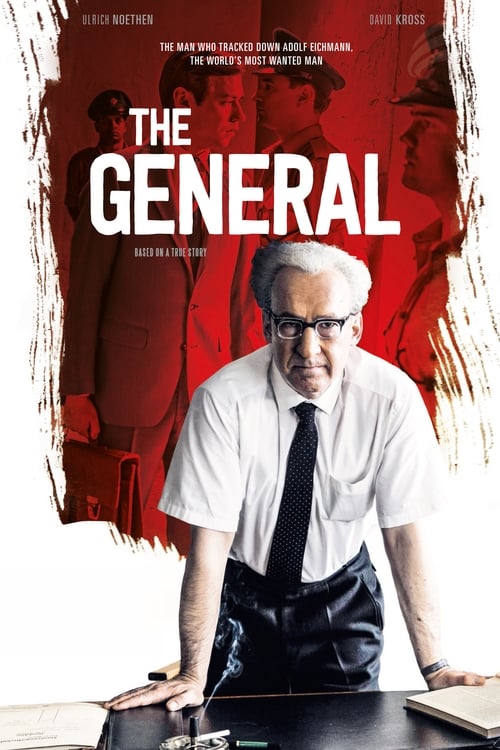
It is the late 1950s. Flourishing under the economic miracle, Germany grows increasingly apathetic about confronting the horrors of its recent past. Nevertheless, Fritz Bauer doggedly devotes his energies to bringing the Third Reich to justice. One day Bauer receives a letter from Argentina, written by a man who is certain that his daughter is dating the son of Adolph Eichmann. Excited by the promising lead, and mistrustful of a corrupt judiciary system where Nazis still lurk, Bauer journeys to Jerusalem to seek alliance with Mossad, the Israeli secret service. To do so is treason — yet committing treason is the only way Bauer can serve his country.
2018
1974
2016
2014
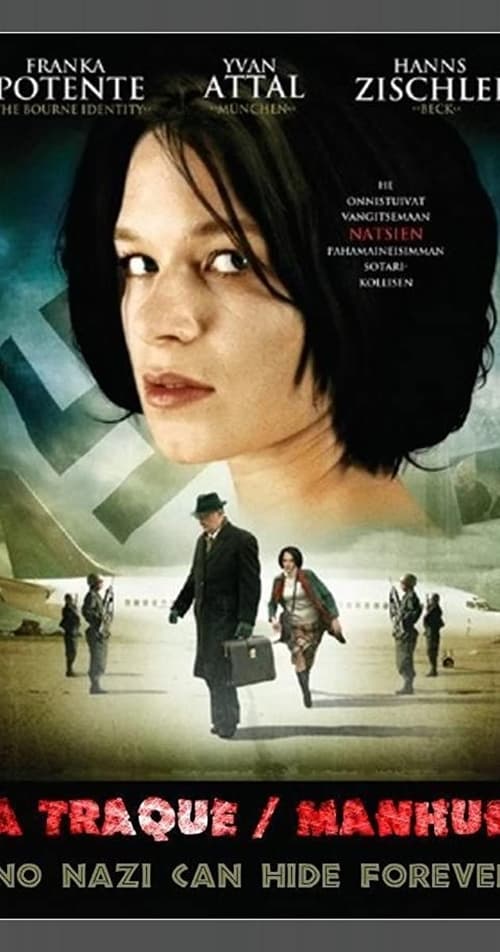
2008
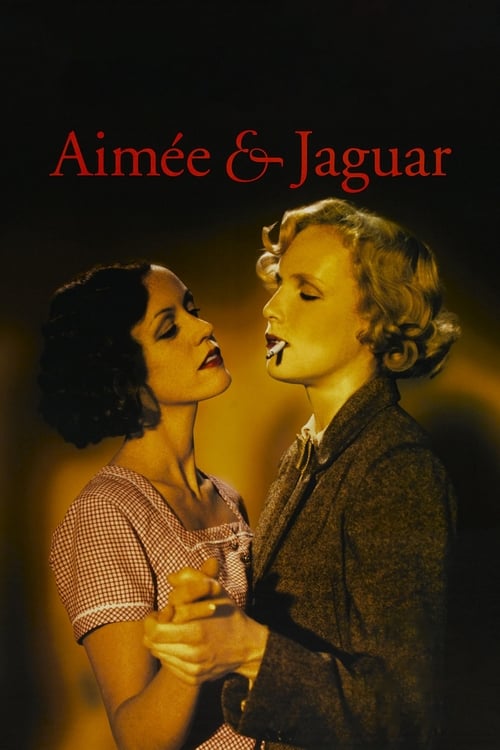
1999
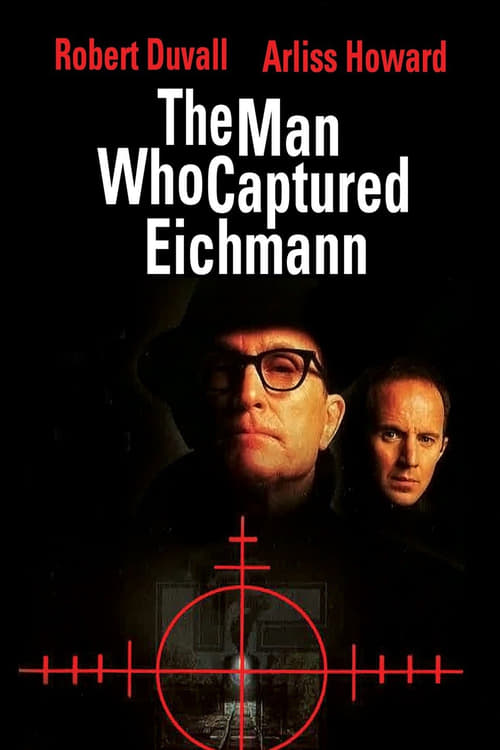
1996
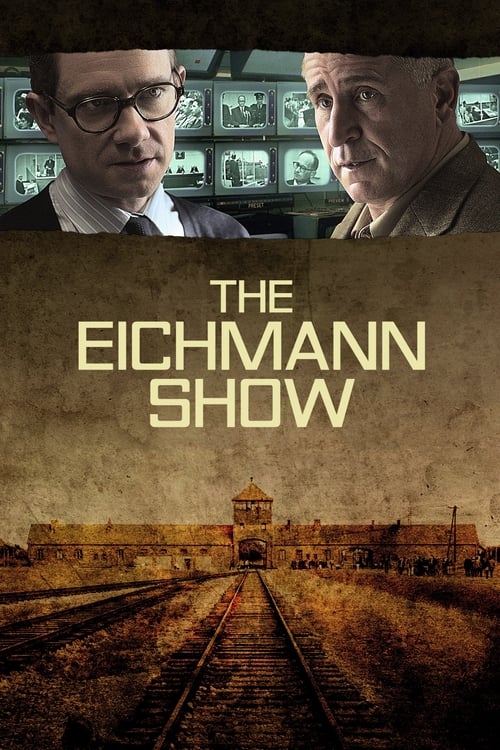
2015
No reviews yet. Be the first to share your thoughts on this movie!
Use the rating form above to leave a star rating and optional review.