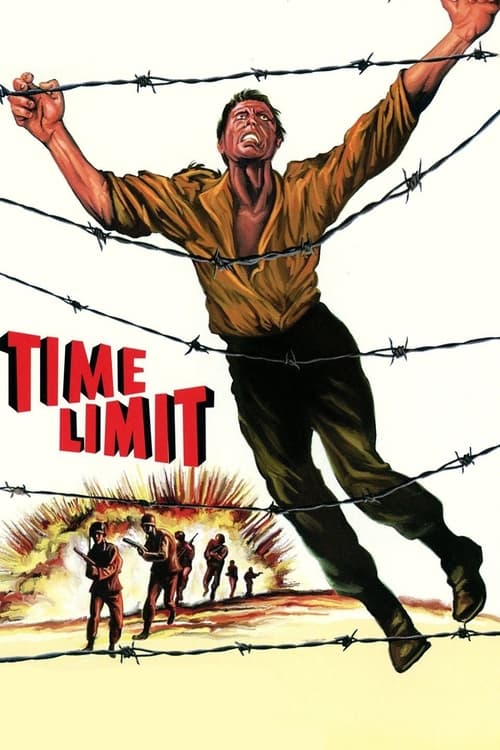
Time Limit
1957
No user ratings available yet
Diversity score: 2.3 out of 10

1972
Director
Kinji Fukasaku
Runtime
96 minutes
Average Rating
No ratings yetSynopsis
A war widow determined to clear the name of her disgraced husband, who was court-martialed for desertion and executed. Official records have been destroyed, and the ministry that distributes benefits continues to deny her a pension. Twenty-six years after the war, she seeks out four survivors of her husband's garrison. Each tells a dramatically different story about her husband's conduct, but she is determined to learn the truth.
Overall Score
Good
Category Breakdown
LGBTQ+ Representation
The film lacks explicit mention of LGBTQ+ characters or non-heteronormative identities. The narrative focus centers on the heteronormative structures of marriage and widowhood.
Gender Representation
A woman serves as the primary investigative agent, subverting traditional hierarchies. She demonstrates intellectual persistence and agency while challenging male-dominated military and governmental institutions.
Racial & Ethnic Diversity
The cast is ethnically homogeneous, reflecting a Japanese production of domestic military history. It avoids a Western-normative lens by centering a non-Western perspective on war trauma.
Religious & Cultural Diversity
The story critiques state institutions and promotes moral relativism through conflicting testimonies. It portrays the state as an oppressive, bureaucratic entity that denies individual justice.
Disability Representation
No specific details regarding physical or neurodivergent representation are available in the provided context.
Strengths
Areas for Improvement
AI Analysis
Kinji Fukasaku’s work deconstructs traditional heroism by focusing on institutional corruption and the fallibility of official history. The film replaces the 'heroic war' trope with a woman's struggle against a bureaucratic machine that has erased her husband's legacy. The narrative structure prioritizes a critique of state power. By presenting four conflicting accounts of a single event, the film suggests that truth is subjective and shaped by individual perspective rather than state-sanctioned records. While the film excels in gender agency and cultural critique, it remains ethnically homogeneous and lacks visible LGBTQ+ or disability representation.
No reviews yet. Be the first to share your thoughts on this movie!
Use the rating form above to leave a star rating and optional review.