
Salto
1965
No user ratings available yet
Representation score: 4.7 out of 10
Representation Score
Fair
1957
Director
Andrzej Munk
Runtime
81 minutes
Average Rating
No ratings yetNew Showbiz Analysis
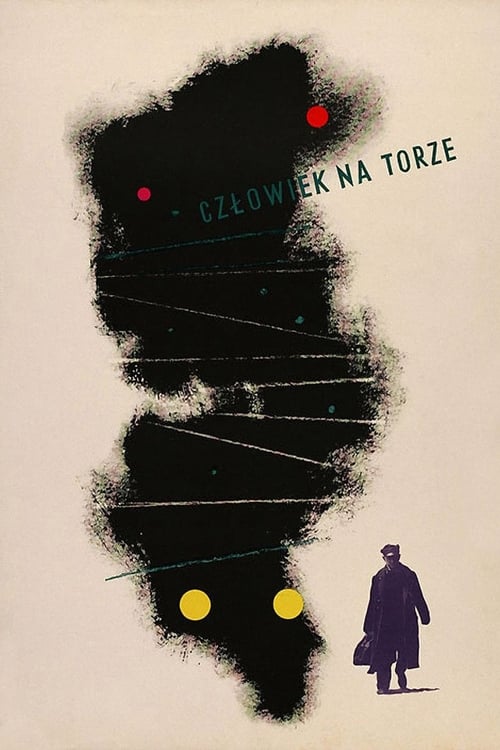
Man on the Tracks is a sophisticated exploration of systemic critique and the instability of truth. It excels at challenging absolute institutional certainty through a fragmented, multi-perspective narrative. However, the film's mid-century industrial setting limits its representation of racial, gender, and LGBTQ+ diversity. Its strength lies in its intellectual depth and social commentary rather than broad identity representation.
Category Breakdown
The film does not include explicit LGBTQ+ characters or non-straight relationships. The story revolves around a workplace investigation and a death inquiry within conventional social structures.
The story centers on a male veteran engineer and a professional inquiry panel. While the industrial setting suggests traditional masculine hierarchies, the multi-perspective structure may challenge these norms.
Set in 1950s Poland, the film focuses on class shifts and systemic changes within a specific national context. It does not emphasize multi-ethnic or diverse racial dynamics.
The film disrupts traditional cultural norms by questioning established authority and exploring moral relativism through conflicting testimonies.
There is no indication that physical or neurodivergent disabilities play a central role or serve as significant plot devices in this production.
Present on Screen
Limited or Absent
Official Synopsis
One night in 1950 a passenger train runs over a man, who turns out to be the veteran train engineer Władysław Orzechowski, know for his old ways and stern demeanor. As the inquiry panel tries to deduce why would a man like Orzechowski jump in front of a moving train several of the people involved in the case are interrogated, each telling their own version of the story. Can the panel arrive at the truth in a world where workers unite, inferior coal is a badge of honor, and the old order is suspect?
1965
1971

1957
1958
1950
1975
1982
1947
No reviews yet. Be the first to share your thoughts on this movie!
Use the rating form above to leave a star rating and optional review.