
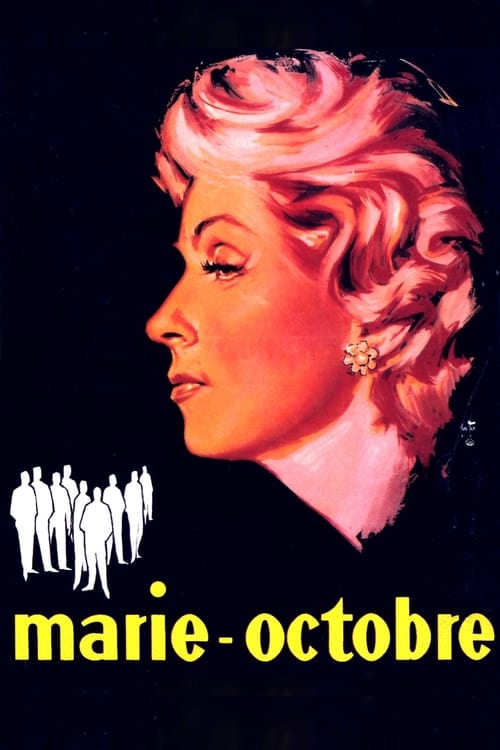
The Traitor
1957
No user ratings available yet
Representation score: 2.8 out of 10
Representation Score
Minimal
1959
Director
Julien Duvivier
Runtime
95 minutes
Average Rating
No ratings yetNew Showbiz Analysis
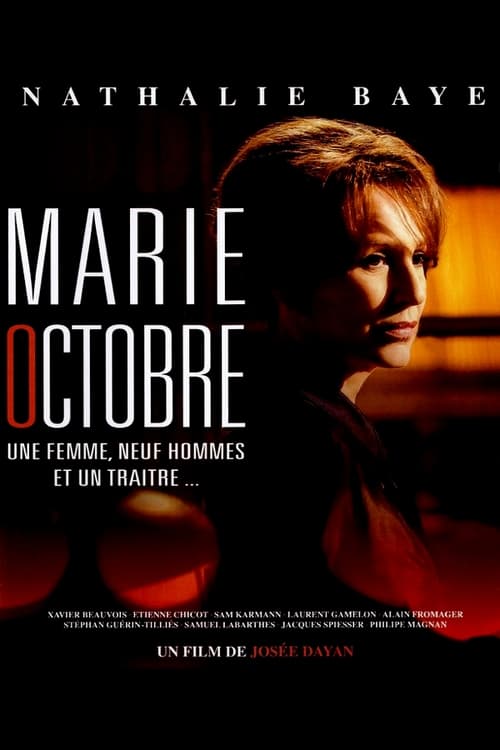
Marie-Octobre is a sophisticated psychological drama that focuses on character depth and moral ambiguity. The film excels at examining human frailty and the trauma of betrayal within a tight-knit group. However, the production reflects its era, resulting in a highly homogeneous cast. The narrative operates within the demographic constraints of 1950s French cinema, lacking diverse representation or the subversion of traditional social roles. Ultimately, while the film offers a nuanced look at ethics and social decay, it remains a narrow study of a specific, non-diverse group of individuals.
Category Breakdown
The film does not include any LGBTQ+ characters or explore non-straight relationships. Queer subtext is absent, and interpersonal tensions revolve around wartime guilt and social affiliations.
Marie-Hélène plays a significant role in driving the plot as the catalyst. However, the ensemble largely reflects mid-century social structures without challenging traditional gender hierarchies.
The cast is ethnically uniform, reflecting the 1959 French production and the specific historical context of the Resistance. No non-white characters appear in the core ensemble.
The story explores the psychological impact of the Occupation and subjective morality. It does not provide a systemic critique of Western institutions such as religion or the state.
No visible or invisible disabilities are central to the character arcs. Characters with disabilities are not used as plot devices.
Present on Screen
Limited or Absent
Official Synopsis
A group of ex-resistance fighters are brought together by Marie-Octobre, the code name of Marie-Helene Dumoulin. The former members of the network have carried on with their lives after the war, but this evening they are going to have to live again a fateful night – the night their leader was killed. He had been betrayed, his name given to the Germans. The search for the traitor puts each personality in the spotlight – and also that of the killed leader, Castille.
1957

1969
1988
1968
1957
1937
1943
2008
No reviews yet. Be the first to share your thoughts on this movie!
Use the rating form above to leave a star rating and optional review.