
Three Steps In The Dark
1953
No user ratings available yet
Representation score: 2.0 out of 10
Representation Score
Limited
1954
ApprovedDirector
Guy Hamilton
Runtime
80 minutes
Average Rating
No ratings yetNew Showbiz Analysis
Guy Hamilton’s adaptation of J.B. Priestley’s play is a study in social realism that prioritizes systemic critique over demographic breadth. It succeeds as a moral inquiry into class and capitalism, using a localized setting to challenge the era's individualist ethos. However, the film is limited by its historical and production context, resulting in a lack of racial, ethnic, and LGBTQ+ representation. The homogeneity of the cast reflects the specific social stratum being critiqued but offers little visibility for diverse identities. Ultimately, the film's strength lies in its progressive structural intent. It uses the Birling family to deconstruct the morality of the upper class, making it a powerful, if narrow, social commentary.
Category Breakdown
The film adheres to a strict assumption that everyone is straight or cisgender. There are no visible depictions of non-cisgender identities or same-sex relationships.
Sheila Birling’s journey challenges traditional gender roles by emphasizing moral empathy over social norms. While she defies submissive roles, the film remains rooted in Edwardian gender conventions.
The cast portrays a highly uniform British upper-middle-class environment. The narrative centers almost exclusively on the internal dynamics of a white, Anglo-Saxon social group.
The story provides a deep critique of Western capitalist institutions and individualist morality. It uses the Inspector to promote a framework of collective social responsibility.
There are no prominent depictions of physical or neurodivergent disabilities used as central plot drivers or character traits.
Present on Screen
Limited or Absent
Official Synopsis
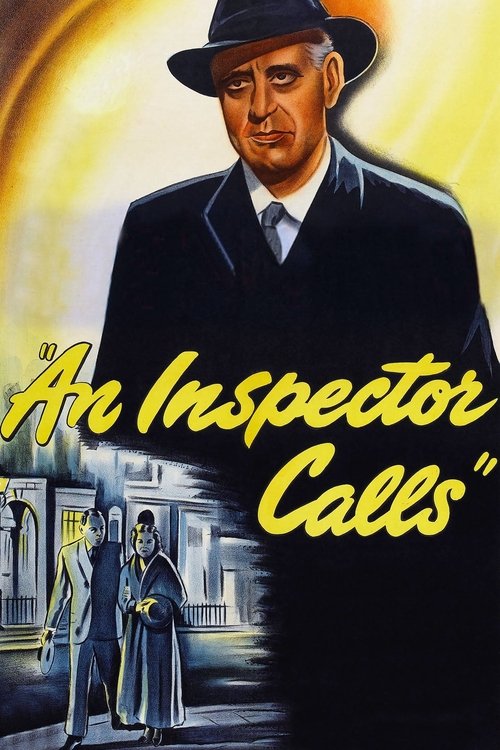
An upper-crust family dinner is interrupted by a police inspector who brings news that a girl known to everyone present has died in suspicious circumstances. It seems that any or all of them could have had a hand in her death. But who is the mysterious Inspector and what can he want of them?
1953
1947

2015

1944
1946

1946
1941
1940
No reviews yet. Be the first to share your thoughts on this movie!
Use the rating form above to leave a star rating and optional review.