
The Traitor
1957
No user ratings available yet
Diversity score: 3.4 out of 10

1948
NRDirector
Cy Endfield
Runtime
64 minutes
Average Rating
No ratings yetSynopsis
A framed reporter and the crooks on his trail scramble to locate a book containing the names of American war profiteers and traitors who collaborated with the Nazis during the war.
Overall Score
Limited
Category Breakdown
LGBTQ+ Representation
The film focuses on political espionage and wartime profiteering. There is no discernible presence of LGBTQ+ characters or explorations of non-heteronormative identities.
Gender Representation
Narrative agency is heavily concentrated in male protagonists and political figures. Women appear largely functional, serving as conduits for information rather than drivers of the investigation.
Racial & Ethnic Diversity
The cast and narrative focus appear largely homogeneous. The story centers on class and political corruption rather than racial or ethnic intersectionality.
Religious & Cultural Diversity
The film critiques institutional corruption by targeting wartime profiteers. This critique is rooted in traditional civic morality and the pursuit of political transparency.
Disability Representation
There is no significant depiction of physical or neurodivergent disabilities. A character in a hospital setting serves primarily as a device for plot exposition.
Strengths
Areas for Improvement
AI Analysis
The Argyle Secrets functions as a standard mid-century noir mystery. It relies on traditional hierarchies and conventional character archetypes typical of the 1940s. While the film examines the friction between individuals and institutional corruption, it does so through a narrow lens. The narrative lacks engagement with intersectional or progressive identity frameworks. It prioritizes a critique of individual greed and political scandal over a broader exploration of diverse social identities. Ultimately, the film is a period-typical exploration of political intrigue. It remains tethered to the heteronormative and homogeneous social structures of its era.
1957
1959

1943
1959
1952
1951
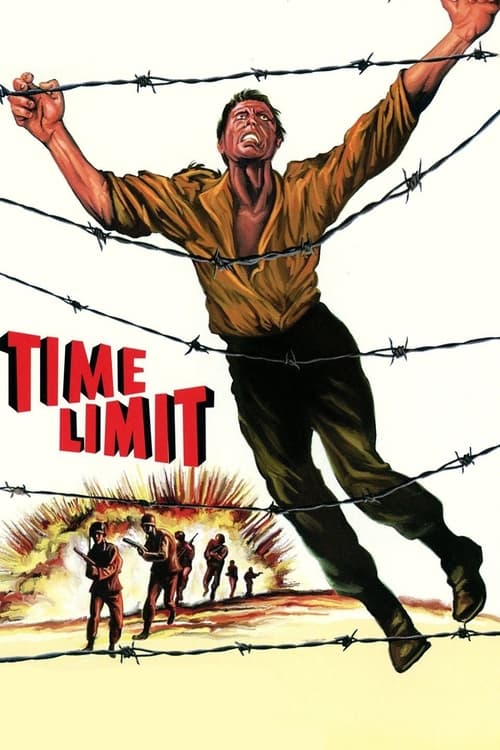
1957
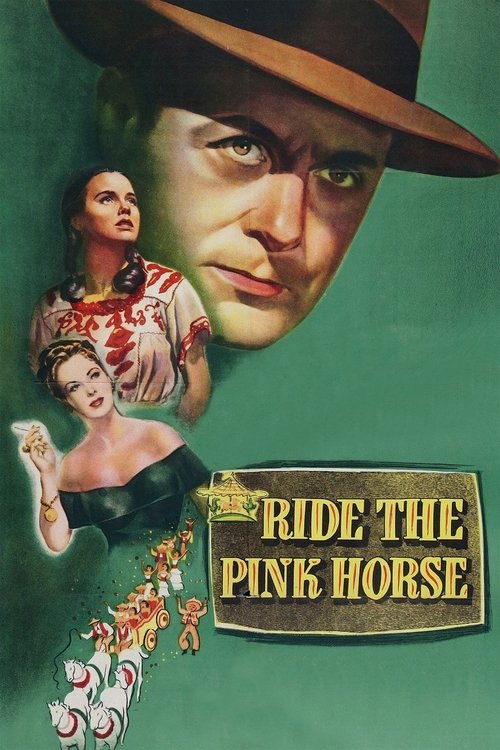
1947
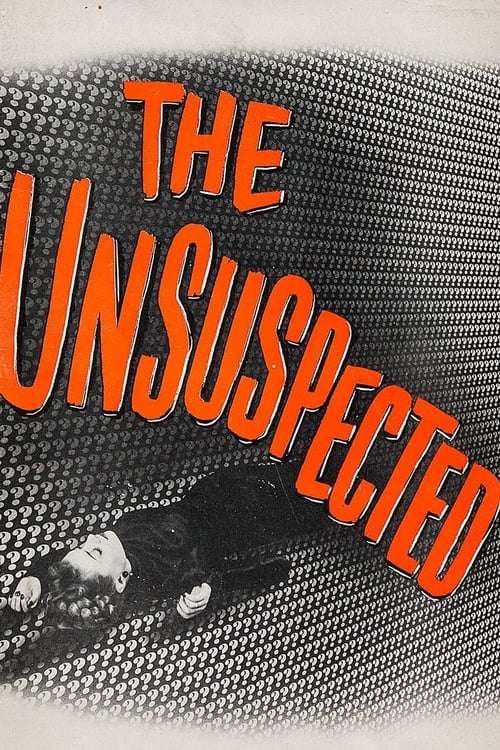
1947
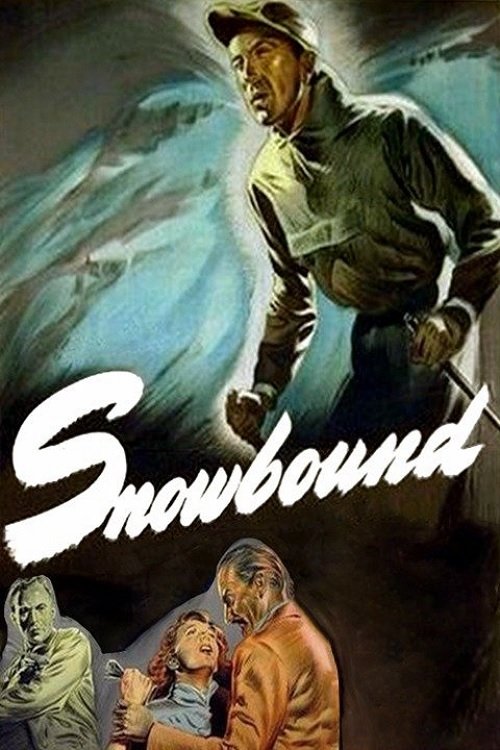
1948
1946
1937
No reviews yet. Be the first to share your thoughts on this movie!
Use the rating form above to leave a star rating and optional review.