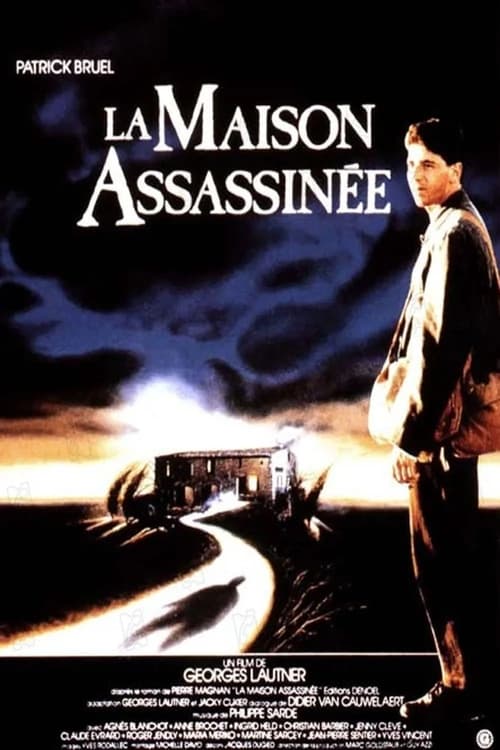
The Murdered House
1988
No user ratings available yet
Diversity score: 3.2 out of 10
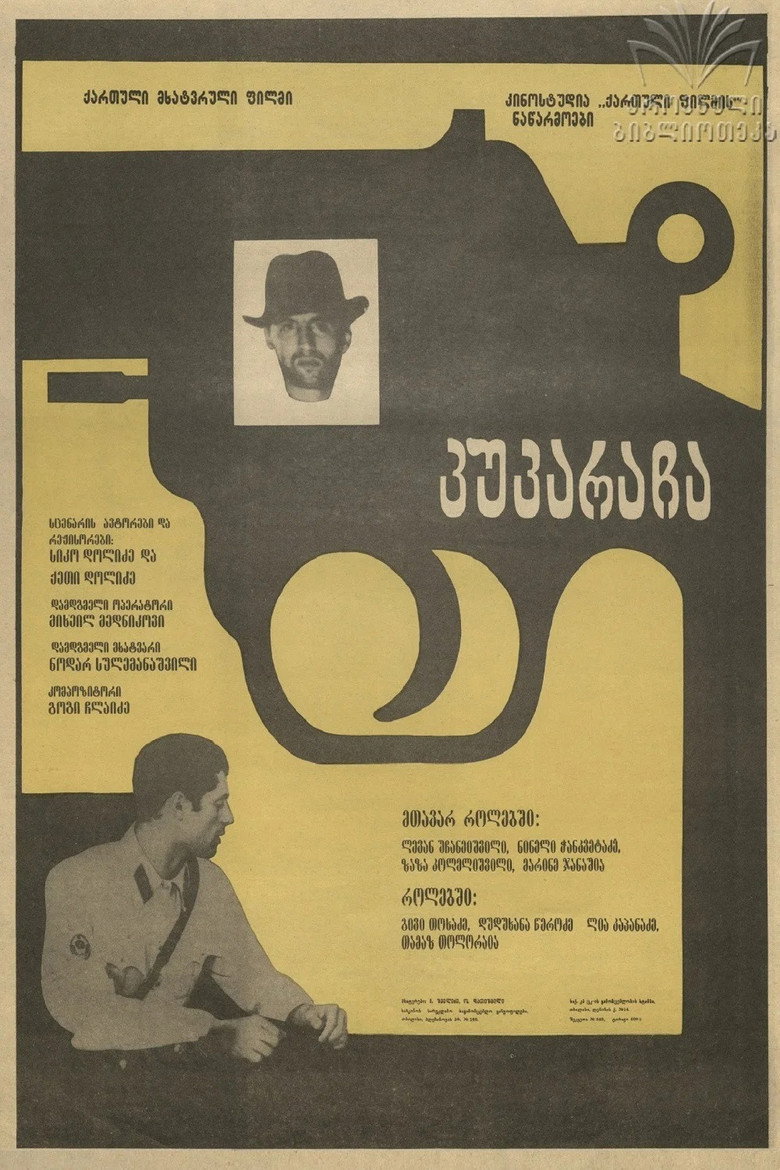
1982
Director
Siko Dolidze, Keti Dolidze
Runtime
91 minutes
Average Rating
No ratings yetSynopsis
A screen adaptation of the novel of the same name by the well-known Georgian writer Nodar Dumbadze. This story about love and loyalty, bravery and betrayal, began shortly before the Patriotic War of 1941-1945. Georgy Tumurashvili, a militia man, was affectionately called “Cucaracha”, by both the kids and the adults. He was a conscientious divisional inspector investigating various incidents, calling to order local hoodlums and settling family arguments. Once he helped out Inga who fell prey to Murtalo, a bandit and murderer. The young people fell in love with each other. But Murtalo decided to take revenge on Kukaracha…
Overall Score
Fair
Category Breakdown
LGBTQ+ Representation
The film focuses on a central romantic connection between Georgy and Inga. There is no evidence of non-cisnormative identities or queer narratives within the story.
Gender Representation
Inga is positioned as a figure needing protection from a predatory antagonist, reflecting traditional roles. Georgy acts as a stabilizing civic leader who mediates community disputes.
Racial & Ethnic Diversity
As a Georgian production, the film centers on a non-Western, Caucasian ethnic identity. It provides a departure from Western-centric perspectives by exploring regional social structures.
Religious & Cultural Diversity
Set before the Patriotic War, the story emphasizes national identity and communal loyalty. It prioritizes traditional social cohesion and moral duty over the deconstruction of institutions.
Disability Representation
The narrative contains no mention of characters navigating physical, neurodivergent, or mental health disabilities.
Strengths
Areas for Improvement
AI Analysis
Kukaracha functions as a traditional humanistic drama rooted in Georgian literature. It offers a valuable non-Western perspective by centering a regional cultural narrative during a pivotal historical era. However, the film relies on conventional storytelling tropes. The plot architecture, centered on romantic protection and the maintenance of civic order, follows established social hierarchies rather than disrupting them. While the film provides ethnic diversity through its Caucasian setting, it remains limited by traditional gender dynamics and a lack of representation for queer identities or disabilities.
1988

1957
1959
1937
No reviews yet. Be the first to share your thoughts on this movie!
Use the rating form above to leave a star rating and optional review.