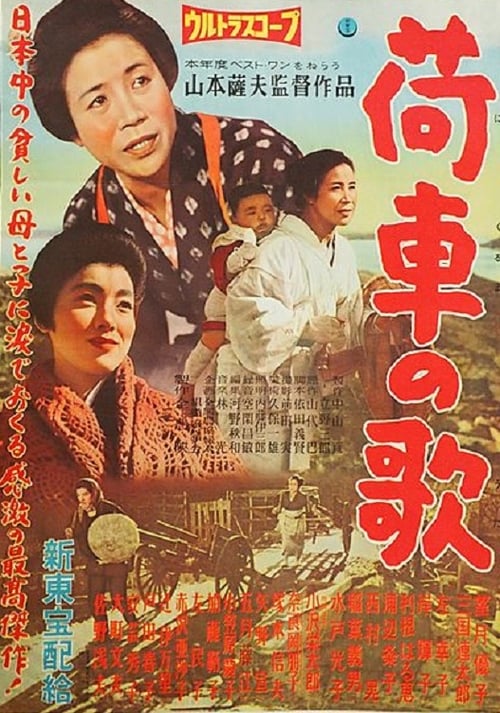
The Song of the Cart
1959
No user ratings available yet
Diversity score: 5.8 out of 10

1944
NRDirector
Jack Conway, Harold S. Bucquet
Runtime
145 minutes
Average Rating
No ratings yetSynopsis
The lives of a small Chinese village are turned Upside down when the Japanese invade it. An heroic young Chinese woman leads her fellow villagers in an uprising against Japanese Invaders.
Overall Score
Fair
Category Breakdown
LGBTQ+ Representation
The film focuses on wartime survival and traditional familial bonds. There are no depictions of non-cisnormative identities or same-sex intimacy.
Gender Representation
The story disrupts 1940s hierarchies by centering a female protagonist who evolves from a passive observer into a decisive leader. It emphasizes female agency and intellectual fortitude during a military struggle.
Racial & Ethnic Diversity
The film includes a Chinese cast to portray local nationals within a non-Western setting. While filtered through a Western protagonist, it avoids the total erasure of local agency.
Religious & Cultural Diversity
The narrative emphasizes patriotism and national resistance against Japanese occupation. It reinforces Western-aligned values of sovereignty rather than offering radical systemic critiques.
Disability Representation
No visible or invisible disabilities serve as central character arcs or significant narrative drivers in this production.
Strengths
Areas for Improvement
AI Analysis
Dragon Seed serves as a transitional wartime drama that moves away from the era's standard homogeneity. Its primary achievement is the subversion of gendered passivity, transforming a female lead into a political and military figure. While the film engages with a non-Western struggle and includes local actors, the perspective remains anchored in Western-aligned values. It provides a more nuanced look at national sovereignty than many contemporary colonial-era films, yet it stays within traditional Hollywood structures. Ultimately, the film lacks representation for LGBTQ+ identities and disabilities, focusing instead on the immediate pressures of occupation and traditional heroism.
1959
1948
1947
1996
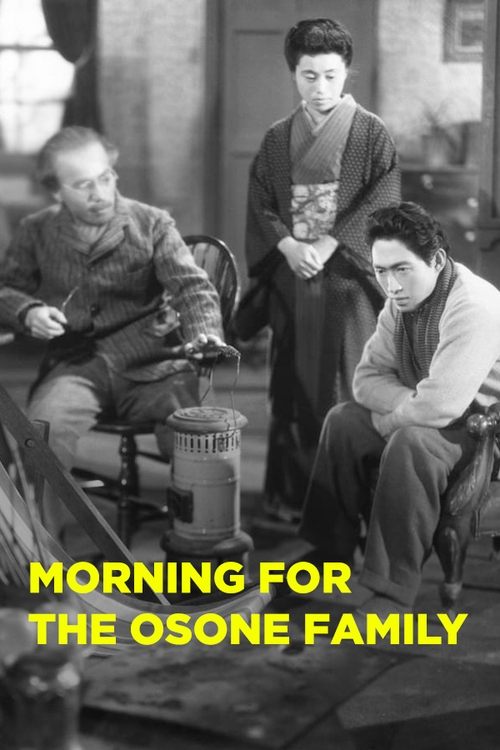
1946
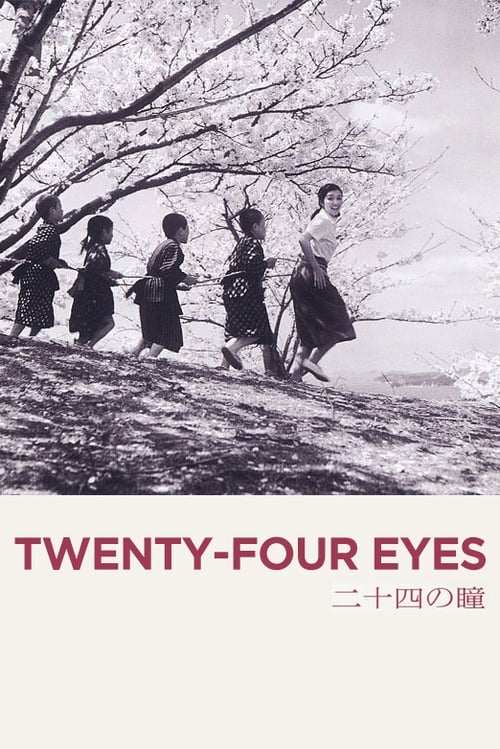
1954

1962
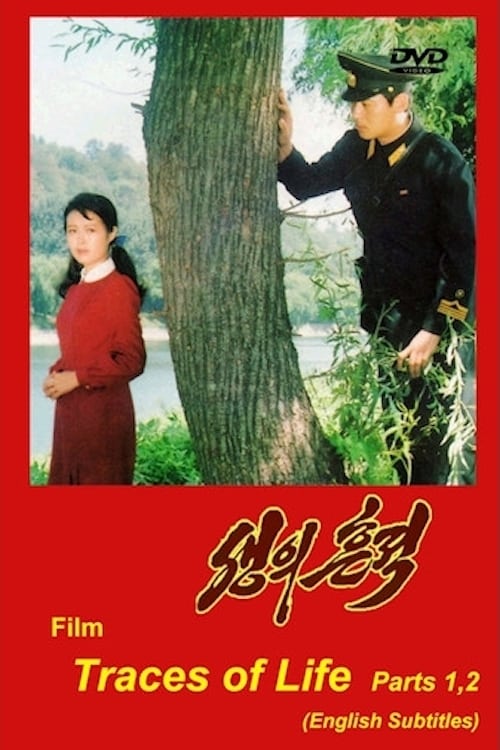
1989

1973
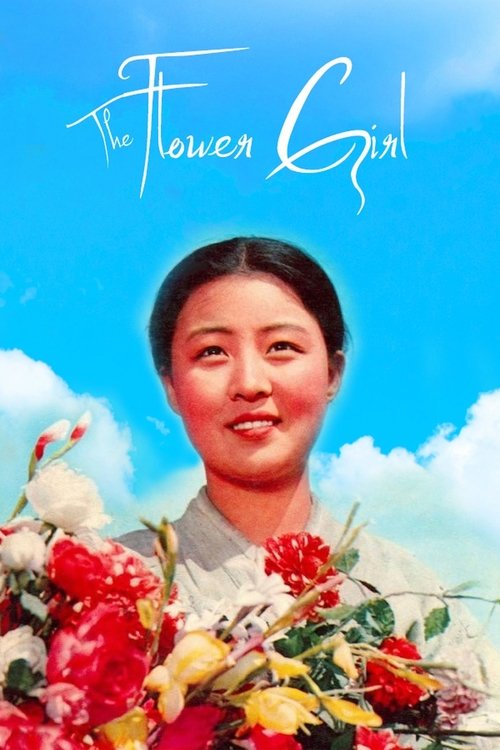
1972
1948
2011
No reviews yet. Be the first to share your thoughts on this movie!
Use the rating form above to leave a star rating and optional review.