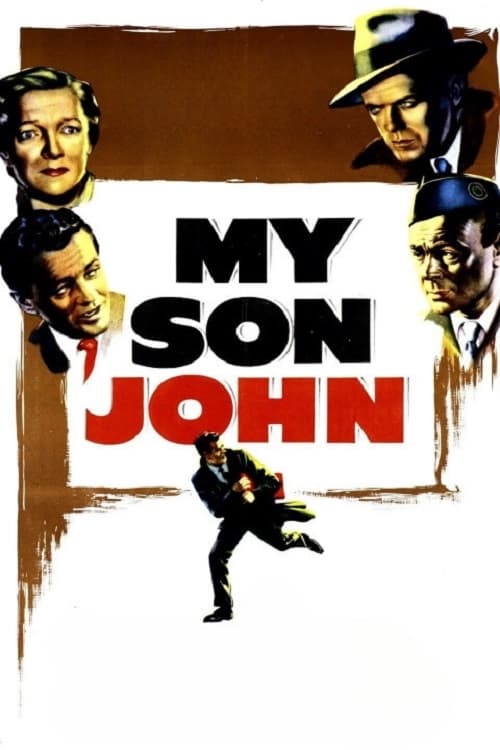
My Son John
1952
No user ratings available yet
Diversity score: 1.1 out of 10
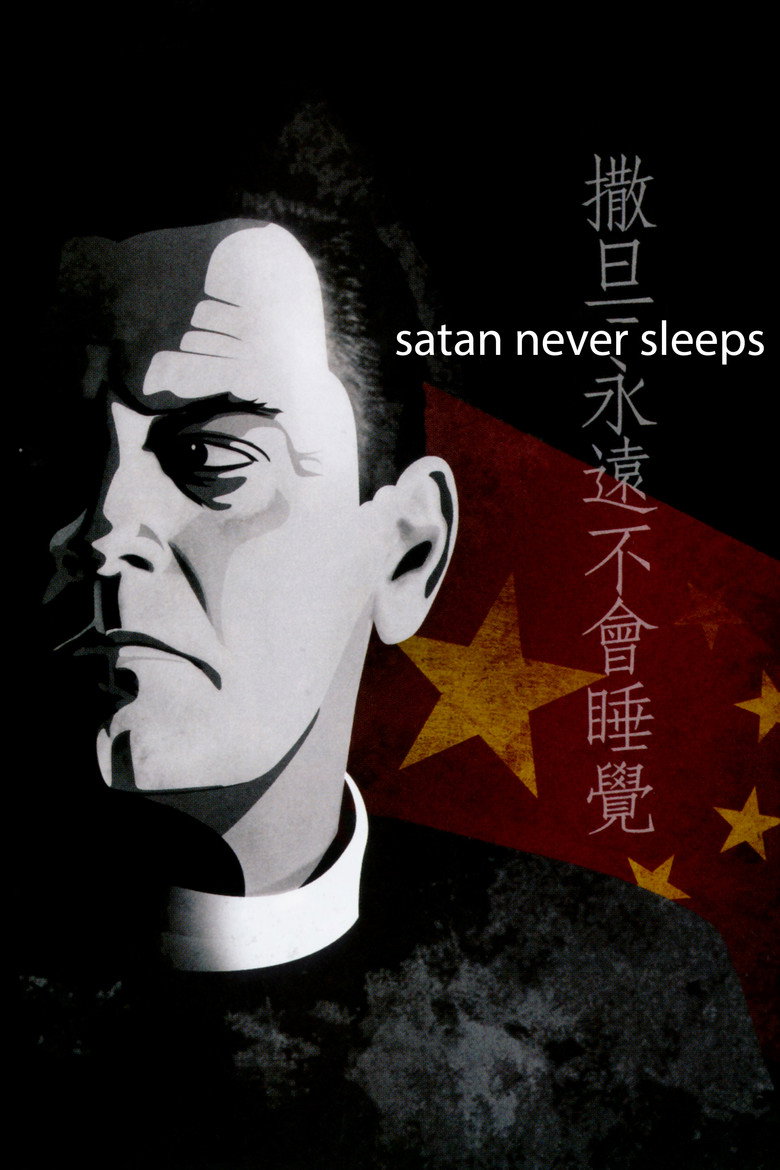
1962
NRDirector
Leo McCarey
Runtime
125 minutes
Average Rating
No ratings yetSynopsis
A priest arrives at a mission-post in China accompanied by a young native girl who has joined him along the way. His job is to relieve the existing priest, who is now too old and weak to continue with the upkeep of the church. However, Communist soldiers arrive at the mission and seize it as a command post. Their leader rapes the native girl and impregnates her, only later to realize that Communism is no good for him. In the end, the foursome flee to the border, but are pursued by Communist forces along the way.
Overall Score
Limited
Category Breakdown
LGBTQ+ Representation
The film operates within a traditional heteronormative framework. There are no LGBTQ+ characters or non-cisnormative identities present in the narrative.
Gender Representation
The story centers on male figures, including a priest and a military leader. The female character lacks agency, as her role is defined by sexual violence and victimization.
Racial & Ethnic Diversity
While set in China with a native female character, the film follows colonial tropes. The Western missionary serves as the primary moral compass for the foreign landscape.
Religious & Cultural Diversity
The plot pits Western religious institutions against Communist political structures. This framing reinforces mid-century Western values by casting the church as a site of stability.
Disability Representation
There is no documented evidence regarding the portrayal of physical or neurodivergent disabilities in this film.
Strengths
Areas for Improvement
AI Analysis
Satan Never Sleeps is a mid-century drama that reinforces established cultural and moral hierarchies. The narrative relies on a conflict between Western religious values and Communist political structures to drive its plot. The film's representation of women and local populations follows conventional storytelling patterns. Female characters are defined by victimization rather than agency, and the intersectional dynamics between the missionary and the local setting mirror colonial tropes. Ultimately, the film functions as a traditionalist piece that aligns with the era's perspectives rather than challenging them.
1952

1955
1944

1957
1960

1953

1957

1963

1944

1949
1996

1994
No reviews yet. Be the first to share your thoughts on this movie!
Use the rating form above to leave a star rating and optional review.