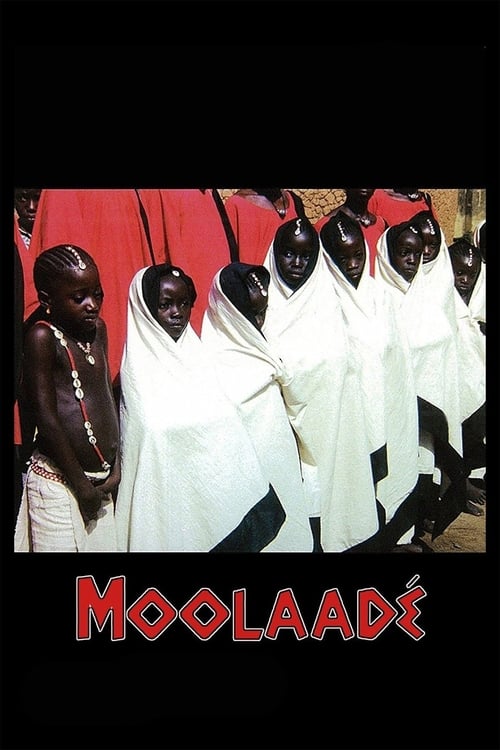
Moolaadé
2004
No user ratings available yet
Representation score: 5.0 out of 10

Representation Score
Fair
1973
Director
Ousmane Sembène
Runtime
101 minutes
Average Rating
No ratings yetNew Showbiz Analysis
Ousmane Sembène’s *Emitaï* is a powerful critique of colonialism that centers the experiences of the Diola people. By focusing on the village community, the film avoids Western-centric narratives and offers a deep look at the socio-political struggles faced by the Diola. The film's main strength lies in its portrayal of village women as leaders in social mobilization and resistance. It also avoids the white savior cliché, providing a genuine perspective on the Diola experience. While the film excels in racial and cultural authenticity, it does not include representation of LGBTQ+ identities or specific disability arcs.
Category Breakdown
The film highlights the communal and family structures of a Diola-speaking village. There is no depiction of non-traditional gender identities or same-sex relationships.
The story challenges traditional gender roles by emphasizing the role of village women. They organize and lead the resistance against French administrative control.
The film features an entirely Black cast, avoiding the white savior cliché. It tells the story from the perspective of the Diola people.
The film presents a strong anti-colonial stance, depicting French administration negatively. It emphasizes the subjective morality and dignity of the village community.
The film examines the physical impact of forced labor and agrarian life. However, it does not include characters whose stories revolve around visible or invisible disabilities.
Present on Screen
Limited or Absent
Official Synopsis
As World War II rages in Europe, a conflict arises between the French and the Diola-speaking tribe of Africa, prompting the village women to organize their men to sit beneath a tree to pray.
2004
1988

1978

1975

1986

1973

1989
1993
No reviews yet. Be the first to share your thoughts on this movie!
Use the rating form above to leave a star rating and optional review.