
Stromboli
1950
No user ratings available yet
Diversity score: 5.9 out of 10
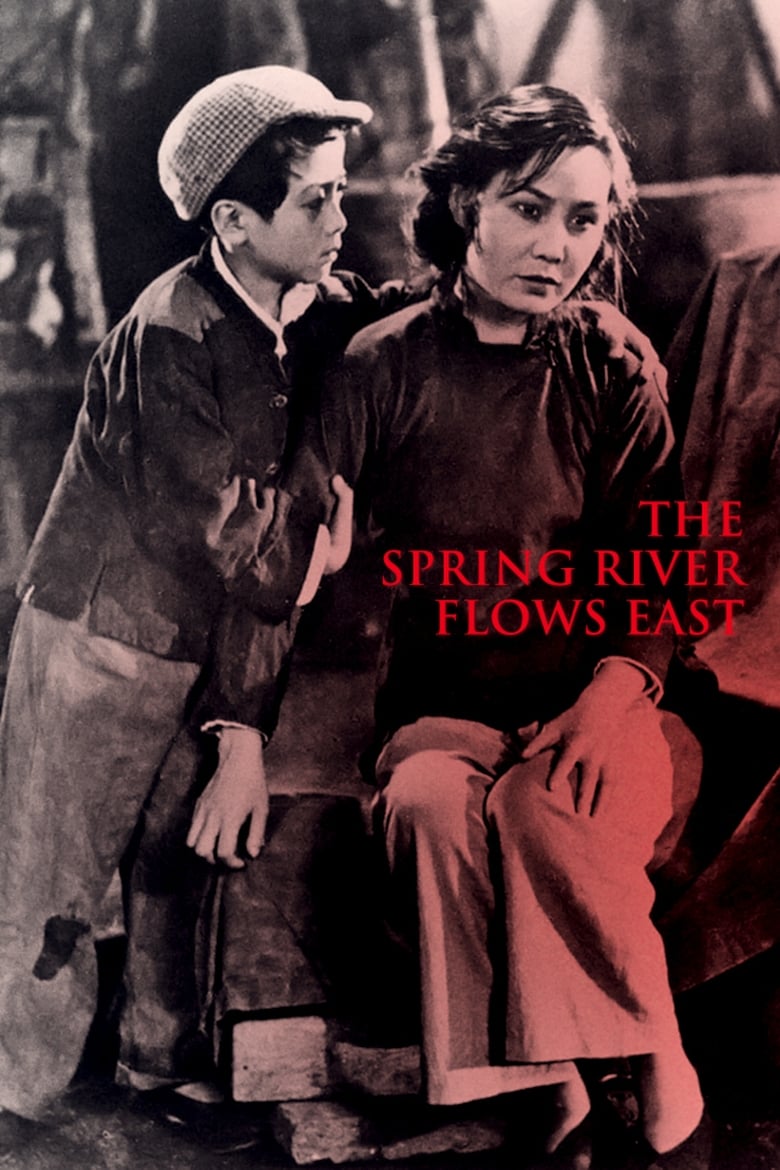
1947
Director
Chusheng Cai, Zheng Jun-li
Runtime
192 minutes
Average Rating
No ratings yetSynopsis
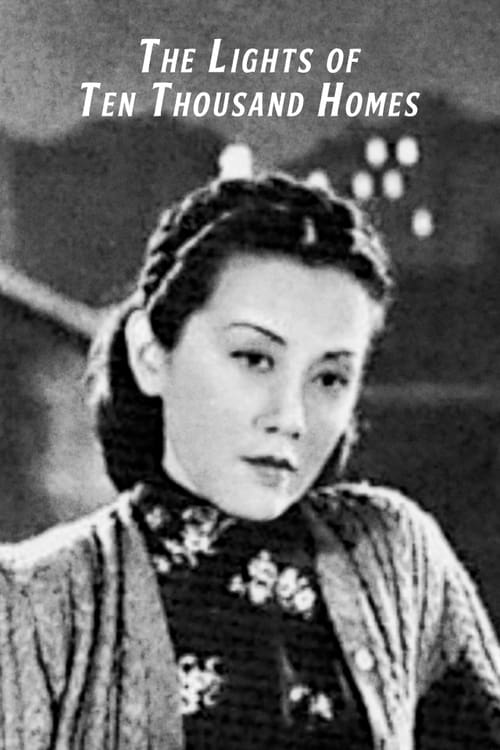
1930's China. The village of a poor family is taken over by the occupying Japanese army. One son, Zhongliang, leaves his wife and young son to join a medic group for the Chinese Army. The other son, Zhangmin goes into hiding to protect his family. The focus shifts back and forth from the brothers' parents and Zhongliang's wife and son to Zhongliang's newfound life of luxury in a town not too far away. The plight of Zhongliang's mother, his wife, Sufan and her son, Kongeson is contrasted with Zhongliang's rise in a flourishing company.
Overall Score
Fair
Category Breakdown
LGBTQ+ Representation
The film adheres to the social norms of 1930s wartime China. It focuses entirely on heteronormative family structures and lacks any depiction of non-cisnormative identities.
Gender Representation
The narrative centers on the endurance of women amidst patriarchal systems. It subverts traditional tropes by highlighting how systemic failures turn female virtue into a heavy burden.
Racial & Ethnic Diversity
The cast is predominantly Han Chinese, providing an authentic look at the populace. It serves as a reclamation of identity against the backdrop of Japanese occupation.
Religious & Cultural Diversity
The film offers a scathing indictment of socioeconomic inequality and imperialist occupation. It critiques how systemic corruption allows exploiters to flourish while the working class suffers.
Disability Representation
There are no prominent depictions of visible or invisible disabilities. No disability-driven character arcs are present in the narrative.
Strengths
Areas for Improvement
AI Analysis
The film is a landmark of social realism that prioritizes the domestic struggle over military heroism. It effectively uses a dual-perspective approach to contrast the suffering of the working class with the opportunistic rise of those exploiting wartime chaos. While the film excels in its cultural critique of imperialism and class struggle, it remains limited by its specific historical context. The focus on traditional family units means it lacks representation of LGBTQ+ identities or disability-driven narratives. Ultimately, the work succeeds as a powerful examination of identity and systemic failure. It shifts the cinematic lens from male-driven glory to the lived reality of female survival and social instability.
1950

2005
1953
1991

1958
1989
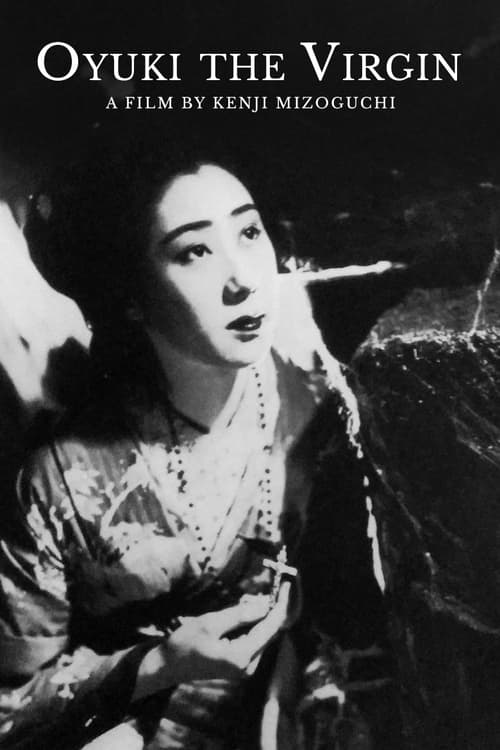
1935
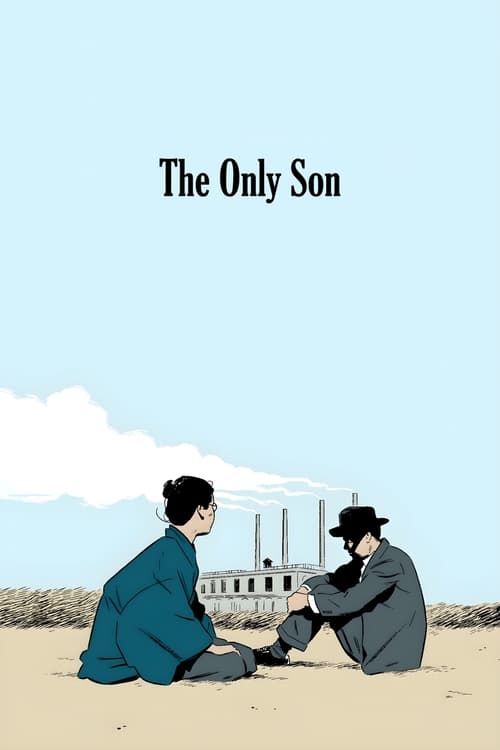
1936

1934
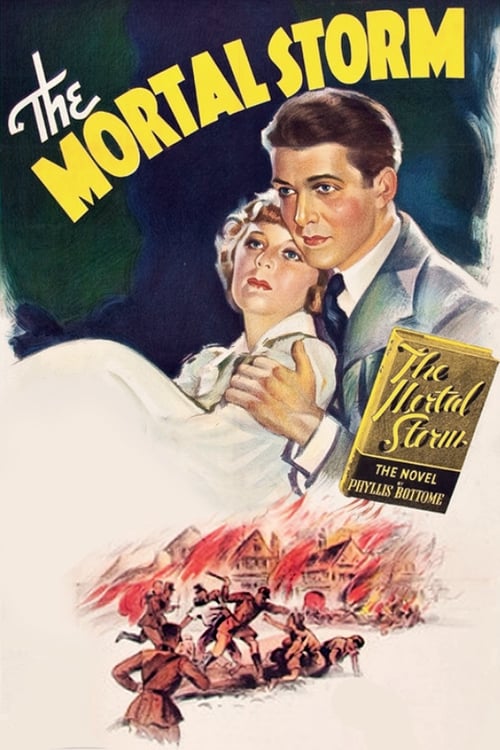
1940
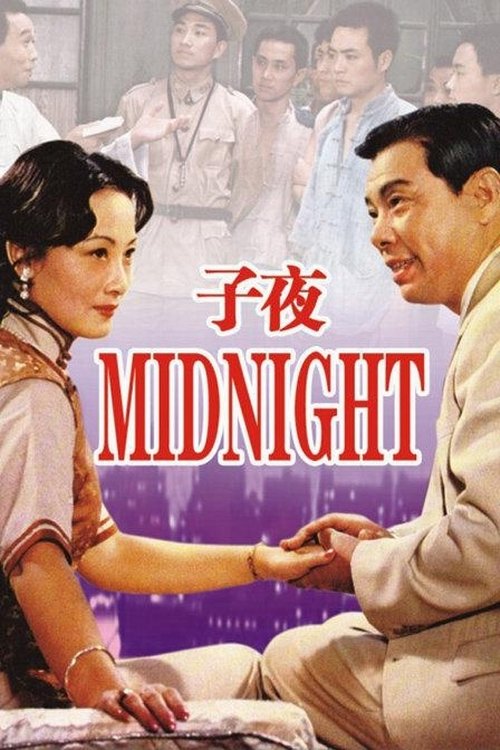
1981
1948
No reviews yet. Be the first to share your thoughts on this movie!
Use the rating form above to leave a star rating and optional review.