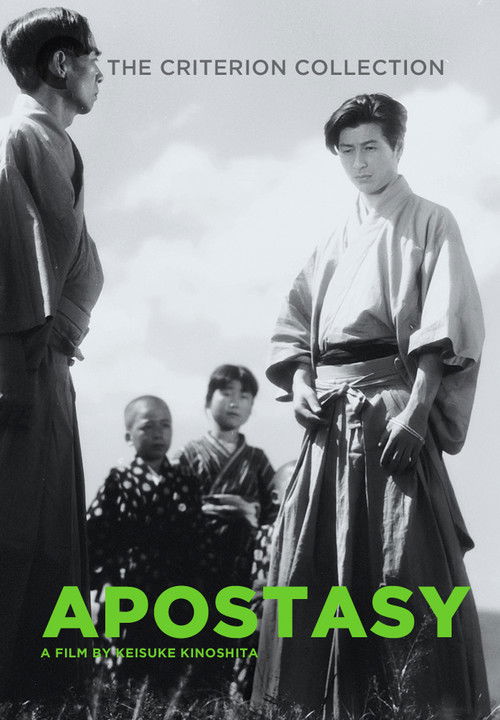
Apostasy
1948
No user ratings available yet
Diversity score: 4.5 out of 10
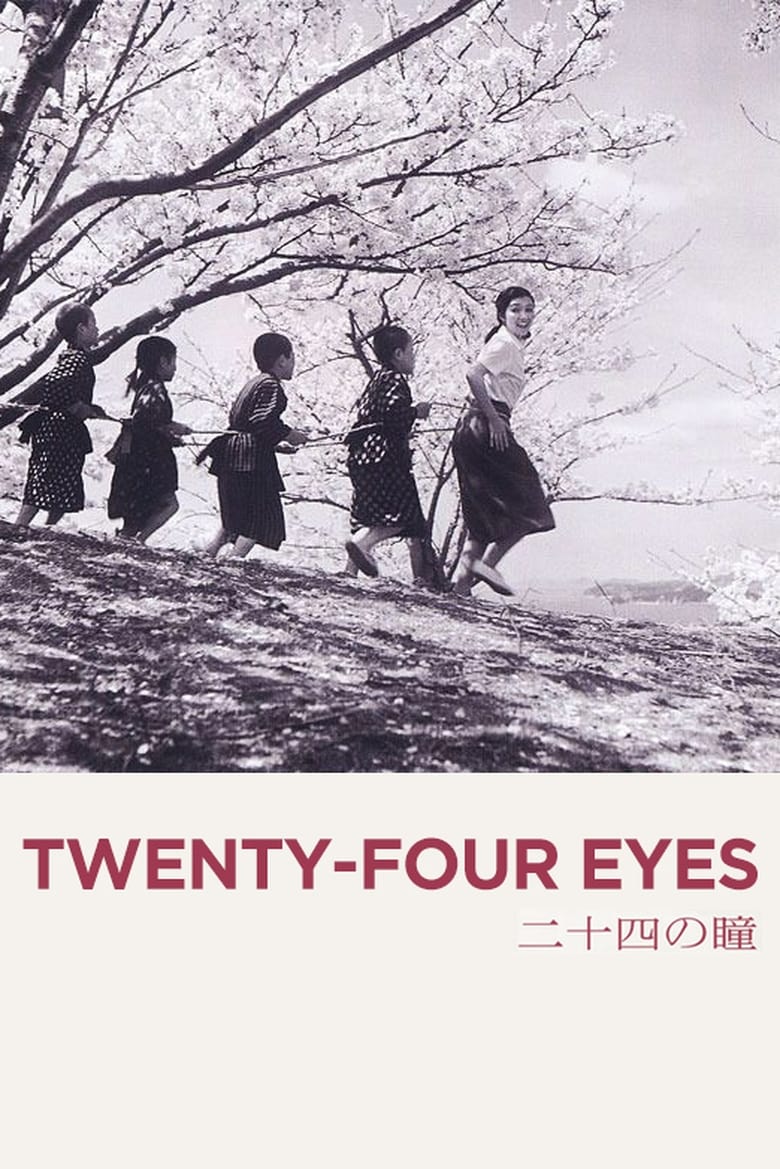
1954
Director
Keisuke Kinoshita
Runtime
156 minutes
Average Rating
No ratings yetSynopsis
Schoolteacher Hisako Oishi struggles to imbue her students with a positive view of the world despite the fact that war is looming.
Overall Score
Fair
Category Breakdown
LGBTQ+ Representation
The film lacks LGBTQ+ characters or non-heteronormative identities. The narrative focuses strictly on communal and pedagogical bonds within a rural village setting.
Gender Representation
The central schoolteacher provides meaningful representation through her intellectual authority and agency. She serves as the plot's moral compass, avoiding tropes of submissive femininity.
Racial & Ethnic Diversity
The cast is intentionally homogeneous to reflect the demographic reality of a rural Japanese village. The story focuses on the socioeconomic struggles of the local peasantry.
Religious & Cultural Diversity
The film offers a humanist critique of institutional power by highlighting how nationalism destroys personal connections. It prioritizes small-scale human experiences over state-driven wartime propaganda.
Disability Representation
There is no significant evidence of characters with visible or invisible disabilities. No such characters are utilized as plot devices or subjects of mockery.
Strengths
Areas for Improvement
AI Analysis
Twenty-Four Eyes is a humanist masterpiece that finds its strength in character agency rather than modern identity markers. By centering a professional female teacher, the film subverts the era's expectations of female passivity and provides a strong emotional anchor. While the film lacks contemporary LGBTQ+ or racial diversity, it excels in its cultural critique. It deconstructs wartime romanticism by showing the corrosive impact of state authority on a small community. The homogeneous cast reflects the historical setting, but the film's true depth lies in its focus on the individual's vulnerability against systemic pressures.
1948
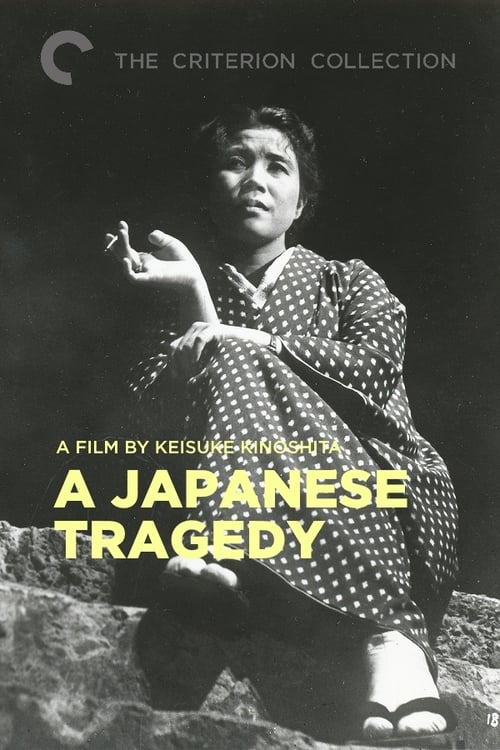
1953
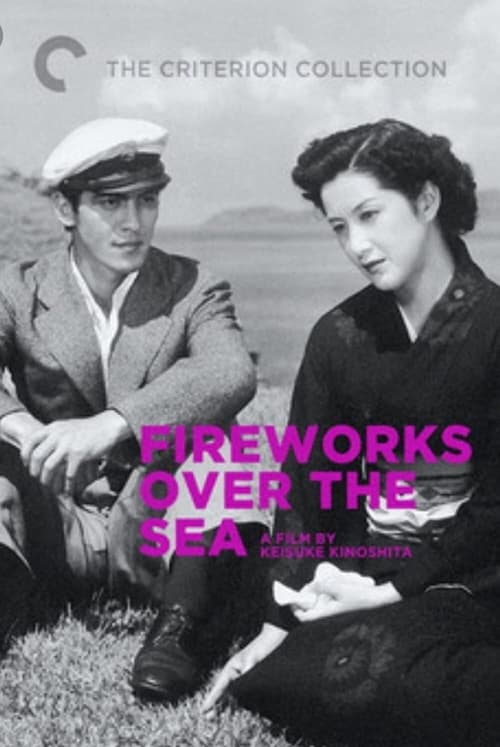
1951
1946

1948

1956
1983

1961
1964

1999

2020

1947
No reviews yet. Be the first to share your thoughts on this movie!
Use the rating form above to leave a star rating and optional review.