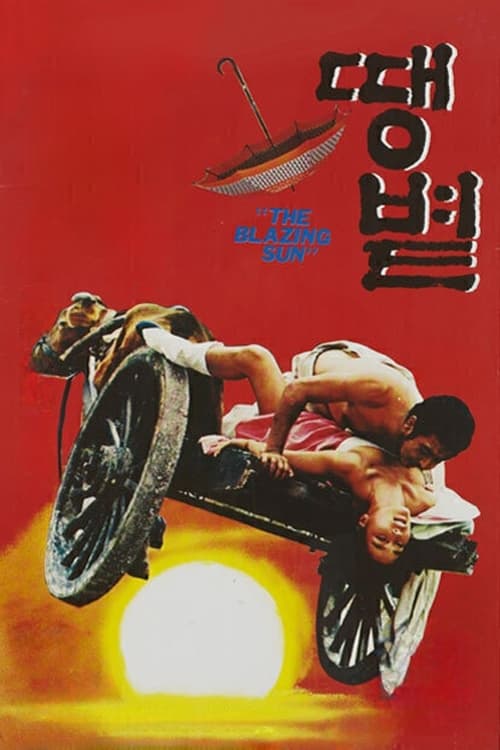
The Blazing Sun
1985
No user ratings available yet
Representation score: 4.5 out of 10
Representation Score
Fair
1972
TV-PGDirector
Hak Pak, Choe Ik-gyu
Runtime
127 minutes
Average Rating
No ratings yetNew Showbiz Analysis
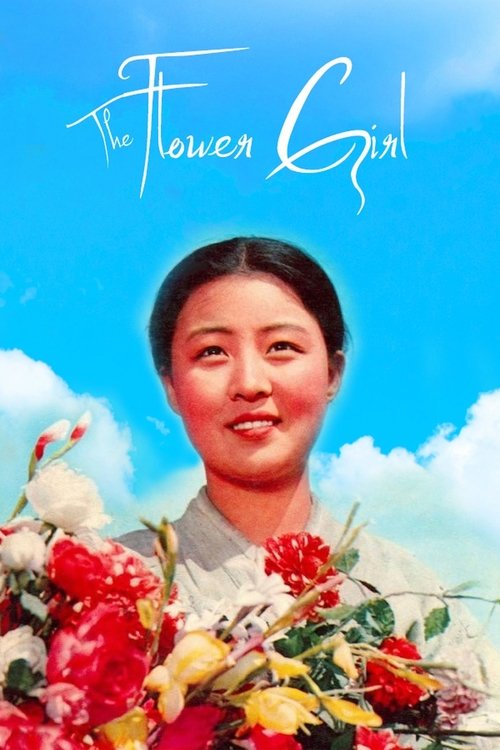
The Flower Girl is a period drama that centers on the intersection of poverty, disability, and colonial oppression. It finds strength in its depiction of a female protagonist navigating systemic hardship and ethnic exclusion during the Japanese occupation. While the film lacks modern markers of diversity like LGBTQ+ visibility, it offers a meaningful look at gendered ability to act and resistance. The narrative uses the family's struggle to critique the impact of imperialist forces on traditional social structures. Ultimately, the film's diversity is rooted in its portrayal of ethnic identity and the resilience needed to survive under an oppressive regime.
Category Breakdown
The film does not include any characters who identify as LGBTQ+ or have non-cisgender identities. The story revolves around traditional family structures under extreme conditions.
Koppun serves as the central figure in her family, acting as the main economic provider. She shows a significant role in driving the story and resilience while managing her family's survival in the absence of male figures.
The story critiques colonial power dynamics by showing a Korean family under Japanese imperial occupation. The protagonist's struggles are closely tied to her ethnic identity and the nation's loss.
The film examines the breakdown of traditional social stability due to external imperial forces. It depicts a family unit fighting against an oppressive, occupying institution.
Disability is a key part of the family's socioeconomic struggle through the character of the blind sister. This highlights the real-life experiences of physical impairment within underrepresented communities.
Present on Screen
Limited or Absent
Official Synopsis
The country is occupied by the Japanese imperialists. Koppun is selling flowers at the market to get some money to buy medicine for her sick mother. Her brother is imprisoned, her father dead and her sister blind.
1985

1956
1941
1936
1994
2015
1946
1971
No reviews yet. Be the first to share your thoughts on this movie!
Use the rating form above to leave a star rating and optional review.