Strawman
1987
No user ratings available yet
Representation score: 3.4 out of 10
Representation Score
Fair
1996
Director
Wang Tung
Runtime
168 minutes
Average Rating
No ratings yetNew Showbiz Analysis
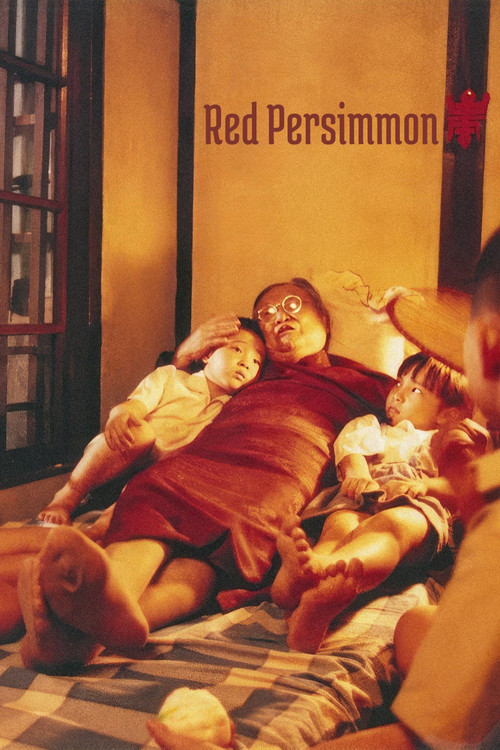
Red Persimmon is a historical drama that prioritizes geopolitical shifts and familial endurance. It offers a localized, nuanced view of mid-century Asian history, effectively challenging Western-centric cinematic perspectives through its cultural specificity. However, the film adheres to traditional narrative structures. The division of labor between male political actors and female domestic figures suggests a conventional approach to gender roles rather than a challenge to them. Ultimately, the work functions as a study of historical realism. It focuses on the human cost of systemic political change rather than engaging with modern identity-driven frameworks.
Category Breakdown
The narrative focuses on geopolitical and familial tensions during the 1949 transition. There are no LGBTQ+ characters or non-straight relationships in the story.
The story contrasts the patriarchal political sphere with the domestic realm. Men lead the political plot, while the grandmother provides emotional stability.
The film centers on a non-Western, East Asian perspective. It highlights the experiences of refugees and military personnel in Taiwan during the Chinese Civil War.
Themes of displacement and institutional loyalty are central to the film. It emphasizes communal resilience and traditional family structures over individualistic Western ideals.
There is no mention of characters with visible or invisible disabilities within the narrative.
Present on Screen
Limited or Absent
Official Synopsis
In 1949, the Communists take over mainland. The refugees and the military arrive in the Keelung Harbor in Taiwan. A father holds secret meetings with other generals in attempt to recover the lost land, his kids still play games with their grandma who enjoys the harmony in hardship.
1987
1989

2014

1985
1978
1995

1995

2009
No reviews yet. Be the first to share your thoughts on this movie!
Use the rating form above to leave a star rating and optional review.