
Ginza Cosmetics
1951
No user ratings available yet
Representation score: 5.2 out of 10
Representation Score
Limited
1959
Director
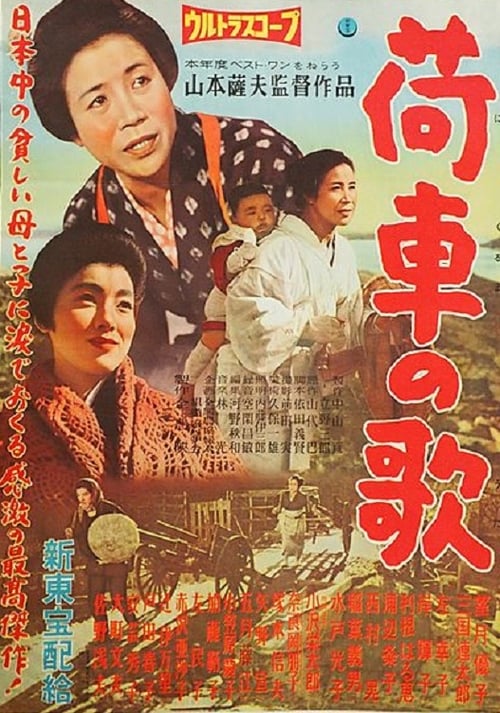
Satsuo Yamamoto
Runtime
145 minutes
Average Rating
No ratings yetNew Showbiz Analysis
Satsuo Yamamoto’s drama offers a gritty look at social realism through the lens of a resilient female protagonist. By centering the narrative on her endurance in a underrepresented post-war community, the film challenges traditional passivity often found in historical dramas. The film excels at portraying individual ability to act against systemic socioeconomic pressures. It provides a meaningful study of how poverty and environmental constraints shape human character and survival. However, the work lacks modern multi-layered markers. The homogeneous ethnic landscape and absence of LGBTQ+ representation reflect the specific historical and cultural context of 1959 Japan.
Category Breakdown
The film does not include any characters with non-straight sexual orientations or non-cisgender gender identities. Given its 1959 setting and focus on rural survival, there are no queer narratives present.
The story revolves around a woman's determination to survive in a harsh environment. This positions the female protagonist as the main driver of her own life story.
As a Japanese production set in a rural village, the film portrays a homogeneous ethnic population. It focuses on a localized study of class and identity.
The focus on a poor mountain village suggests a critique of post-war economic devastation. The narrative explores the necessity of survival within traditional structures.
There is no specific evidence regarding the portrayal of neurodivergence or explicit disability. The physical toll of mountain life is not explicitly detailed.
Present on Screen
Limited or Absent
Official Synopsis
A lifetime story of a woman who stubbornly lives in a poor mountain village in post-war Japan.
1951

1960
1952

1952

1977
1954

1939
1959
No reviews yet. Be the first to share your thoughts on this movie!
Use the rating form above to leave a star rating and optional review.