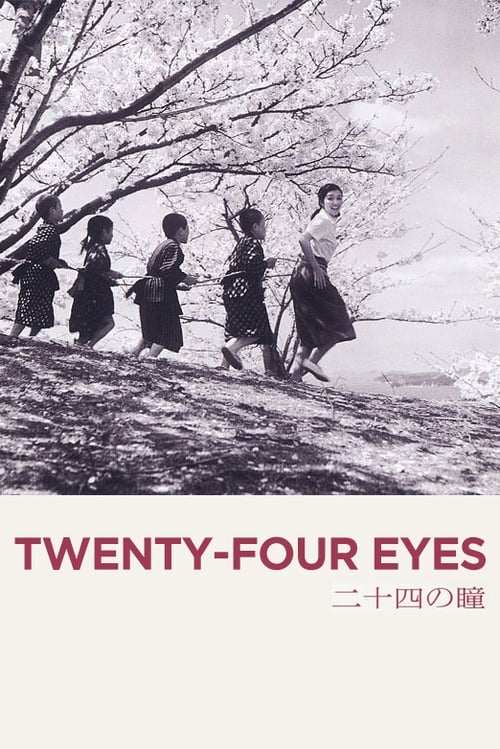
Twenty-Four Eyes
1954
No user ratings available yet
Representation score: 2.5 out of 10
Representation Score
Fair
1946
Not RatedDirector
Keisuke Kinoshita
Runtime
81 minutes
Average Rating
No ratings yetNew Showbiz Analysis
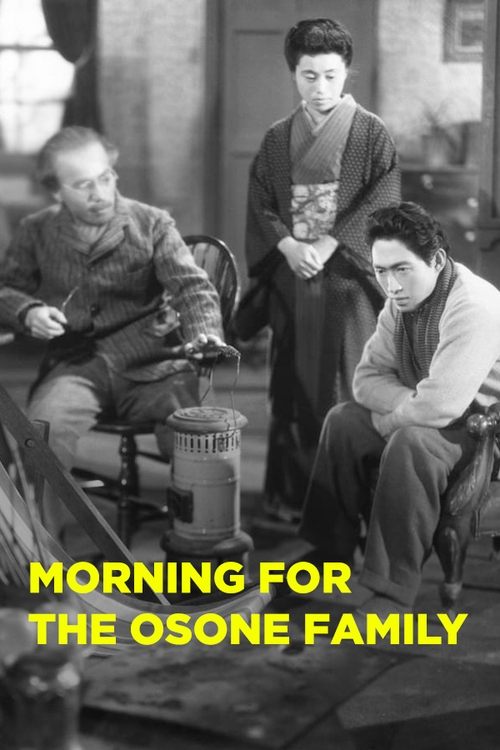
Morning for the Osone Family is a period piece set in the social realities of 1946. It primarily studies domestic life and the struggle of individuals against systemic wartime pressures. The film deconstructs wartime values by focusing on the hardships caused by a military uncle, shifting the focus from state-driven nationalism to the complexities of post-war survival and secularism. However, the film remains limited by its era, featuring a homogeneous ethnic cast and a traditional family structure that lacks explicit LGBTQ+ representation or visible disability narratives.
Category Breakdown
The film does not include any explicit LGBTQ+ characters or narratives. It focuses on a traditional family unit navigating the changes after World War II.
The story centers on a family dealing with hardship, allowing for an examination of women's roles in managing household emotional labor.
The production features a homogeneous Japanese cast. It serves as a cultural text focusing on the internal dynamics of a specific ethnic identity during a geopolitical shift.
The narrative critiques the intrusion of militarism into the private sphere. It prioritizes the survival of the family unit over state-mandated patriotism or military hierarchy.
There is no evidence of characters with visible or invisible disabilities within the narrative.
Present on Screen
Limited or Absent
Official Synopsis
A Japanese family weathers much hardship after their military uncle comes to live with them during WWII.
1954
1959
1953
1955

1948
2006
1951
1944
No reviews yet. Be the first to share your thoughts on this movie!
Use the rating form above to leave a star rating and optional review.