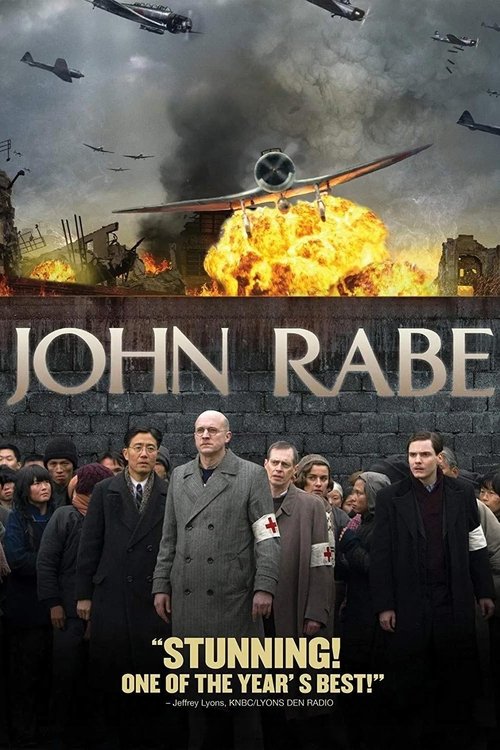
John Rabe
2009
No user ratings available yet
Representation score: 3.0 out of 10
Representation Score
Limited
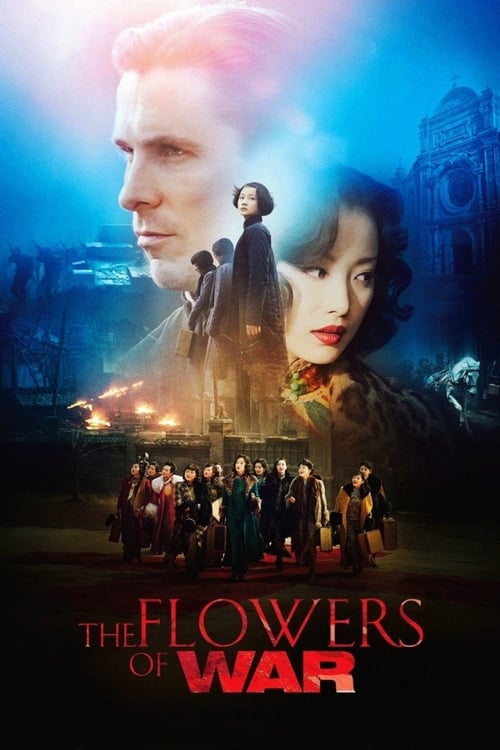
2011
RDirector
Zhang Yimou
Runtime
146 minutes
Average Rating
No ratings yetNew Showbiz Analysis
The film highlights underrepresented women as central figures in a high-stakes survival narrative. By empowering characters from the lowest social strata to shape both moral and tactical outcomes, it redefines traditional ability to act in a wartime context. However, the film adheres to the structure of a traditional war epic. The presence of a Western protagonist as a central guide and the focus on religious institutions limit a full critique of Western values or a complete break from historical hierarchies.
Category Breakdown
There are no LGBTQ+ characters or non-straight relationships in the film. The interpersonal dynamics focus on traditional gender roles and survival-based interactions.
The story centers on a group of women who are typically sidelined. They take charge of their survival strategy, challenging traditional views of virtue and morality.
The film examines the relationship between a Western protagonist and a Chinese community. It keeps distinct cultural identities while using a Western missionary as a central figure to frame the conflict.
The story uses a Christian church as a sanctuary while questioning the limits of religious doctrine in wartime. It emphasizes practical, survival-focused ethics over strict moral codes.
There are no significant portrayals of visible or invisible disabilities that play a key role in the character arcs or plot development.
Present on Screen
Limited or Absent
Official Synopsis
A Westerner finds refuge with a group of women in a church during Japan's rape of Nanking in 1937. Posing as a priest, he attempts to lead the women to safety.
2009
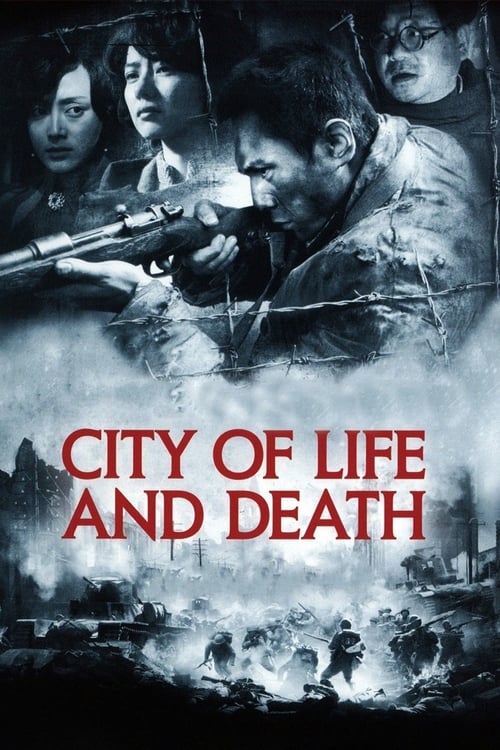
2009
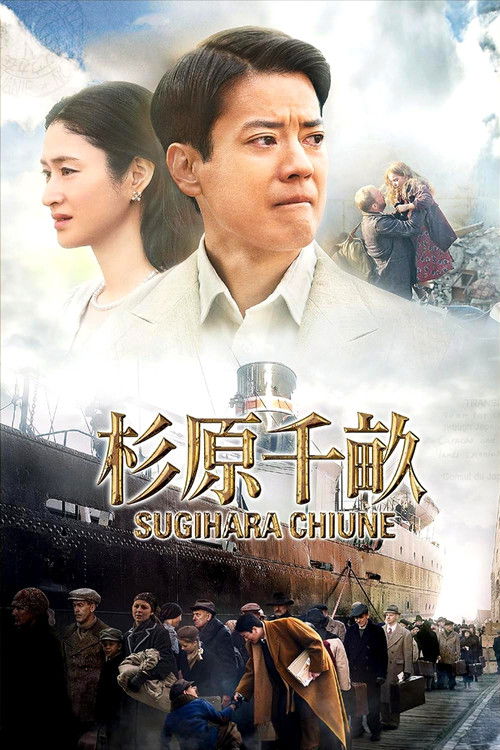
2015

1959

1988

2024

2025

2006
No reviews yet. Be the first to share your thoughts on this movie!
Use the rating form above to leave a star rating and optional review.