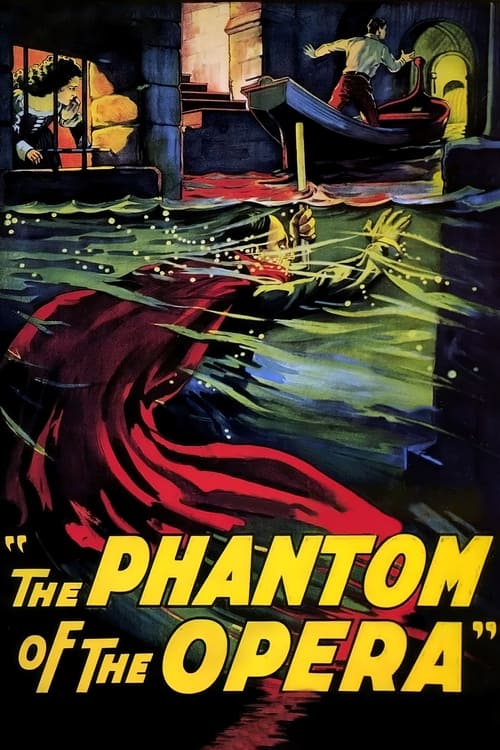
The Phantom of the Opera
1925
No user ratings available yet
Representation score: 1.8 out of 10

Representation Score
Minimal
2000
RDirector
E. Elias Merhige
Runtime
95 minutes
Average Rating
No ratings yetNew Showbiz Analysis
Shadow of the Vampire is a postmodern exploration of film and performance that prioritizes stylistic deconstruction over demographic inclusion. It questions the reliability of the historical record through experimental techniques. However, the film remains tied to the traditional hierarchies of its period, focusing on a white, male-dominated theatrical environment. Ultimately, the work's progressive value lies in its intellectual challenge to historical 'truth' rather than its representation of diverse identities.
Category Breakdown
The film operates within traditional structures that assume everyone is straight or cisgender. Intense, parasitic relationships are shown as supernatural predation rather than as expressions of queer identity.
Power dynamics center around a male-dominated theatrical troupe. Female characters are on the periphery, with the core conflicts and significant roles reserved for male protagonists.
The cast is predominantly white and Anglo-Saxon, reflecting the demographics of 1895 London. There is no significant inclusion of characters of color.
The narrative challenges Victorian moral certainties by embracing moral relativism. It prioritizes the truth of the artistic experience over established religious or social institutions.
There are no prominent depictions of physical or neurodivergent disabilities. Such traits do not serve as central drivers for the plot or characters.
Present on Screen
Limited or Absent
Official Synopsis
Director F.W. Murnau makes a Faustian pact with a vampire to get him to star in his 1922 film "Nosferatu."
1925
1931

1983
1920
1978
1936
1995
1926
No reviews yet. Be the first to share your thoughts on this movie!
Use the rating form above to leave a star rating and optional review.