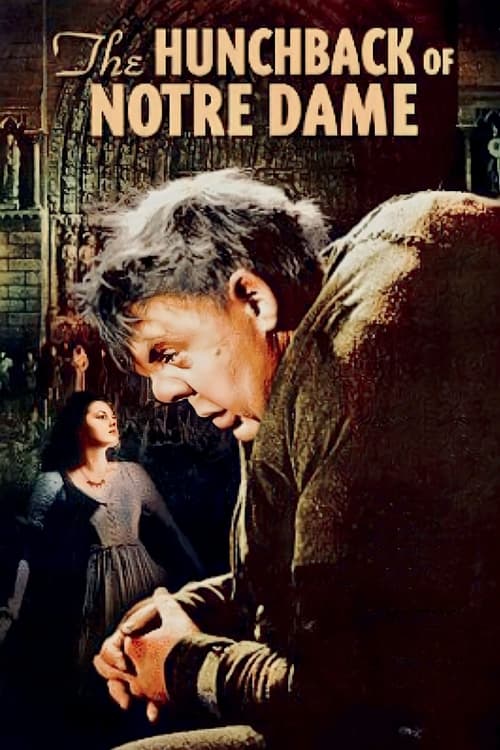
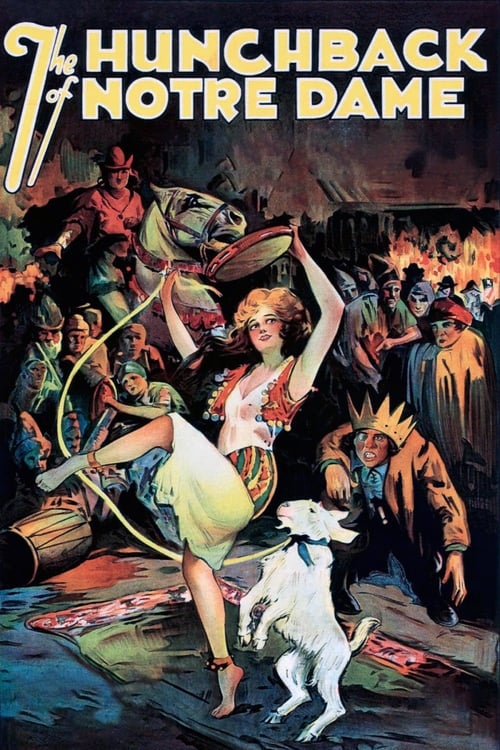
The Hunchback of Notre Dame
1939
No user ratings available yet
Representation score: 6.4 out of 10
Representation Score
Fair
1923
PassedDirector
Wallace Worsley
Runtime
113 minutes
Average Rating
No ratings yetNew Showbiz Analysis
This 1923 adaptation successfully humanizes underrepresented figures, especially through its nuanced portrayal of Quasimodo and the Romani identity of Esmeralda. By focusing on these 'outsiders,' the film challenges the homogeneity of its time period. However, the film remains limited by the melodramatic conventions of the era. It lacks LGBTQ+ representation and adheres to traditional gender roles that often cast women as vulnerable.
Category Breakdown
The film focuses solely on heterosexual relationships and does not depict any LGBTQ+ identities or same-sex intimacy.
Esmeralda is often shown as a symbol of purity and vulnerability, yet she actively drives the plot's moral conflicts, challenging typical gender roles.
The story centers around Esmeralda, a Romani woman, offering significant ethnic representation. Her outsider status creates tension with the dominant society of 15th-century France.
The film criticizes religious authority through Claude Frollo, portraying the clergy as a corrupt and hypocritical force rather than a moral beacon.
Quasimodo is portrayed with deep emotional complexity and moral independence. His physical condition highlights social exclusion rather than being a mere horror figure.
Present on Screen
Limited or Absent
Official Synopsis
In 15th century France, a gypsy girl is framed for murder by the infatuated Chief Justice, and only the deformed bellringer of Notre Dame Cathedral can save her.
1939
1925

1982
1928
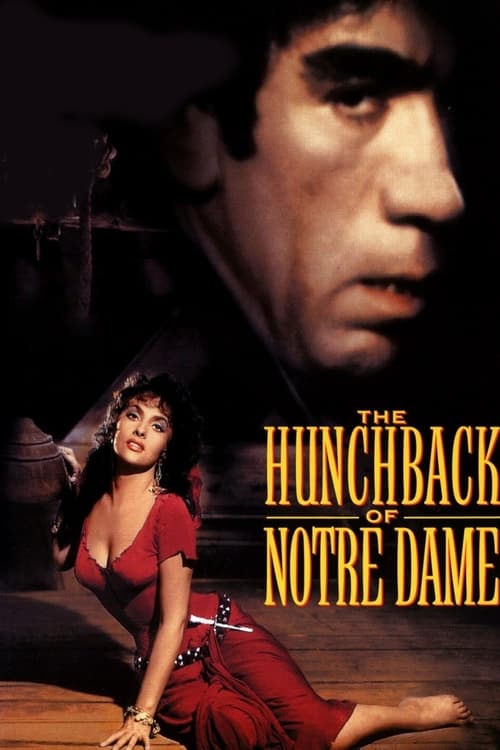
1956
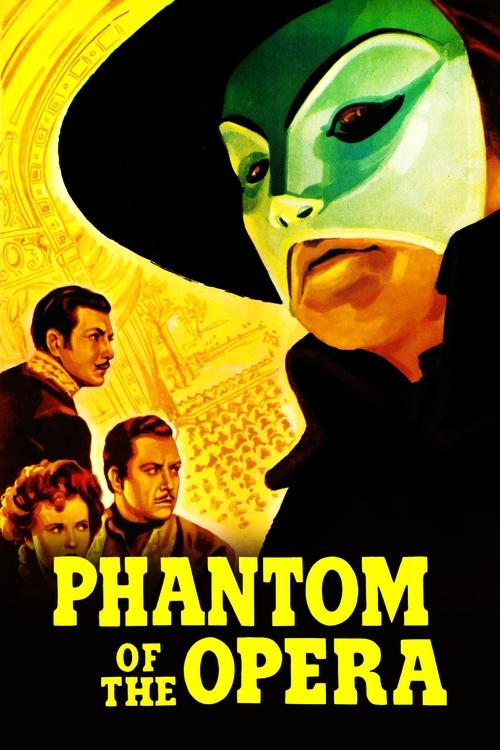
1943
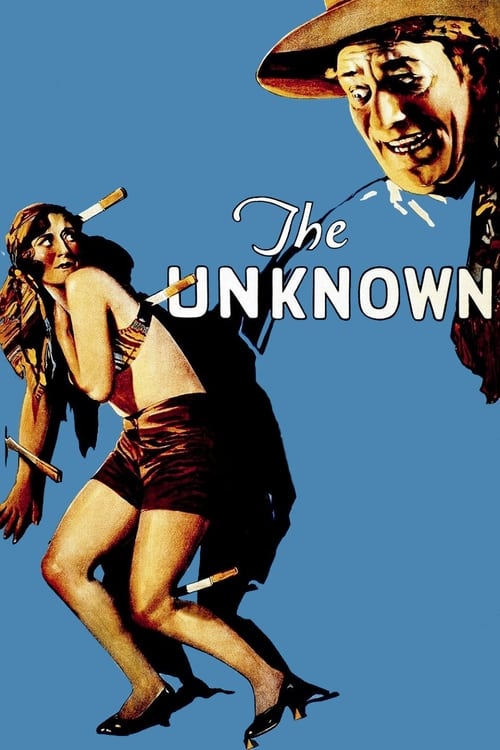
1927

1932
No reviews yet. Be the first to share your thoughts on this movie!
Use the rating form above to leave a star rating and optional review.