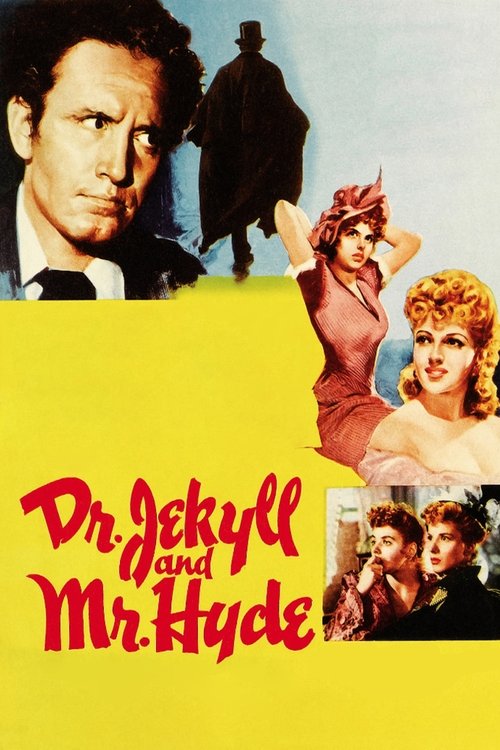
Dr. Jekyll and Mr. Hyde
1941
No user ratings available yet
Representation score: 1.4 out of 10
Representation Score
Minimal
1920
NRDirector
John S. Robertson
Runtime
79 minutes
Average Rating
No ratings yetNew Showbiz Analysis
This silent-era adaptation centers on the internal psychological journey of a male protagonist. Its narrow focus limits opportunities for diverse representation. The film reflects the social norms of the early 20th century, emphasizing traditional moral and gender roles. It prioritizes a conventional moral framework over varied perspectives. While the physical transformation is dramatic, it is used as a metaphor for moral corruption rather than exploring physical or mental differences.
Category Breakdown
The film follows early 20th-century norms, with no depiction of LGBTQ+ identities or same-sex relationships.
The story focuses on the male perspective, reinforcing traditional roles where women have limited influence.
The cast is uniform, reflecting the era's standards with no inclusion of diverse racial backgrounds.
The story warns against scientific hubris and moral decay, upholding traditional Western values.
The physical transformation into Hyde is portrayed negatively, focusing on moral issues rather than exploring disability.
Present on Screen
Limited or Absent
Official Synopsis
A doctor's research into the roots of evil turns him into a hideous depraved fiend.
1941

1931
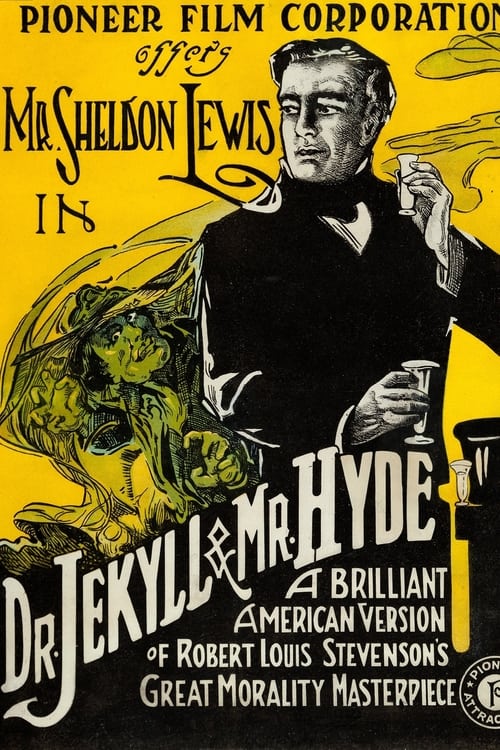
1920
1925
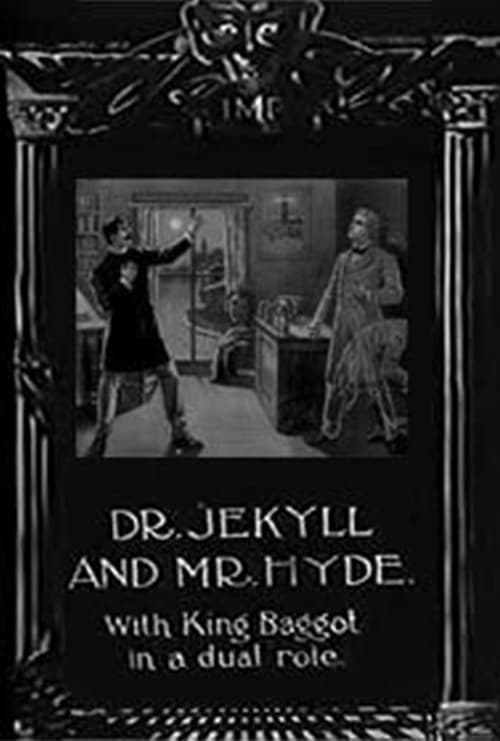
1913
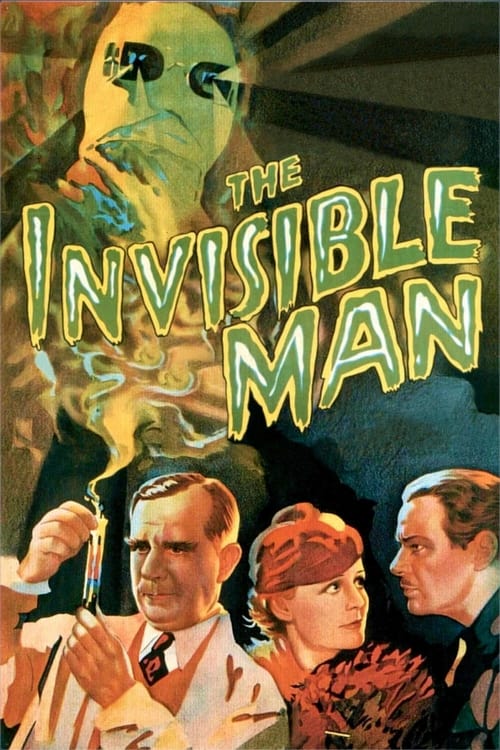
1933
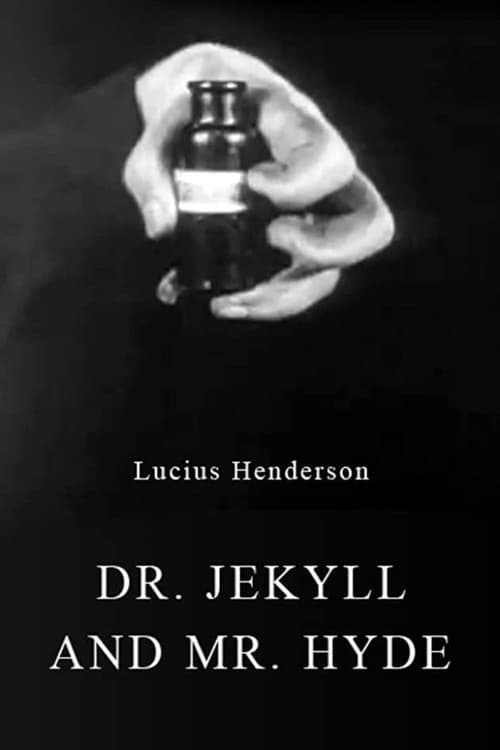
1912
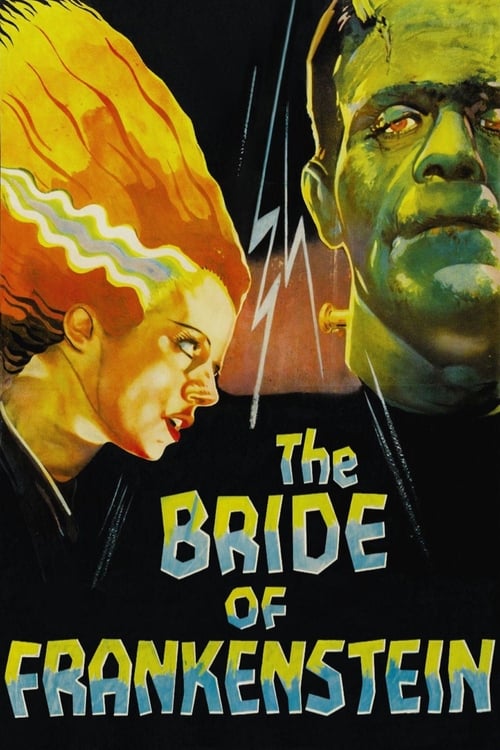
1935
No reviews yet. Be the first to share your thoughts on this movie!
Use the rating form above to leave a star rating and optional review.