Dracula
1931
No user ratings available yet
Representation score: 1.5 out of 10
Representation Score
Limited
1936
ApprovedDirector
Lambert Hillyer
Runtime
68 minutes
Average Rating
No ratings yetNew Showbiz Analysis
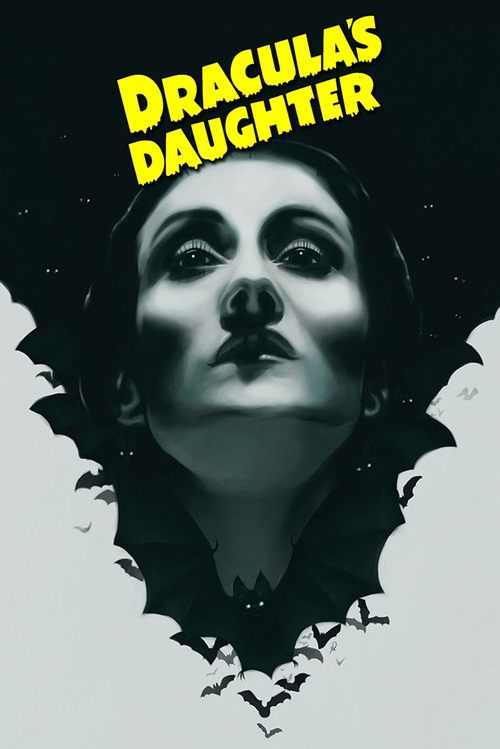
Dracula's Daughter stands as a transitional piece of horror, moving away from pure superstition toward psychological complexity. It succeeds by granting its female lead a significant role in driving the story and intellectual depth, a departure from the era's typical victimized female characters. However, the film is limited by the demographic constraints of its time. It lacks any LGBTQ+ representation and maintains a homogenous European cast, offering little in the way of racial or ethnic diversity. While the film embraces scientific progress over religious clichés, it still views the protagonist's condition through a clinical lens of suppression. This reinforces a traditional social hierarchy despite its progressive psychological themes.
Category Breakdown
The film does not include any LGBTQ+ characters or narratives. Relationships and interpersonal dynamics are confined to conventional romantic and social frameworks, focusing on the relationship between the female protagonist and a male doctor.
Countess Marya Zaleska breaks horror clichés by serving as an active protagonist rather than a victim. She drives the plot through her intellectual pursuit to understand and control her own nature.
The cast and setting reflect the demographic homogeneity of 1930s studio films. The story centers on European aristocracy and Western science without any notable racial diversity.
The narrative shifts from folklore toward scientific authority, prioritizing secularism over religious intervention. It remains grounded in Western structures focused on maintaining social order.
The vampiric condition serves as a metaphor for a biological or psychological affliction. The struggle is framed through a medicalized lens that views abnormality as something to be cured.
Present on Screen
Limited or Absent
Official Synopsis
A countess from Transylvania seeks a psychiatrist’s help to cure her vampiric cravings.
1931
1943
1932
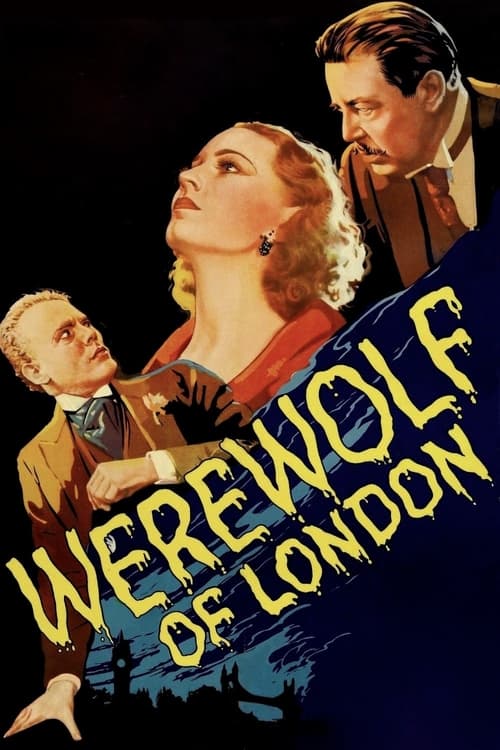
1935
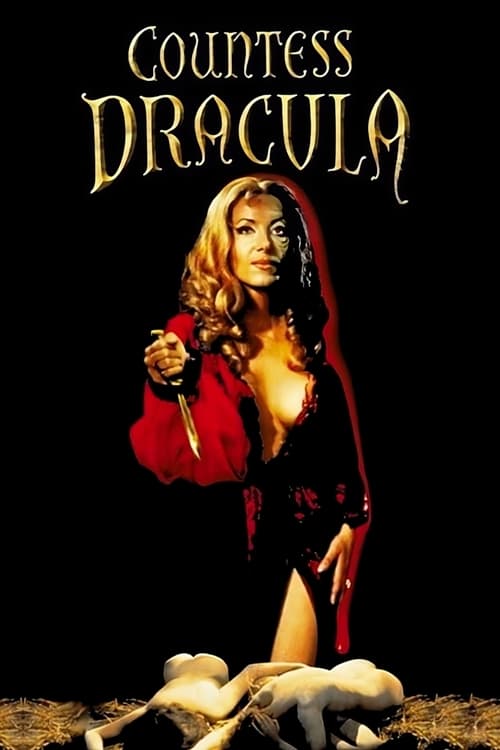
1971
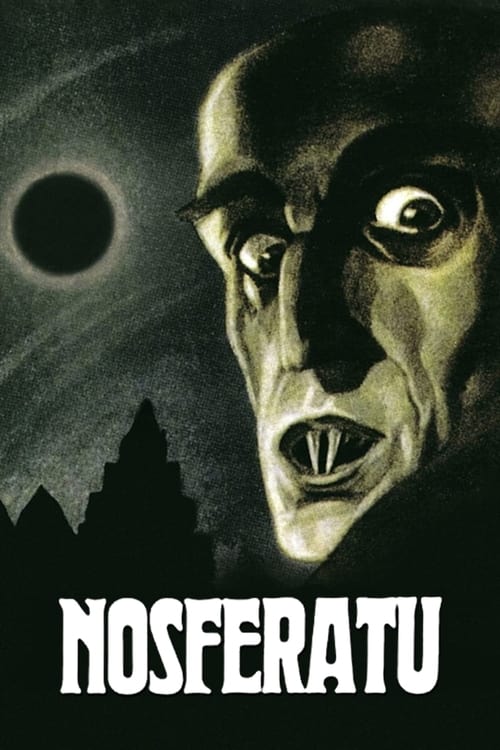
1922
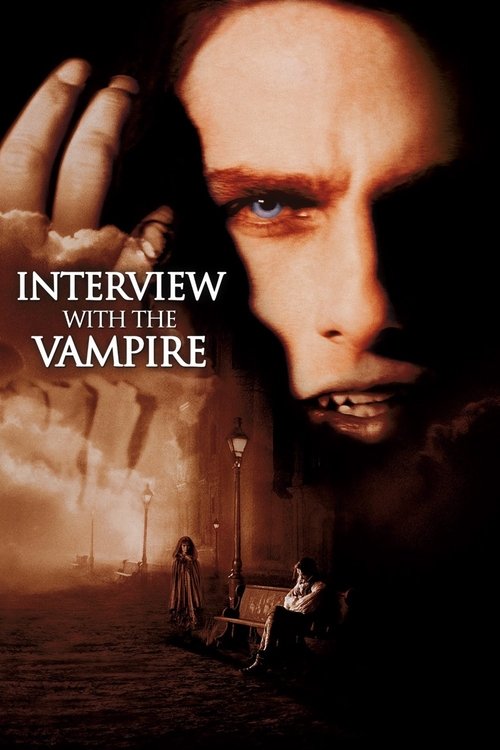
1994
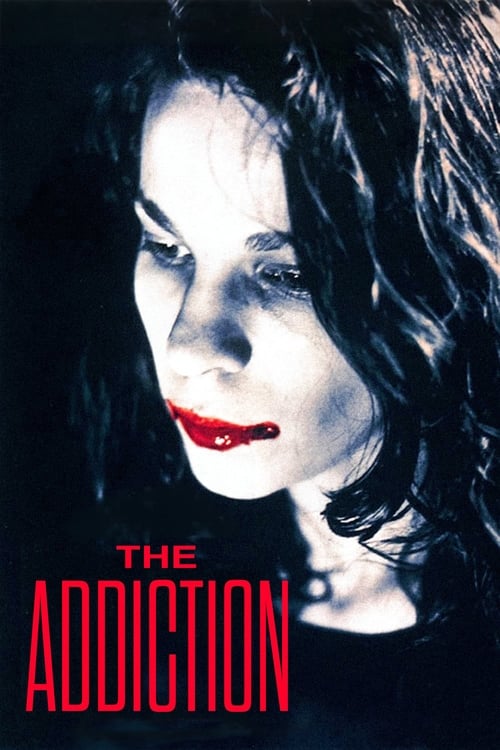
1995
No reviews yet. Be the first to share your thoughts on this movie!
Use the rating form above to leave a star rating and optional review.