
Queen of the Damned
2002
No user ratings available yet
Representation score: 6.5 out of 10
Representation Score
Excellent
1994
RDirector
Neil Jordan
Runtime
123 minutes
Average Rating
No ratings yetNew Showbiz Analysis
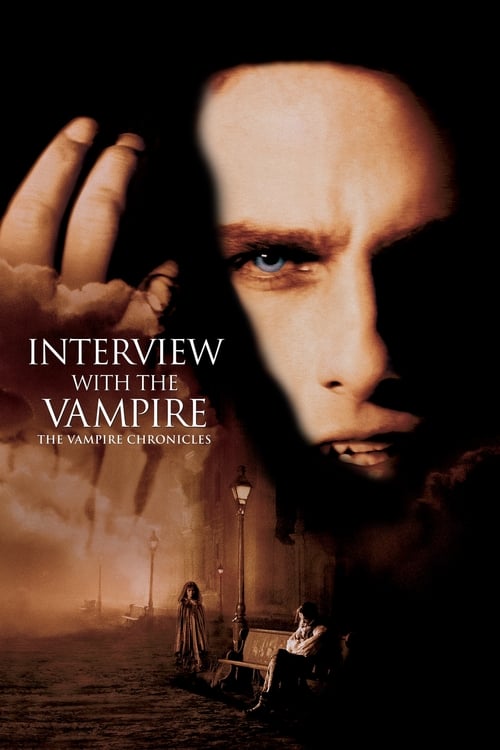
Neil Jordan’s direction creates a sophisticated exploration of identity and fluidity. By focusing on a relationship that challenges conventional expectations, the film moves beyond typical gothic horror conventions. The narrative prioritizes moral ambiguity and a critique of Western social certainties. It replaces simple good-versus-evil clichés with a postmodern look at the individual's struggle against systemic constraints. While the film excels in exploring queer longing and moral relativism, it remains limited by its reliance on genre metaphors for neurodivergence and a primarily white central cast.
Category Breakdown
The film focuses on a strong, emotionally charged bond between Louis and Lestat, challenging the idea that everyone is straight or cisgender. This bond is the main driver of the plot.
The narrative emphasizes emotional vulnerability and existential despair, moving away from traditional masculine stereotypes. Characters show complex emotions rather than stoic leadership.
Set in 18th-century New Orleans, the film explores the racial and socioeconomic hierarchies of the Antebellum South. It highlights the power dynamics and ownership issues of that time.
The story questions traditional Western institutions like organized religion and the concept of the soul. It replaces simple moral rules with existential inquiry and situational ethics.
The vampire condition symbolizes profound alienation and psychological differences. However, these elements serve mainly as plot devices rather than specific representations of disability.
Present on Screen
Limited or Absent
Official Synopsis
A vampire relates his epic life story of love, betrayal, loneliness, and dark hunger to an over-curious reporter.
2002

1936

1995
1931

1983

1978

1995
1945
No reviews yet. Be the first to share your thoughts on this movie!
Use the rating form above to leave a star rating and optional review.