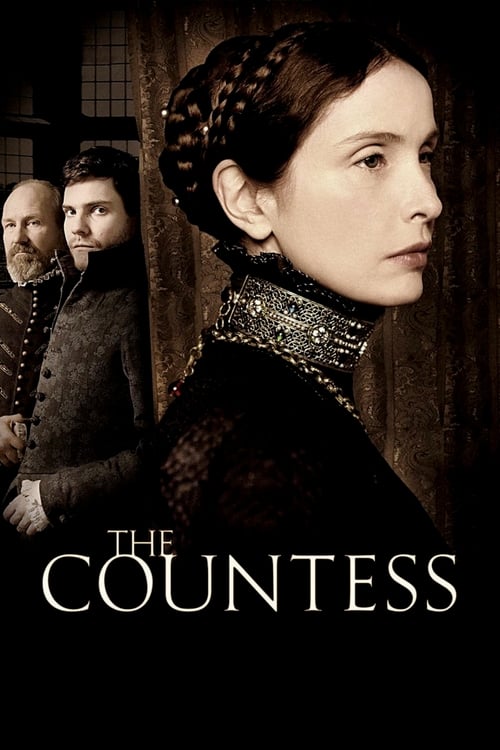
The Countess
2009
No user ratings available yet
Representation score: 6.3 out of 10
Representation Score
Fair
1971
PGDirector
Peter Sasdy
Runtime
93 minutes
Average Rating
No ratings yetNew Showbiz Analysis
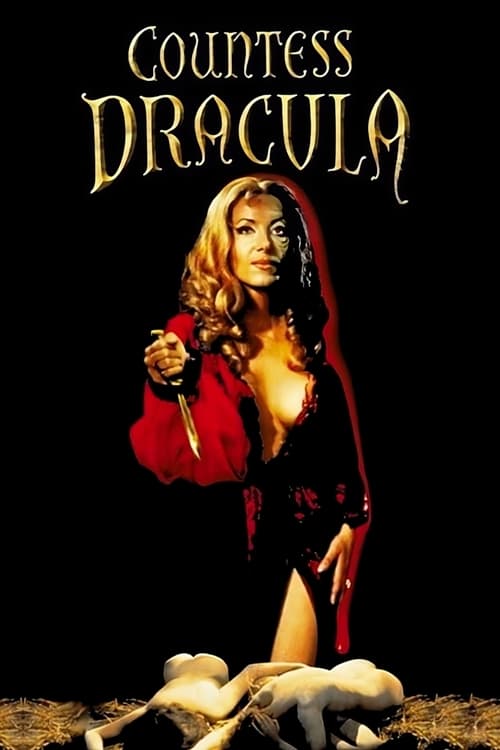
Countess Dracula stands out for its subversion of traditional gender power dynamics. By portraying Elizabeth Báthory as an intelligent and powerful force, the film moves beyond the passive female roles common in period dramas. However, the film adheres closely to 1970s genre conventions and historical realism. It lacks diversity, offering no representation of LGBTQ+ identities, diverse ethnicities, or lived experiences of disability. The production remains a localized, homogeneous exploration of aristocratic decay, prioritizing gothic clichés over modern demographic inclusivity.
Category Breakdown
The film follows a traditional framework that assumes everyone is straight. It does not include any identifiable queer identities or stories that question this assumption.
The story focuses on a female protagonist who holds absolute power and acts destructively. She challenges the typical victim role by being the main aggressor and shaping her own fate.
The film has a cast that is primarily European, fitting the 17th-century Hungarian setting. It stays true to its historical context without including a diverse range of actors.
The story depicts the nobility as a corrupt and declining class. Although the Church is present, the focus is on the psychological decline of individuals rather than religious criticism.
The film does not meaningfully represent neurodivergence or physical disabilities. Psychological conditions are portrayed through the idea of madness to enhance the horror elements.
Present on Screen
Limited or Absent
Official Synopsis
Hungary, XVII century. After being widowed, the old countess Elizabeth Nádasdy, of the Báthory lineage, fortunately discovers a way to become young again; but the price to be paid by those around her will be high and bloody.
2009
1936

1983
1971

1964
1970
2007
1970
No reviews yet. Be the first to share your thoughts on this movie!
Use the rating form above to leave a star rating and optional review.