
Martin
1978
No user ratings available yet
Representation score: 3.9 out of 10

Representation Score
Good
1995
NRDirector
Abel Ferrara
Runtime
82 minutes
Average Rating
No ratings yetNew Showbiz Analysis
The Addiction is a postmodern exploration of desire that prioritizes psychological descent over demographic breadth. It succeeds in challenging traditional gender hierarchies by centering a female protagonist with intense ability to act. However, the film's narrow focus on individual nihilism limits its racial and LGBTQ+ representation. While the cast lacks multi-layered diversity, the film excels in its cultural deconstruction. It challenges Western moral frameworks and institutional stability, framing self-destruction as a form of radical liberation. Ultimately, the work functions more as a philosophical allegory than a diverse social study, trading broad representation for deep, intellectual subversion of established norms.
Category Breakdown
The film hints at unconventional desires and obsessions without explicitly labeling identities. Instead, it focuses on the blurring of traditional sexual boundaries.
Lili Taylor's character has significant intellectual and existential ability to act. She avoids submissive stereotypes, navigating psychological trauma through her own violent and complex autonomy.
The story centers on a small group in a gritty New York setting. This narrow focus limits the film's exploration of multi-layered diversity.
The film critiques Western institutional values and Christian morality. It emphasizes radical, subjective liberation over traditional social structures or the family unit.
Psychological instability and physical decay serve as central allegorical devices. The portrayal focuses more on existential themes than a nuanced study of clinical disability.
Present on Screen
Limited or Absent
Official Synopsis
A vampiric doctoral student tries to follow the philosophy of a nocturnal comrade and control her thirst for blood.
1978
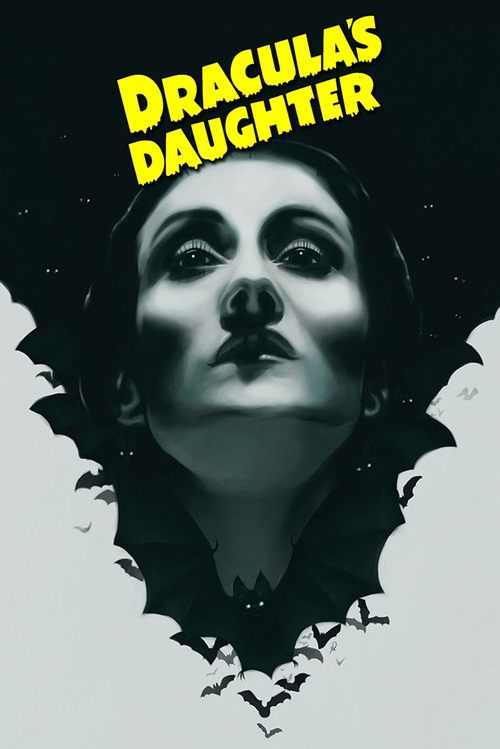
1936

1983
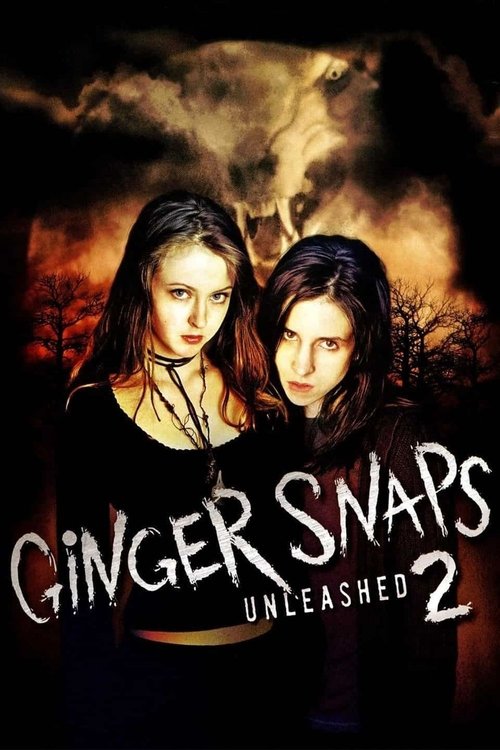
2004
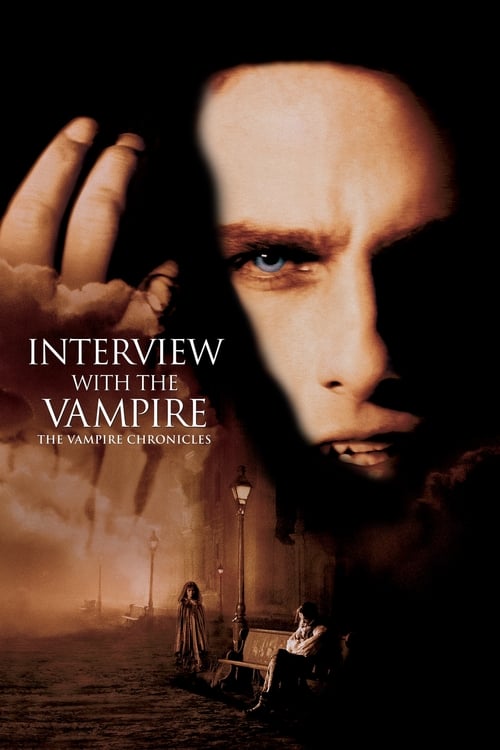
1994

1989
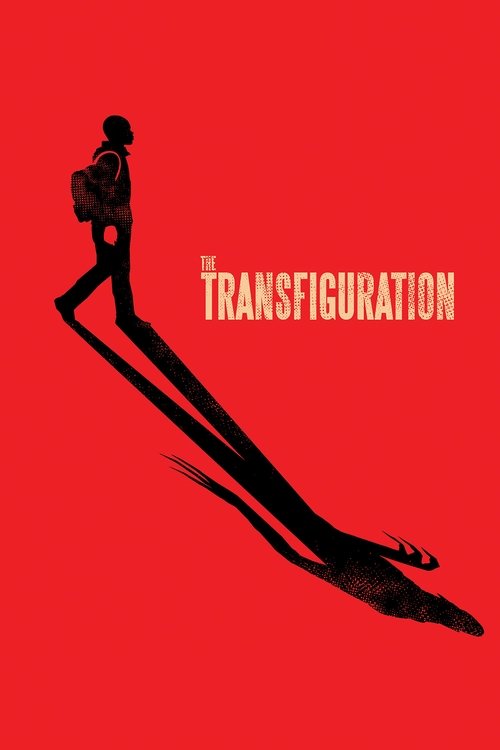
2016

1990
No reviews yet. Be the first to share your thoughts on this movie!
Use the rating form above to leave a star rating and optional review.