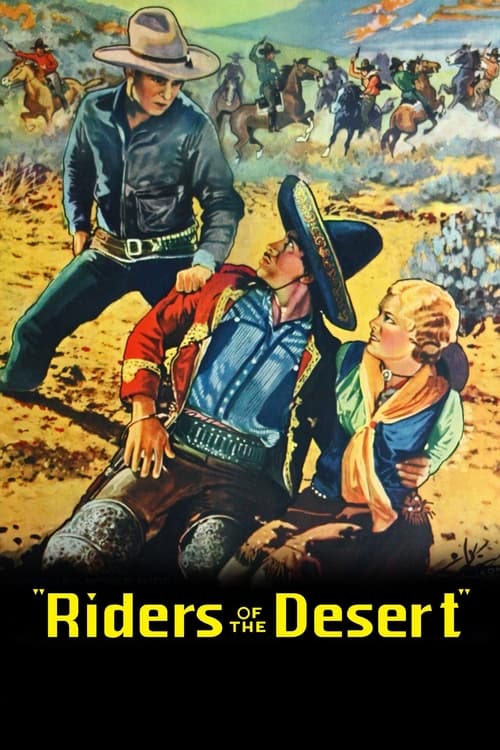
Riders of the Desert
1932
No user ratings available yet
Representation score: 0.9 out of 10

Representation Score
Minimal
1928
PassedDirector
Robert N. Bradbury
Runtime
60 minutes
Average Rating
No ratings yetNew Showbiz Analysis
Headin' for Danger is a classic 1928 Western that emphasizes rugged individualism and clear moral binaries. The narrative follows a typical trajectory of adventure and liberation, reinforcing the era's foundational themes rather than challenging them. The film relies heavily on traditional archetypes, particularly regarding gender and ethnicity. While the setting offers some ethnic variety, the characterizations remain tied to the hero-versus-bandit conflict common in early frontier cinema. Ultimately, the work serves as a restorative narrative. It aims to establish stability through physical prowess and conventional romance, lacking the layered diversity seen in more contemporary media.
Category Breakdown
The film does not include any non-traditional gender identities. The story centers around traditional romantic relationships involving the main character.
Gender roles adhere to traditional hierarchies. Jimmy Marshall drives the plot through his actions, while the female lead serves as a passive romantic interest.
The Mexican town setting introduces ethnic presence, but characters are portrayed through conflict. Bandits represent a limited, potentially stereotypical use of non-Anglo identities.
The story upholds traditional Western values and frontier justice. It emphasizes a singular moral framework focused on restoring order through individual heroism.
There is no documented evidence regarding the portrayal of physical or neurodivergent disabilities in this film.
Present on Screen
Limited or Absent
Official Synopsis
Jimmy Marshall, an adventurous youth, wanders in disguise into a small Mexican town seeking adventure. Captured by bandits he fights his way to freedom and meets the girl of his dreams.
1932
1930
1931
1928
1927

1926
1930
1930
No reviews yet. Be the first to share your thoughts on this movie!
Use the rating form above to leave a star rating and optional review.