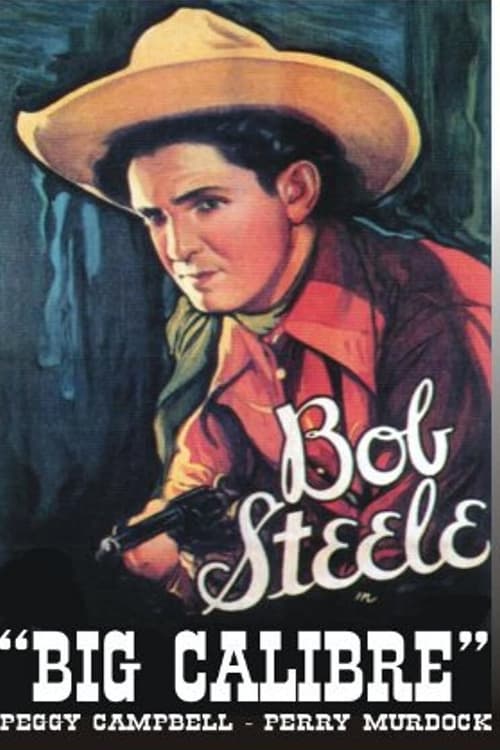
Big Calibre
1935
No user ratings available yet
Representation score: 1.4 out of 10
No Poster Available
Representation Score
Minimal
1927
PassedDirector
Robert De Lacey
Runtime
50 minutes
Average Rating
No ratings yetNew Showbiz Analysis
The film is a conventional silent-era Western that prioritizes established genre clichés over progressive character development. While the protagonist's identity offers a singular point of ethnic interest, the narrative structure reinforces traditional social hierarchies. Gender roles are strictly defined, with the female lead serving as a prize for the hero rather than an independent agent. The plot centers on property, inheritance, and the triumph of the individual hero, aligning with the conservative values of 1920s Hollywood. Ultimately, the work lacks depth in reflecting multiple aspects of identity and adheres to the romantic and racial frameworks of its time.
Category Breakdown
The film centers on a traditional romance between Bill Duncan and Helen Flynne, operating within the typical heterosexual frameworks common to early 20th-century Westerns.
Helen Flynne is a central figure, but her role is largely reactive. She functions primarily as a subject of inheritance and a figure to be rescued.
The title suggests an Indigenous protagonist, offering a baseline for ethnic diversity. However, the narrative likely depends on period-typical racial framing and established genre clichés.
The story upholds traditional Western values and conservative moral frameworks. It emphasizes the protection of property and the restoration of social order through individual heroism.
There is no indication of characters dealing with physical, neurodivergent, or mental health conditions within the narrative.
Present on Screen
Limited or Absent
Official Synopsis
Returning to his hometown, Bill Duncan conceals his identity due to a longstanding feud with the Flynne family. He is soon found out and arrested for the murder of rancher Red Flynne. Flynne's estate is bequeathed jointly to his foreman Rolfe McPherson and his daughter Helen. Helen believes her father wished her to marry Rolfe, unaware that he plotted the murder. Clued in by the housekeeper of Rolfe's guilt, Bill escapes and pursues Rolfe who has kidnapped Helen and is headed for the Mexican border. Bill comes to the rescue, brings the villain to justice, and wins Helen.
1935

1939
1938
1932
1923
1922
1929
1934
No reviews yet. Be the first to share your thoughts on this movie!
Use the rating form above to leave a star rating and optional review.