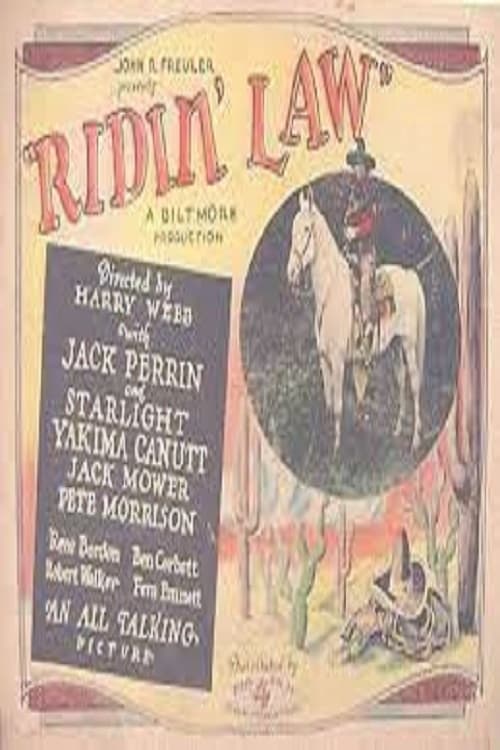
Ridin' Law
1930
No user ratings available yet
Representation score: 0.6 out of 10
Representation Score
Minimal
1929
PassedDirector
Harry Joe Brown
Runtime
71 minutes
Average Rating
No ratings yetNew Showbiz Analysis
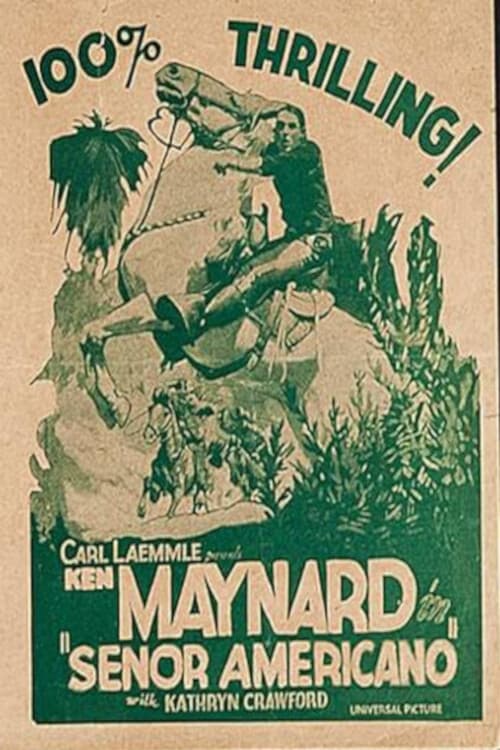
Señor Americano is a typical 1920s Western film that adheres to the genre’s rigid conventions. The narrative revolves around a single male protagonist, reinforcing traditional gender roles and masculine archetypes. The Mexican setting introduces ethnic interactions, but the reliance on 'bandit' stereotypes may lead to simplified racial representations. The film prioritizes frontier justice and authority over exploring cultural complexities. Overall, the film lacks depth in representing diverse identities and cultural nuances, sticking to the genre’s established norms.
Category Breakdown
The film does not include any depictions of LGBTQ+ identities or same-sex relationships. The main character is a U.S. soldier who embodies traditional masculinity.
The story centers around a male protagonist who emphasizes traditional masculine leadership. This likely means there is little focus on female characters taking control of their own stories.
The film is set in Mexico, which brings ethnic interactions. However, it relies heavily on the 'bandit' stereotype, which can come across as simplistic and lacking nuance.
The movie follows conventional Western themes focusing on law and frontier justice. It highlights the imposition of authority without questioning broader systemic powers.
There is no mention of characters with physical or neurodivergent disabilities. The film does not address disability representation.
Present on Screen
Limited or Absent
Official Synopsis
A U.S. soldier goes after bandits in California, although it is still owned by Mexico.
1930
1954
1939
1972
1951
1931
1959
1940
No reviews yet. Be the first to share your thoughts on this movie!
Use the rating form above to leave a star rating and optional review.