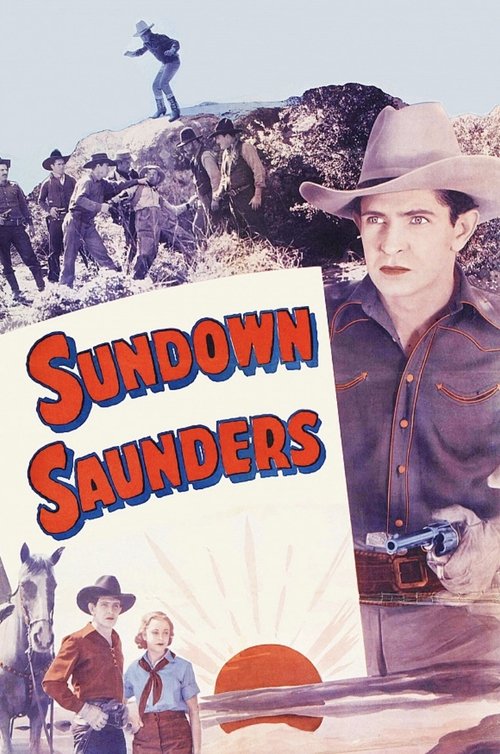
Sundown Saunders
1935
No user ratings available yet
Representation score: 0.5 out of 10
Representation Score
Minimal
1935
ApprovedDirector
Robert N. Bradbury
Runtime
58 minutes
Average Rating
No ratings yetNew Showbiz Analysis
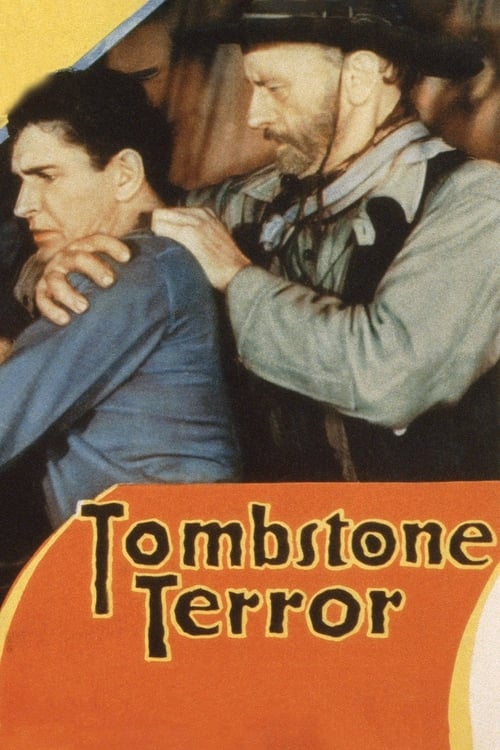
Tombstone Terror is a typical 1930s B-Western that upholds established social and gender norms. The plot centers on masculine competition, property ownership, and the restoration of patriarchal authority through the Dixon family lineage. The film relies on conventional genre clichés, using ethnicity as a shorthand for conflict and focusing on male-dominated leadership. It reinforces the era’s standard storytelling rather than disrupting social hierarchies. Ultimately, the narrative structure supports traditional Western institutions like land ownership and the banking system through a lens of justice and retribution.
Category Breakdown
The film does not include any LGBTQ+ identities. Character interactions revolve around traditional masculine roles and family ties.
The story focuses heavily on male characters, emphasizing conflicts between brothers and patriarchal structures. There is no evidence of women taking leading roles or challenging gendered hierarchies.
The story uses ethnic characters as stereotypical antagonists, following 1930s Western clichés. There is no nuanced portrayal or ability to act given to characters of color.
The film highlights traditional Western values like property rights and debt repayment. It portrays ranch management and banking stability as central stakes without critiquing systemic issues.
There are no visible or invisible disabilities portrayed. Characters are shown as able-bodied within a physically demanding genre.
Present on Screen
Limited or Absent
Official Synopsis
Jimmy Dixon, pursued by a band of Mexicans, changes clothes with a tramp, who takes off on his horse. Four miles later, Jimmy walks onto the Double-O Ranch, from which he had been thrown off four years before by his dad, who had blamed Jimmy for something that his twin brother Duke had done. Duke, home from college, took over the ranch when Mr. Dixon became ill, and has run it into the ground. When Duke goes to the bank to repay a debt to Jimmy, he rides onto Phoenix with all of the ranch money.
1935
1935
1935
1932
1937

1939
1925
1938
No reviews yet. Be the first to share your thoughts on this movie!
Use the rating form above to leave a star rating and optional review.