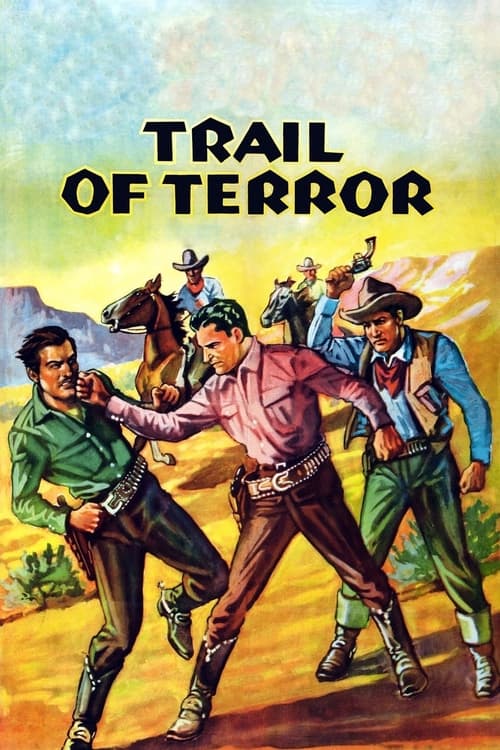
Trail of Terror
1935
No user ratings available yet
Representation score: 1.5 out of 10
Representation Score
Minimal
1936
PassedDirector
Robert N. Bradbury
Runtime
56 minutes
Average Rating
No ratings yetNew Showbiz Analysis
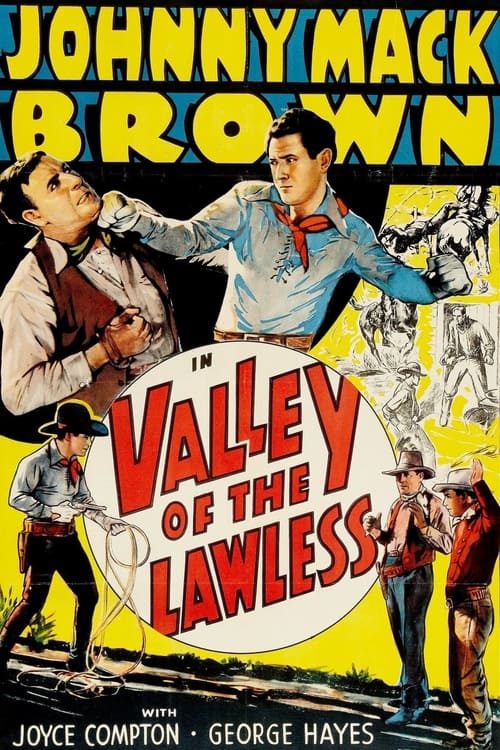
Valley of the Lawless is a quintessential 1930s Western that prioritizes traditional genre clichés over social complexity. The narrative is built around masculine pursuits, specifically a quest for treasure and familial vengeance, which reinforces the era's established gender hierarchies. Representation is limited by the historical context of its production. The film relies on a homogeneous cast and a moral framework centered on individualistic heroism. It lacks engagement with multiple aspects of identity or any subversion of systemic power dynamics. Ultimately, the film serves as a reflection of mid-1930s cinematic standards, focusing on clear-cut morality and conventional frontier narratives rather than diverse or inclusive storytelling.
Category Breakdown
There are no visible LGBTQ+ characters or narratives that challenge traditional social norms in this film.
The plot prioritizes masculine ability to act through Johnny Mack Brown's quest for vengeance. Female characters appear only as supporting figures within a male-driven narrative.
The production adheres to the homogeneous white casting common in early Hollywood frontier stories. It lacks diverse ethnic representation in lead roles.
The story emphasizes traditional Western values like personal honor and lineage. It follows a classic structure of individualistic justice rather than critiquing social institutions.
The film provides no specific portrayal of physical or neurodivergent disabilities. There is no information regarding how disability is addressed in this narrative.
Present on Screen
Limited or Absent
Official Synopsis
Johnny Mack Brown goes in search of a treasure map tattooed on the chest of a man who once betrayed his father.
1935
1962
1932
1930
1935
1950
1933
1929
No reviews yet. Be the first to share your thoughts on this movie!
Use the rating form above to leave a star rating and optional review.