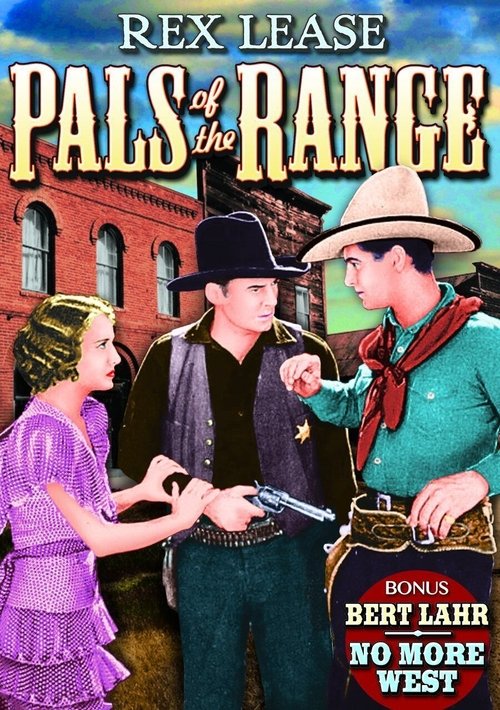
Pals of the Range
1935
No user ratings available yet
Representation score: 0.4 out of 10
Representation Score
Minimal
1932
PassedDirector
D. Ross Lederman
Runtime
57 minutes
Average Rating
No ratings yetNew Showbiz Analysis
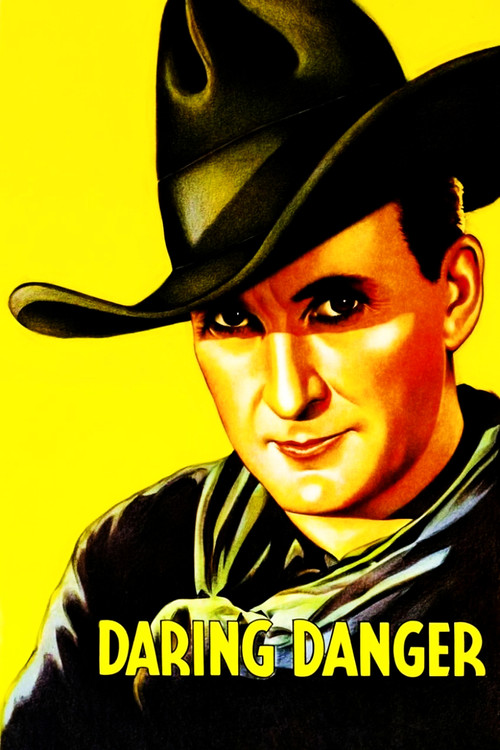
Daring Danger is a typical product of the early 1930s studio system, prioritizing established Western genre conventions over complex storytelling. The film centers on a singular masculine hero navigating a conflict with rustlers. Representation is very limited, reflecting the era's narrow demographic focus. The film reinforces traditional male leadership and frontier morality, offering little room for diverse perspectives. Ultimately, the film functions as a straightforward action-oriented Western. It lacks the structural depth needed to challenge the social hierarchies or cultural norms of its time.
Category Breakdown
The film does not include any LGBTQ+ characters or stories that challenge the idea that everyone is straight or cisgender.
The story focuses on a wounded cowboy, emphasizing traditional masculine traits like rugged individualism. There are no female characters shown taking a leading role or challenging gender norms.
The film likely follows typical 1932 casting practices, featuring white protagonists. It does not include meaningful racial diversity or characters of color with significant influence.
The narrative upholds classic Western values such as frontier justice and property rights. It promotes traditional views of law and order without questioning these institutions.
The protagonist's injury serves mainly to create tension rather than explore disability. No characters are shown taking control or acting independently beyond the wounded hero archetype.
Present on Screen
Limited or Absent
Official Synopsis
A wounded cowboy catches rustlers who use a trick branding iron.
1935
1932
1934
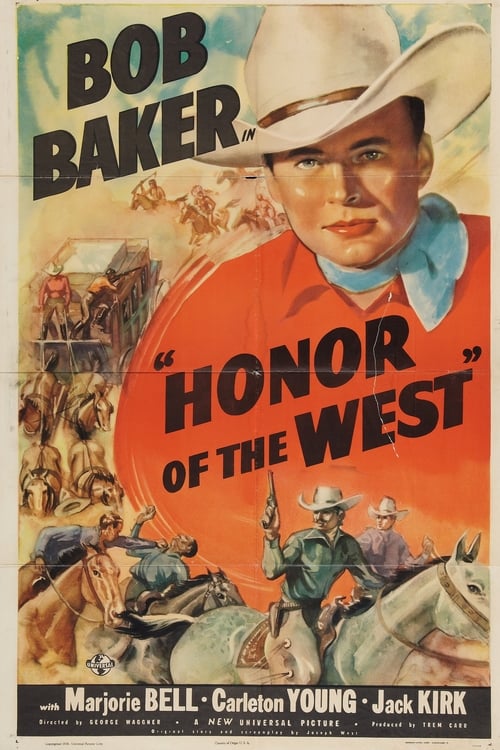
1939
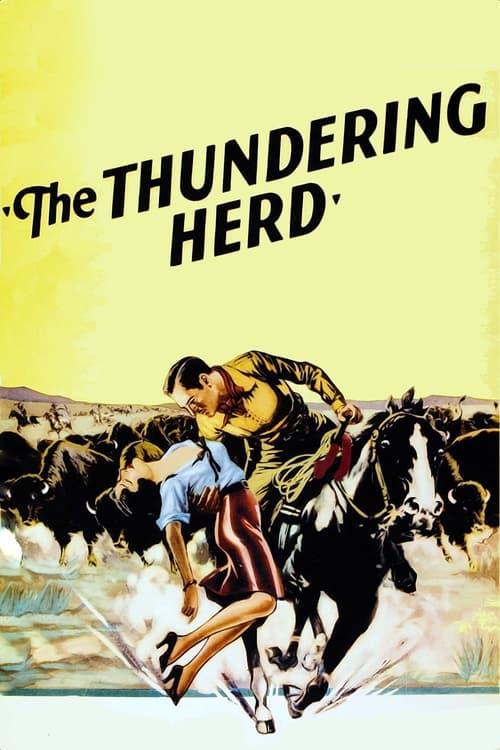
1933
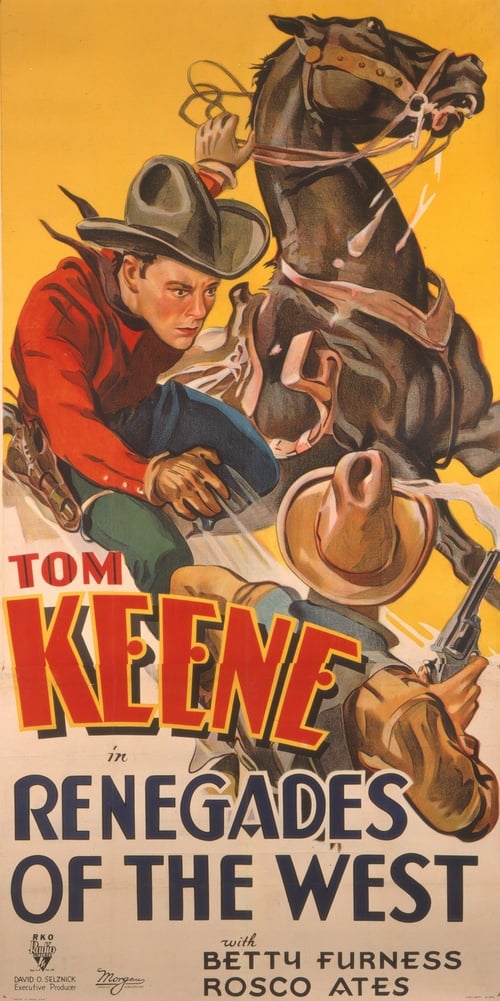
1932
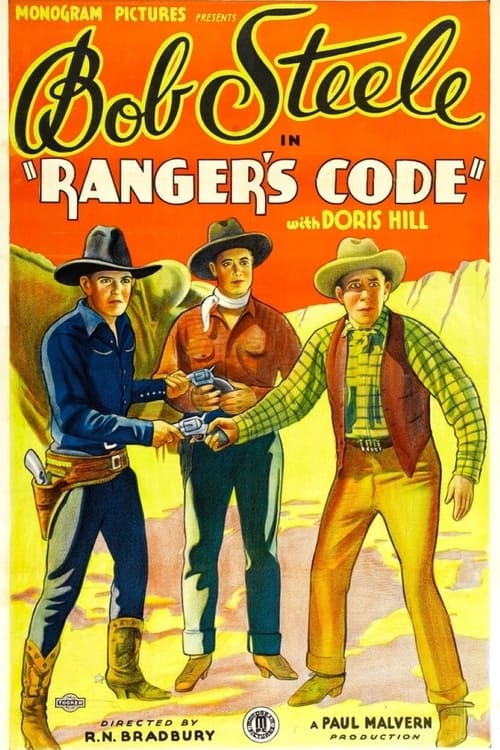
1933
1932
No reviews yet. Be the first to share your thoughts on this movie!
Use the rating form above to leave a star rating and optional review.