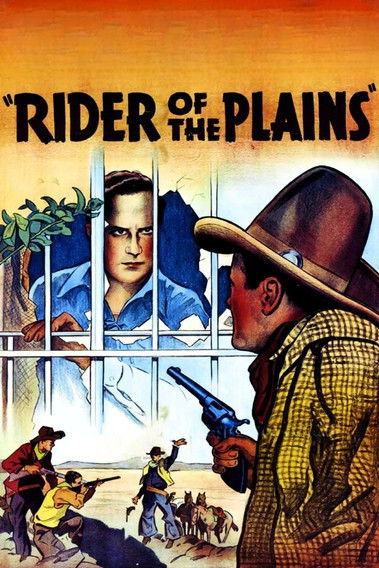
A Rider of the Plains
1931
No user ratings available yet
Diversity score: 2.6 out of 10
1930
PassedDirector
John P. McCarthy
Runtime
60 minutes
Average Rating
No ratings yetSynopsis
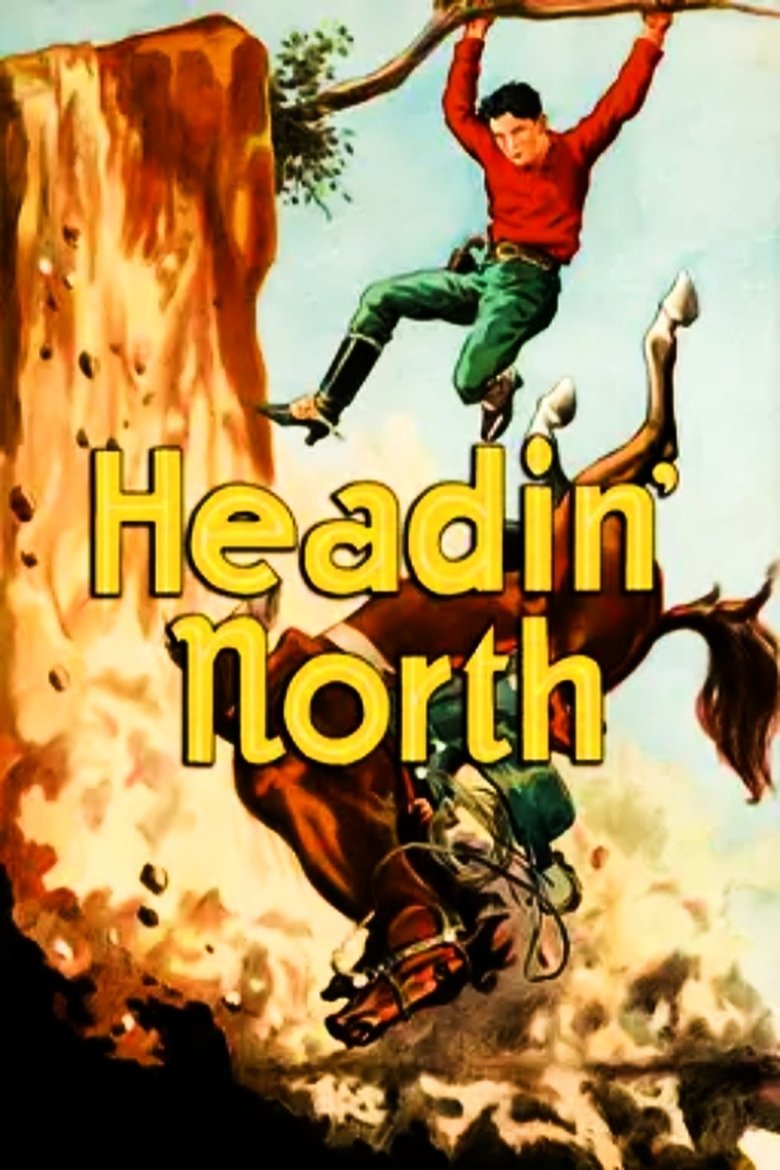
Having helped his father escape the law, Jim Curtis heads north with the Marshal chasing him. He and his pal Snicker elude the Marshall by changing clothes with two actors. Now forced to do vaudeville skits, Jim finds the man responsible for his and his father's problem working in the same saloon.
Overall Score
Limited
Category Breakdown
LGBTQ+ Representation
The film lacks any evidence of LGBTQ+ characters or non-cisnormative identities. It adheres to the conventional social structures typical of early 1930s Westerns.
Gender Representation
The story centers on male protagonists Jim Curtis and Snicker. There is a notable absence of female agency within the primary conflict and narrative focus.
Racial & Ethnic Diversity
The film reflects the homogeneous casting norms of its era. It focuses on traditional Western tropes without evidence of diverse racial or ethnic representation.
Religious & Cultural Diversity
The plot follows standard themes of law, evasion, and personal justice. It operates within the traditional cultural frameworks of the early sound era.
Disability Representation
There is no information available regarding the depiction of physical or neurodivergent characters in this production.
Strengths
Areas for Improvement
AI Analysis
Headin' North is a standard early sound-era Western that prioritizes traditional genre mechanics over social complexity. The narrative is built around masculine archetypes, focusing on a man's struggle with law enforcement and his efforts to assist his father. The film lacks intersectional depth, offering little to no representation of women, diverse racial groups, or LGBTQ+ identities. It functions as a product of its time, reinforcing the homogeneous social hierarchies common to 1930s cinema. Ultimately, the film serves as a conventional genre piece that relies on established tropes of individualistic struggle rather than challenging the era's cultural or social norms.
1931
1932
1931
1932
1931
1939
1936
1942
1945
1932
1928
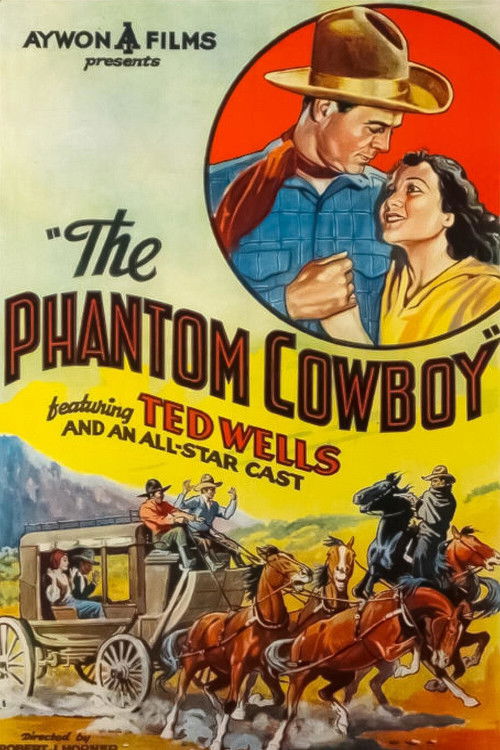
1935
No reviews yet. Be the first to share your thoughts on this movie!
Use the rating form above to leave a star rating and optional review.