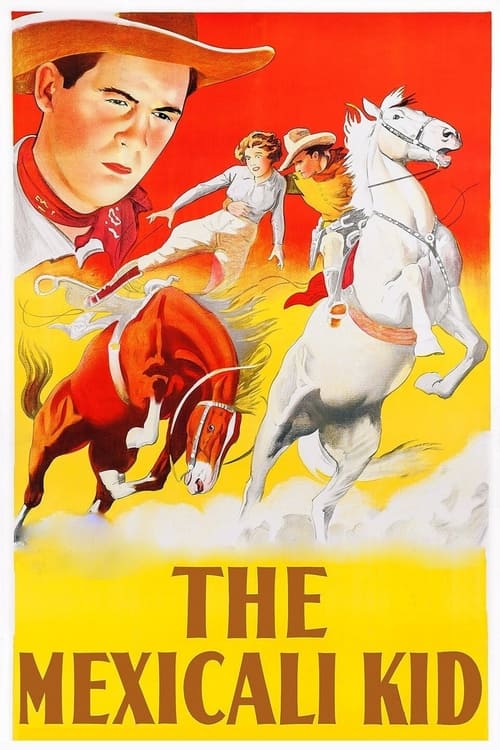
The Mexicali Kid
1938
No user ratings available yet
Diversity score: 1.7 out of 10
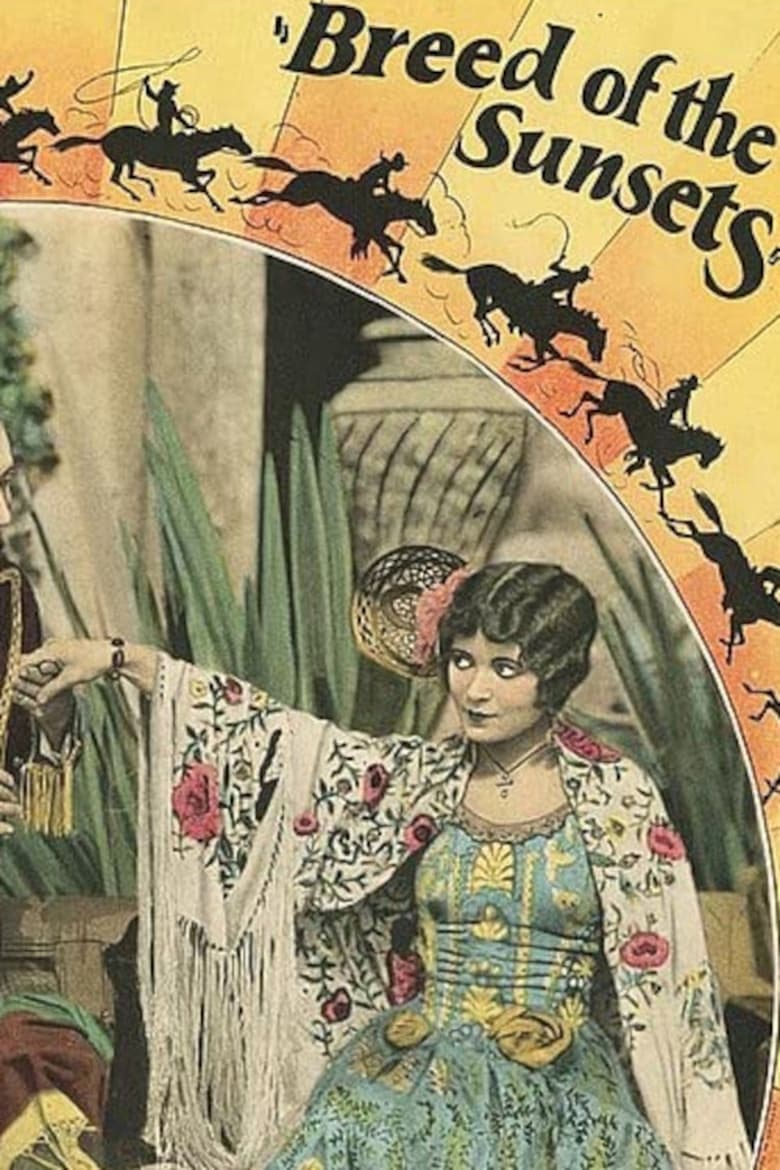
1928
PassedDirector
Wallace Fox
Runtime
50 minutes
Average Rating
No ratings yetSynopsis
Lovely senorita Maria Alvaro is rescued from a gunshot wedding to foppish Senor Valdez practically on the steps to the church by daredevil rider Jim Collins.
Overall Score
Limited
Category Breakdown
LGBTQ+ Representation
The film follows a heteronormative romantic structure. There are no visible non-cisnormative identities or narratives that challenge traditional sexual orientations.
Gender Representation
The story relies on traditional gender hierarchies. Maria Alvaro is a passive figure needing rescue, while Jim Collins acts as the active protector.
Racial & Ethnic Diversity
Character names suggest a Latin American or Southwestern context. However, the setting may serve as an exoticized backdrop rather than a nuanced exploration of ethnic agency.
Religious & Cultural Diversity
The narrative utilizes melodramatic tropes like a 'gunshot wedding.' It adheres to standard Western conventions rather than exploring alternative moral frameworks.
Disability Representation
There is no evidence of characters with visible or invisible disabilities. The documentation provides no information regarding disability representation.
Strengths
Areas for Improvement
AI Analysis
Breed of the Sunsets is a conventional silent-era Western that leans heavily on established genre archetypes. The plot centers on a classic rescue trope, where a heroic male figure intervenes to save a female protagonist from a forced marriage. The film reinforces the social and gender hierarchies typical of 1928. By positioning the male lead as the active agent and the female lead as a damsel in distress, the narrative lacks intersectional complexity or subversion of the status quo. While the setting implies a specific cultural context through character names, the film appears to function as a traditional adventure piece. It prioritizes melodrama and genre tropes over deep cultural or social exploration.
1938

1950

1950
1950

1951

1946
1930

1950
1927
1932
1935
1930
No reviews yet. Be the first to share your thoughts on this movie!
Use the rating form above to leave a star rating and optional review.