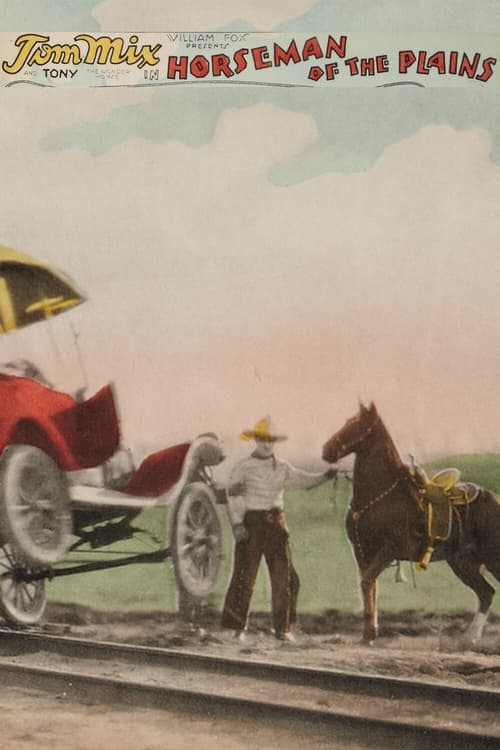
Horseman of the Plains
1928
No user ratings available yet
Representation score: 1.3 out of 10
Representation Score
Minimal
1929
PassedDirector
Albert S. Rogell
Runtime
65 minutes
Average Rating
No ratings yetNew Showbiz Analysis
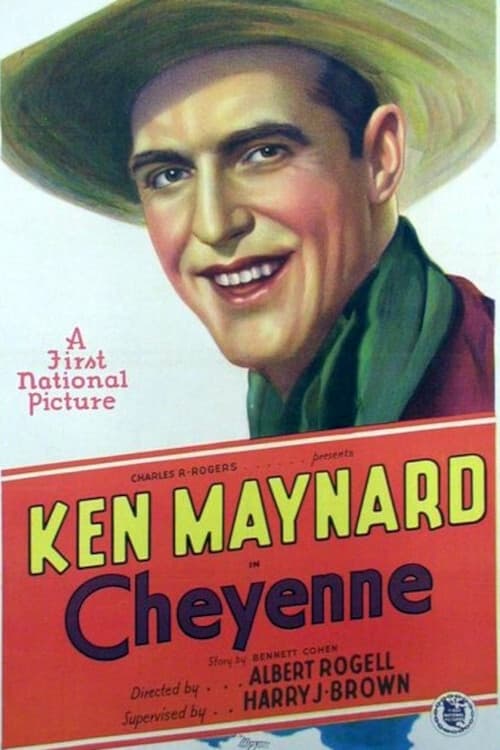
Cheyenne is a quintessential example of early Hollywood genre filmmaking, strictly adhering to the social and narrative hierarchies of 1929. The film prioritizes traditional masculine heroism and a standard Western cliché where the male lead serves as the primary driver of the story. The narrative structure relies on conventional romantic resolutions and reinforces established demographic norms. While the female lead possesses some motivation through her family's financial struggles, the story ultimately settles into a predictable, straight-centered conclusion. Overall, the film offers minimal disruption to the period's cultural standards, focusing instead on physical competition and individual merit within a homogeneous social framework.
Category Breakdown
The film centers on a traditional heterosexual romance between Cal Roberts and a female character. It follows the conventional romantic structures of the era without exploring non-straight relationships.
Cal Roberts drives the action as the primary hero. While the female lead takes control through horse racing to settle debts, she ultimately functions within a traditional romantic framework.
The narrative focuses on a white protagonist and romantic interest. It aligns with the homogeneous demographic norms of early 20th-century Western cinema, lacking diverse casting or multi-layered representation.
The story upholds traditional Western values like individual merit and physical prowess. It emphasizes a stable social order and conventional resolutions rather than deconstructing Western institutions.
There is no mention of characters possessing visible or invisible disabilities within the narrative.
Present on Screen
Limited or Absent
Official Synopsis
Cal Roberts can ride anything with four legs. He enters the contests held at big rodeo. He wins all honors and meets a girl who races horses to help her father clear pressing debts. Complications follow, but Cal wins the girl.
1928
1926
1926
1927
1930
1922
1930
1958
No reviews yet. Be the first to share your thoughts on this movie!
Use the rating form above to leave a star rating and optional review.