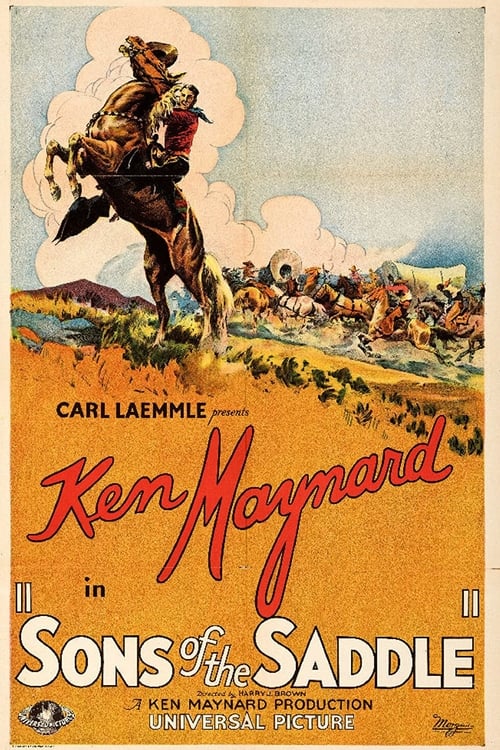
Sons of the Saddle
1930
No user ratings available yet
Representation score: 1.3 out of 10
Representation Score
Minimal
1925
PassedDirector
Clifford Smith
Runtime
50 minutes
Average Rating
No ratings yetNew Showbiz Analysis
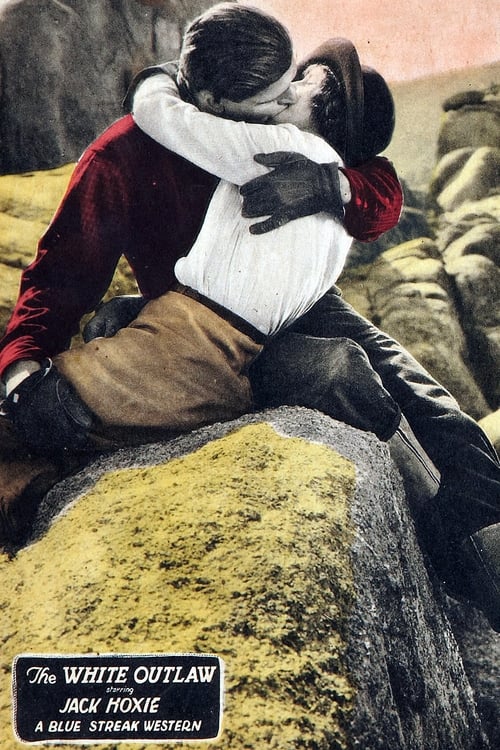
The White Outlaw is a conventional silent-era Western that relies heavily on established genre clichés. The narrative structure prioritizes masculine conflict and traditional romantic dynamics, offering little room for social complexity. Representation is limited by the era's standard practices. The film focuses on a homogeneous cast and a central plot driven by individualistic Western values, reinforcing historical social hierarchies rather than challenging them. Ultimately, the film serves as a period-typical genre piece. It lacks the intentionality or structural diversity required to provide meaningful perspectives that reflect multiple aspects of identity or diverse character's ability to drive the story.
Category Breakdown
The film follows a traditional romantic pursuit between Jack Lupton and Mary Gale. It adheres to standard romantic archetypes without exploring non-straight or non-cisgender identities.
The story centers on a male protagonist's journey and his rivalry with another man. Mary Gale's role is defined primarily by her relationship to these male leads.
The narrative focuses on a conflict between white characters, Jack Lupton and James Hill. There is no indication of a diverse or non-Anglo-Saxon cast.
The plot utilizes classic Western motifs and themes of rugged individualism. It focuses on personal rivalry and property rather than broader cultural or religious critiques.
There is no information regarding characters with visible or invisible disabilities in the film's narrative.
Present on Screen
Limited or Absent
Official Synopsis
Jack Lupton loves three things in the world, Buck his dog, Scout his horse and the lovely rancher's daughter Mary Gale. But his beloved horse Scout was driven off by man's cruelty and finding freedom, now leads a big herd of horses to run wild! And Jack has his own problems with the cruelty of his fellow man, in the form of James Hill his brutal and jealous rival for Mary's affections!
1930
1930
1926
1927
1925
1922
1926
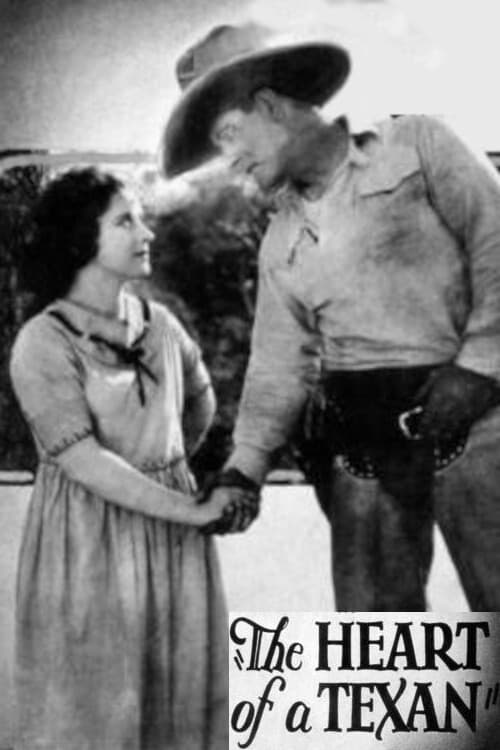
1922
No reviews yet. Be the first to share your thoughts on this movie!
Use the rating form above to leave a star rating and optional review.