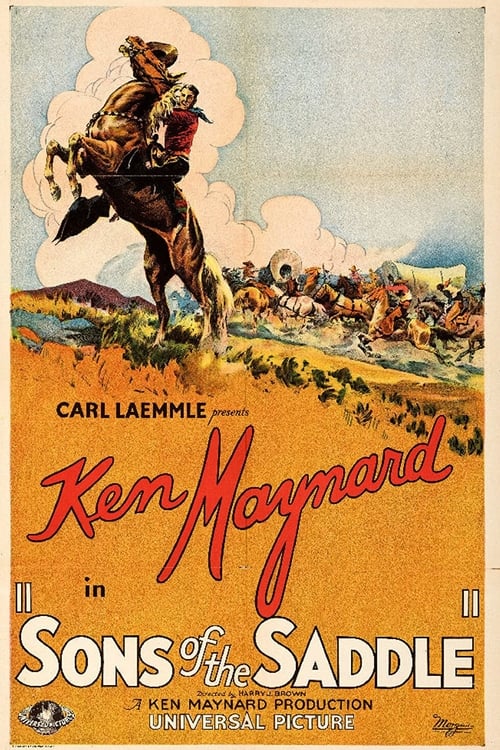
Sons of the Saddle
1930
No user ratings available yet
Representation score: 1.3 out of 10
Representation Score
Minimal
1930
PassedDirector
Harry Joe Brown
Runtime
66 minutes
Average Rating
No ratings yetNew Showbiz Analysis
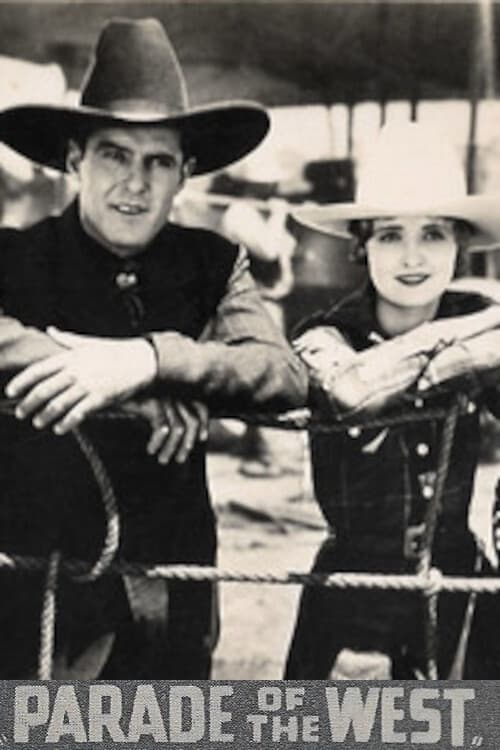
Parade of the West is a period-typical Western that reinforces the social and cultural norms of the early 1930s. The narrative relies on traditional heroic clichés and clear-cut moral binaries common to the genre's early sound era. The film's structure prioritizes masculine competition and conventional romantic structures. It lacks any significant disruption to established social hierarchies, focusing instead on individualist heroism and frontier mythology. Ultimately, the work functions as a standard genre piece, offering minimal representation of diverse identities or non-traditional perspectives.
Category Breakdown
The film revolves around a conventional rivalry between men over a female performer. There is no representation of non-straight or non-cisgender identities, nor does it challenge the assumption that everyone is straight or cisgender.
The plot follows a traditional hierarchy where men compete physically. Mary, while central to the romance, mainly serves as a catalyst for male actions rather than acting independently.
The story focuses on a white cowboy in a Wild West Show setting. It seems to follow the homogeneous casting norms typical of early 20th-century Westerns.
The narrative is rooted in frontier mythology, emphasizing themes of honor and revenge. It celebrates individualist heroism and the established social order of the Western genre.
The film provides no information about characters with visible or invisible disabilities.
Present on Screen
Limited or Absent
Official Synopsis
Bud Rand, a cowboy who is charged with the care of Little Billy Rand, accepts an offer to appear with Copeland's Wild West Show to ride a horse called "Mankiller." Dude, Copeland's righthand man, resents Bud's attentions to Mary, one of the performers, and when they fight it out, Bud is the victor. In revenge Dude loosens the cinch on the horse.....
1930
1930
1925
1930
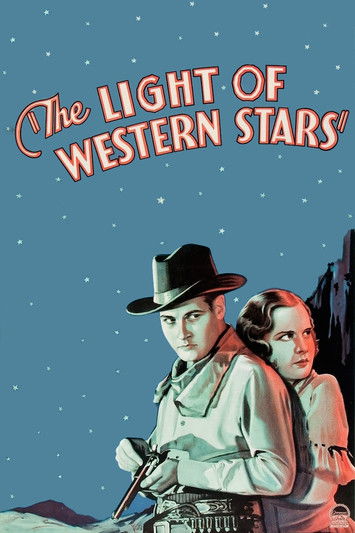
1930
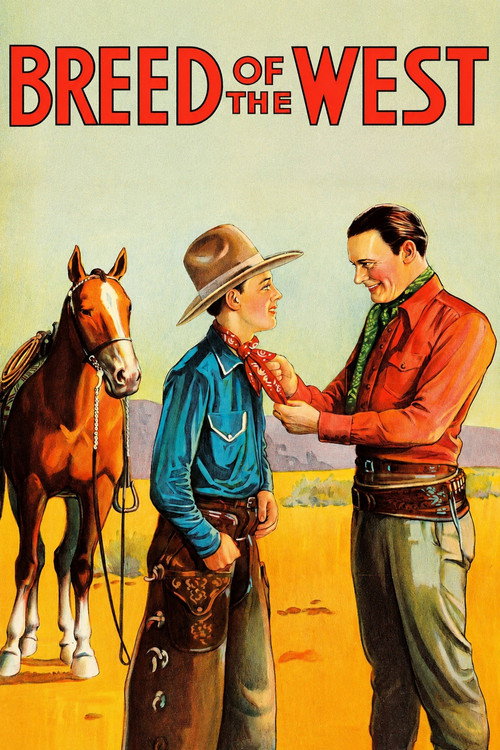
1930
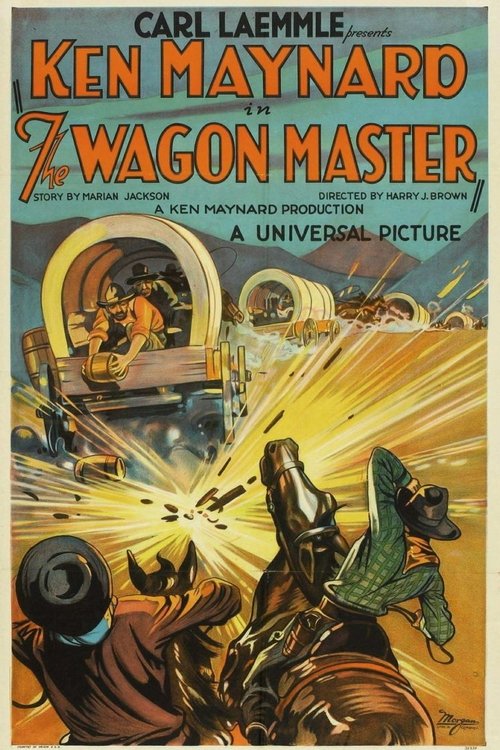
1929
1930
No reviews yet. Be the first to share your thoughts on this movie!
Use the rating form above to leave a star rating and optional review.