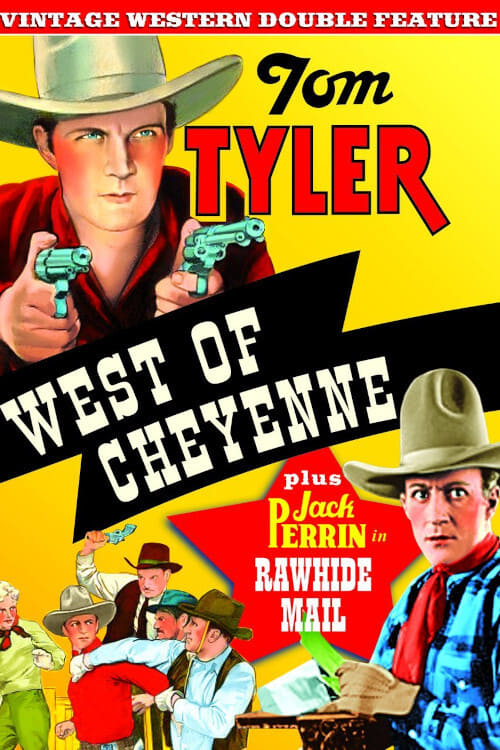
West of Cheyenne
1931
No user ratings available yet
Diversity score: 2.1 out of 10
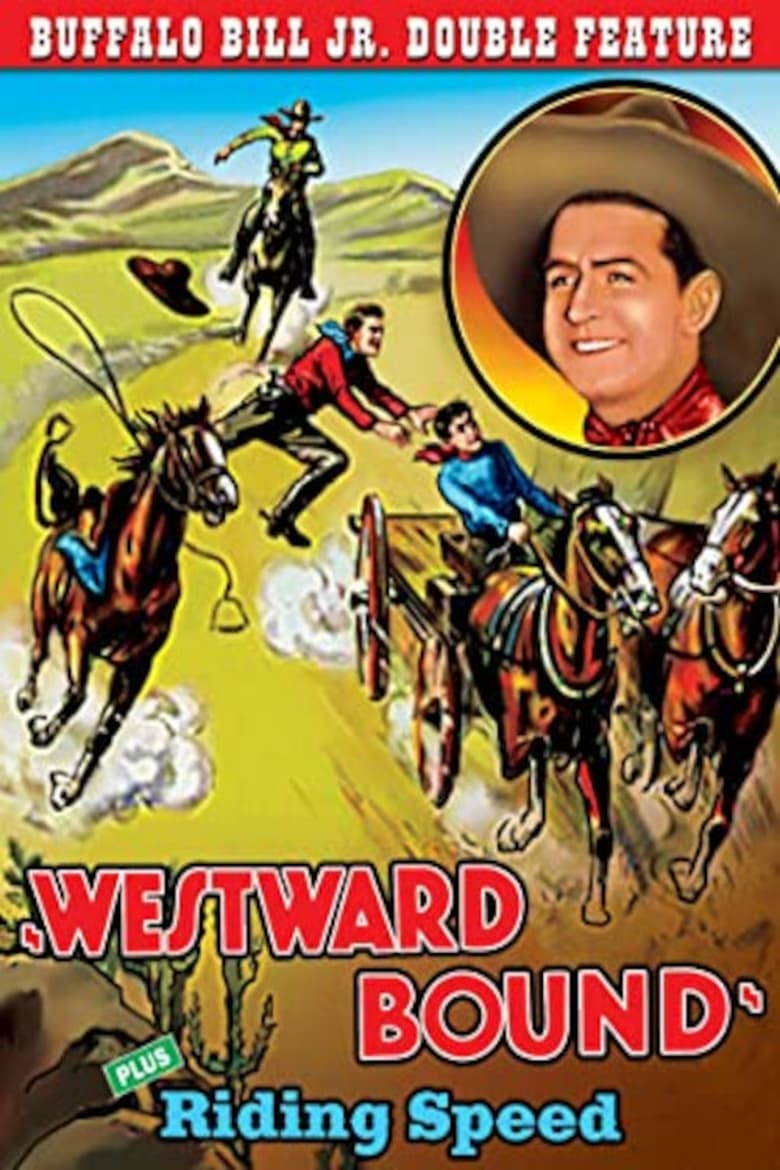
1930
PassedDirector
Harry S. Webb
Runtime
55 minutes
Average Rating
No ratings yetSynopsis
After Bob Lansing (Jay Wilsey as Buffalo Bill Jr). is involved in a nightclub scrape, where he meets Montana rancher Madge Holt (Allene Ray)), his father sends him out west with his chauffeur Ben (Ben Corbett). In Montana, they are mistaken for rustlers Dick (Tom London) and Jim (Yakima Canutt), and Bob again meets Madge, who recognizes him but wishes to make things difficult for him.
Overall Score
Limited
Category Breakdown
LGBTQ+ Representation
The film lacks any evidence of non-heteronormative identities. The plot centers on a traditional romantic encounter between the male lead and a female rancher.
Gender Representation
Madge Holt serves as a female lead, though her agency primarily drives romantic tension. The male-dominated ranching setting reinforces traditional masculine hierarchies.
Racial & Ethnic Diversity
The narrative appears to reflect the homogeneous casting norms of 1930s Westerns. There is no indication of non-white characters possessing significant agency.
Religious & Cultural Diversity
The story adheres to foundational myths of the American West. It focuses on frontier life and ranching without deconstructing Western institutions.
Disability Representation
There is no information available regarding the depiction of physical or neurodivergent characters in this production.
Strengths
Areas for Improvement
AI Analysis
Westward Bound is a product of its era, adhering strictly to the conventional tropes of the early sound-era Western. The narrative architecture prioritizes traditional romantic arcs and frontier individualism over any subversive or progressive themes. The film reinforces established social hierarchies, particularly regarding gender and race. While a female lead exists, she functions within standard romantic friction tropes rather than challenging the male-dominated setting of the American West. Ultimately, the production reflects the homogeneous and Anglo-centric perspectives common to 1930s genre filmmaking, offering little in the way of diverse representation or cultural critique.
1931

1939
1925
1934
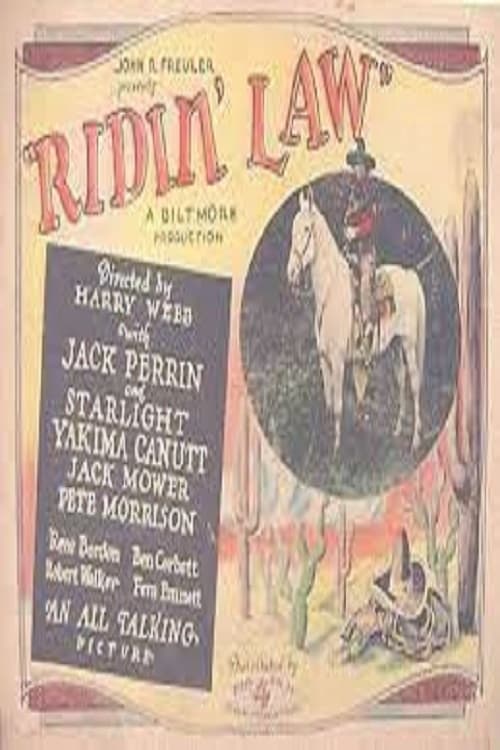
1930
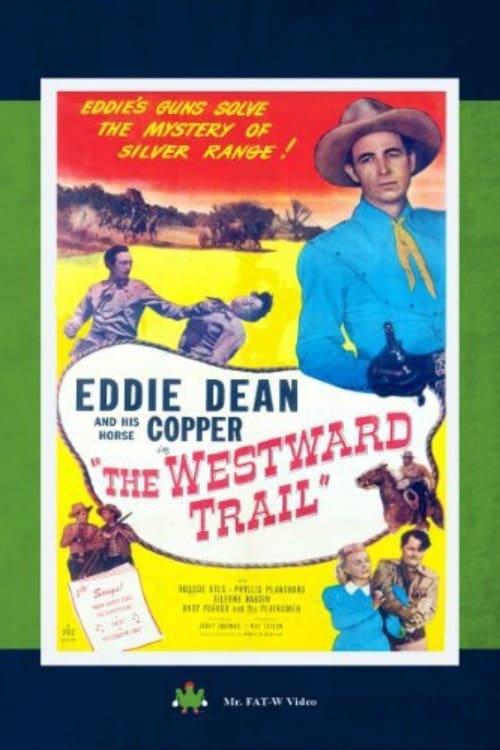
1948
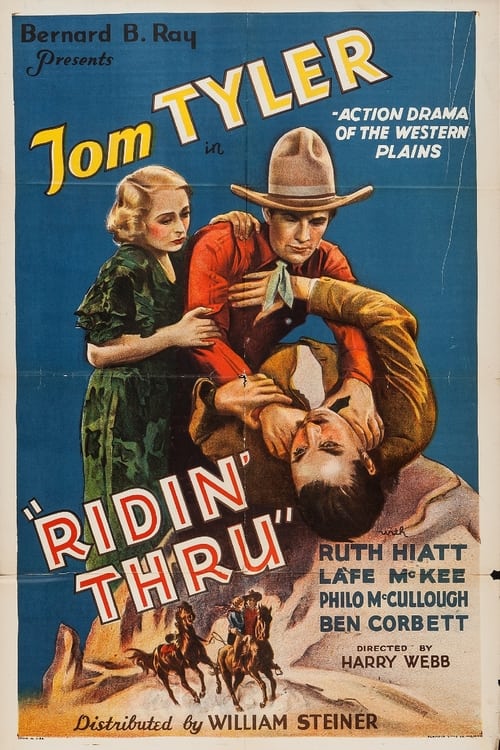
1934
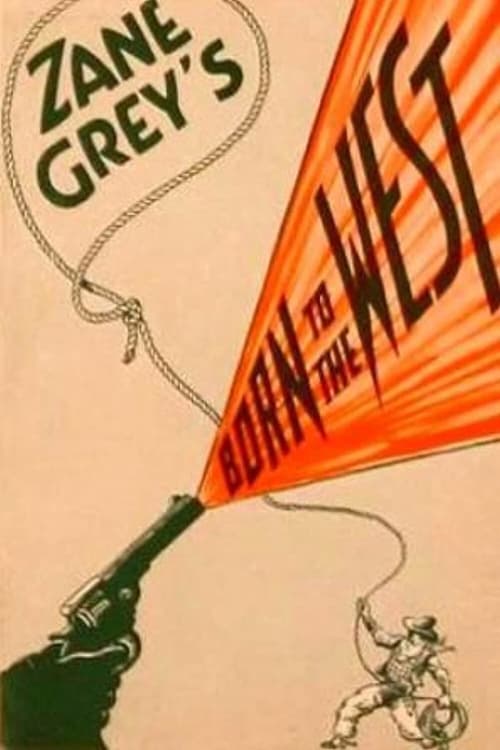
1926
1935
1929
1935
1930
No reviews yet. Be the first to share your thoughts on this movie!
Use the rating form above to leave a star rating and optional review.