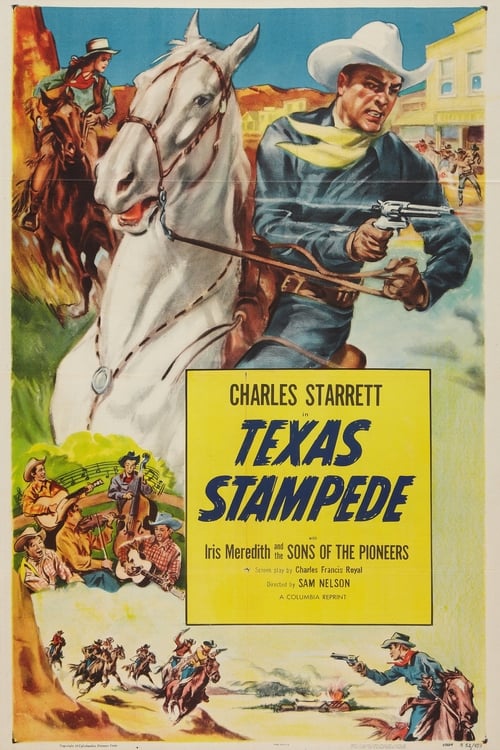
Texas Stampede
1939
No user ratings available yet
Representation score: 1.8 out of 10
Representation Score
Minimal
1935
ApprovedDirector
William A. O'Connor
Runtime
50 minutes
Average Rating
No ratings yetNew Showbiz Analysis
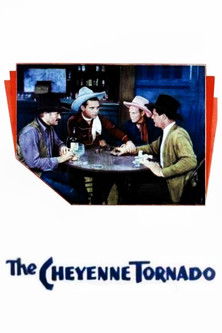
The Cheyenne Tornado is a classic 1930s B-Western that reinforces established social and cultural norms. It relies heavily on traditional genre clichés, focusing on frontier justice and clear moral binaries. The film lacks depth in representing diverse identities. While Indigenous elements are present, they serve the plot rather than providing complex character studies. Ultimately, the narrative upholds the social structures of its time, offering no challenge to traditional gender roles or cultural norms.
Category Breakdown
The film does not include any LGBTQ+ characters or explore non-straight identities. It follows the traditional heterosexual norms of 1930s Westerns.
Women are given minor roles and often act as catalysts for the male protagonist. The film lacks strong female characters and centers on male authority and leadership.
Cheyenne characters appear but mainly serve as plot devices for conflict. Their depiction lacks complexity and emphasizes settler perspectives over authentic Indigenous representation.
The story upholds traditional Western institutions and frontier justice. It promotes settler-colonial expansion and individualistic honor without critiquing these norms.
There are no characters with visible or invisible disabilities. Disability is not used as a narrative device in this film.
Present on Screen
Limited or Absent
Official Synopsis
A cowboy steps in when cattlemen try to force a sheepherder off the range.
1939
1939
1937
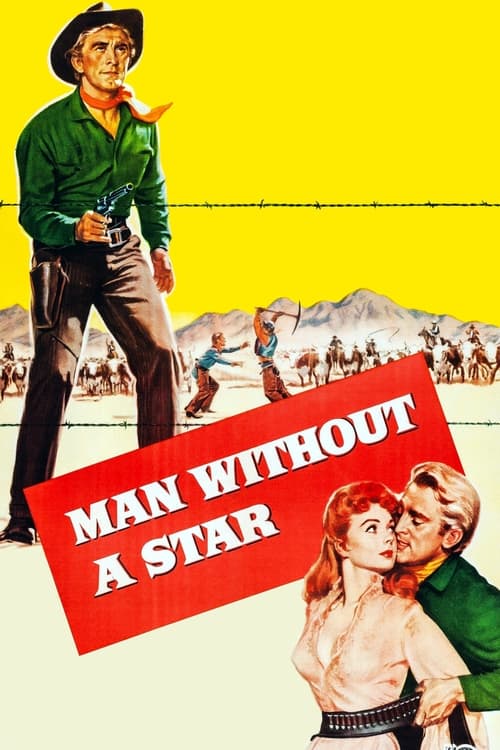
1955
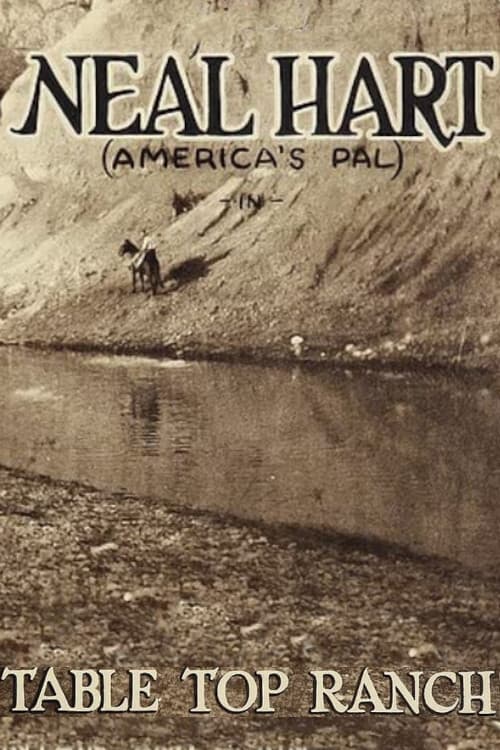
1922
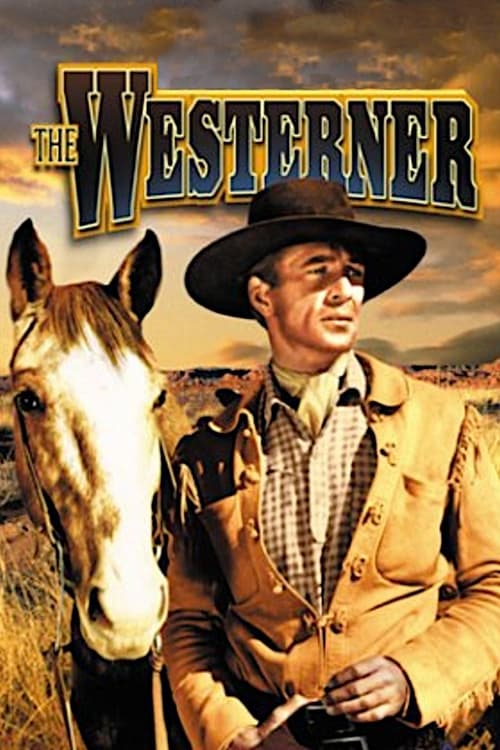
1940
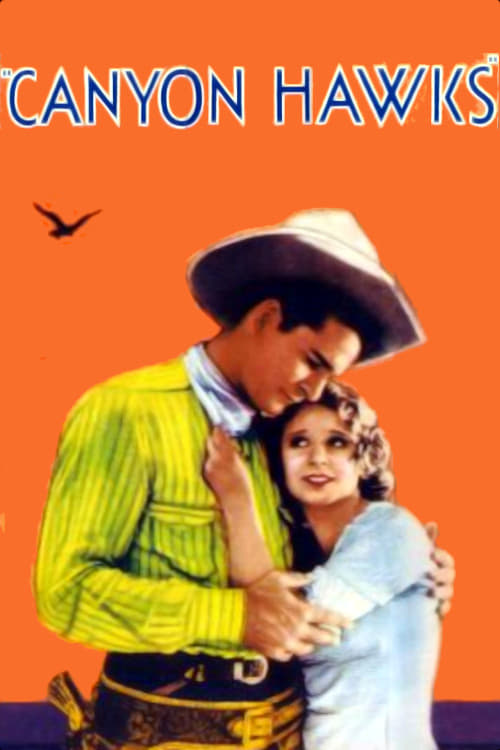
1930
1939
No reviews yet. Be the first to share your thoughts on this movie!
Use the rating form above to leave a star rating and optional review.