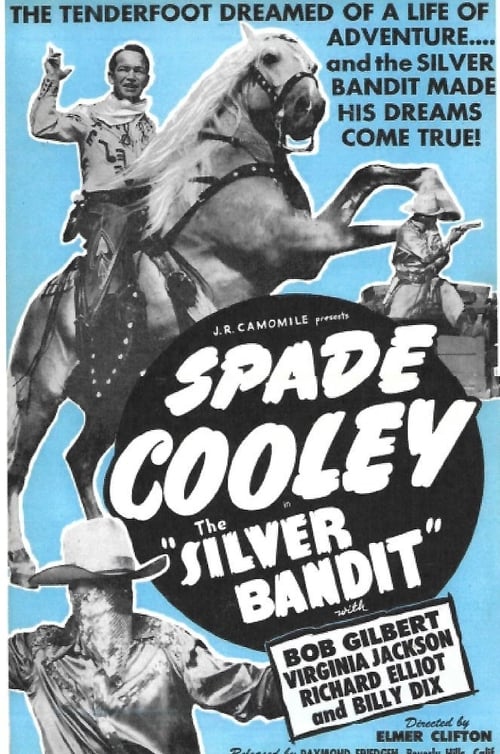
The Silver Bandit
1950
No user ratings available yet
Representation score: 1.1 out of 10
Representation Score
Minimal
1950
ApprovedDirector
Oliver Drake
Runtime
53 minutes
Average Rating
No ratings yetNew Showbiz Analysis
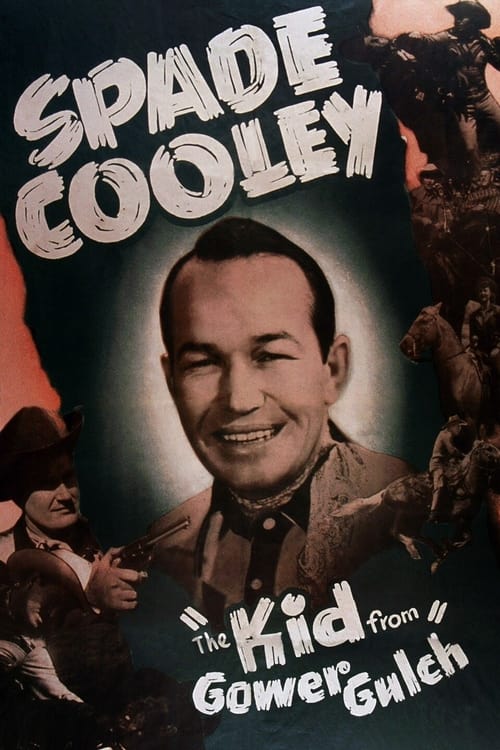
The Kid from Gower Gulch is a typical 1950s Western that relies on genre clichés rather than challenging social norms. The story revolves around a singing-cowboy archetype, reinforcing traditional masculine leadership and assumptions about straight relationships. The film's representation is limited, sticking to the era's conventional casting and cultural norms. It focuses on protecting property and individual heroism, reflecting mid-century capitalist and agrarian ideals. Overall, the film functions as a conventional piece of its time, reinforcing established social hierarchies and traditional gender roles without deconstructing them.
Category Breakdown
The film does not include any characters with non-straight or non-cisgender identities or same-sex relationships. It centers on a traditional singing-cowboy archetype that emphasizes straight relationships.
The story focuses on a male character struggling with traditional masculinity. He initially hides his inability to ride or fight but eventually embraces traditional heroism.
The film reflects the homogeneous Western stereotypes of the 1950s. It does not feature actively leading characters of color or diverse casting.
The plot centers on mid-century values such as property ownership and individual heroism. It upholds traditional institutions and does not challenge them.
The protagonist's inability to perform cowboy skills is used for comedic or dramatic effect. It does not explore physical disabilities in depth.
Present on Screen
Limited or Absent
Official Synopsis
A Hollywood singing-cowboy star with a big heart and an even bigger secret (he uses a double in most scenes because he can't ride, fight or sing) comes to the aid of a rancher about to lose his home on a rodeo bet.
1950
1939
1937
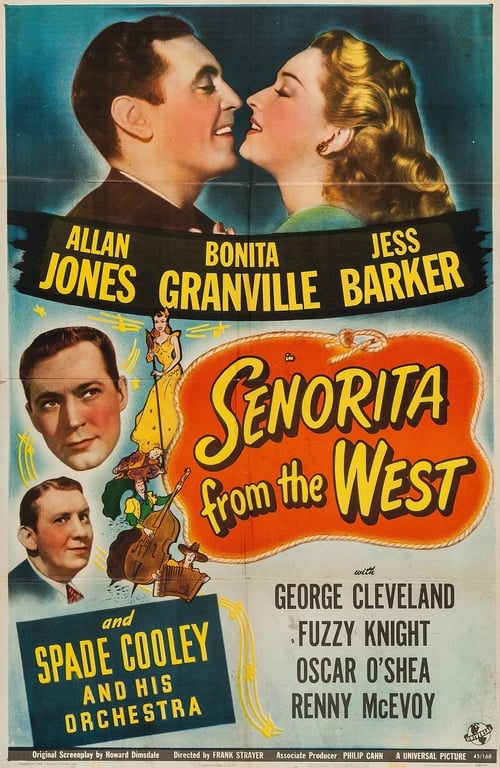
1945
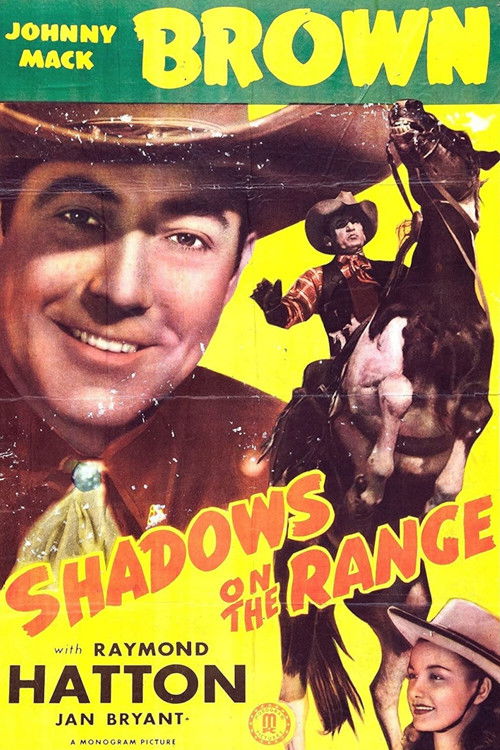
1946
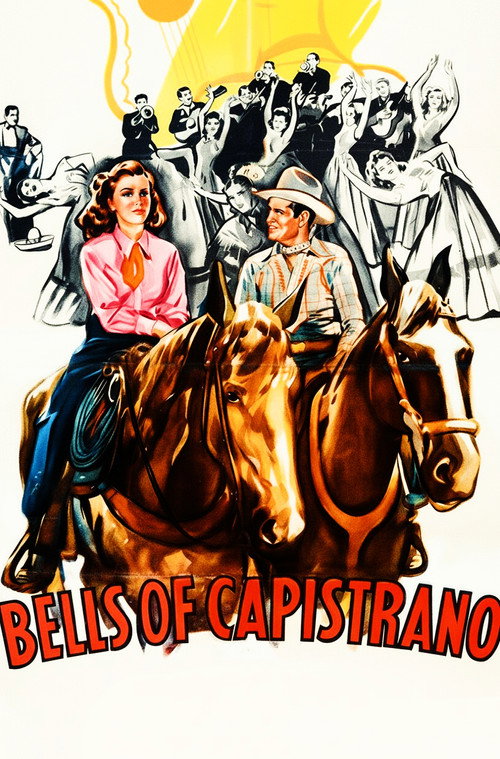
1942
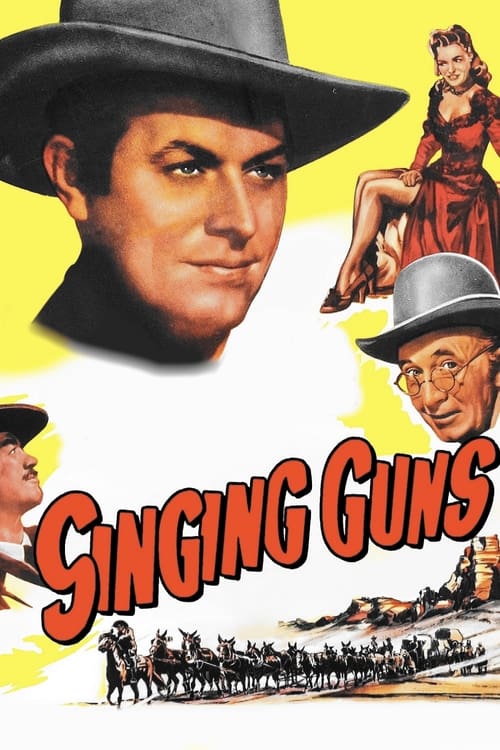
1950
1932
No reviews yet. Be the first to share your thoughts on this movie!
Use the rating form above to leave a star rating and optional review.