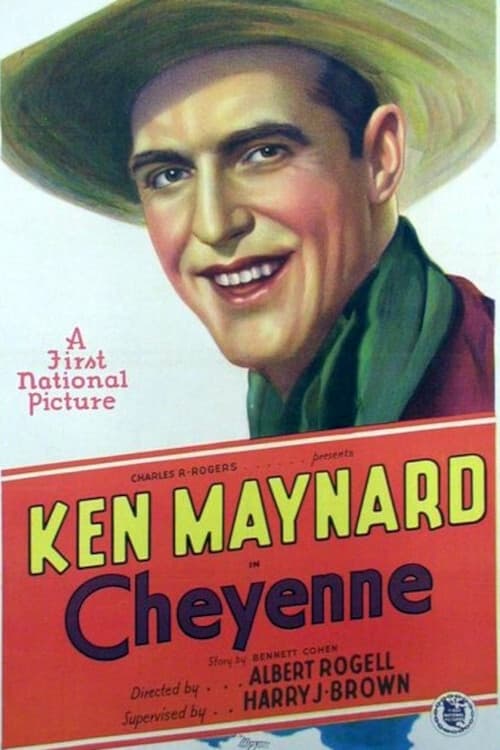
Cheyenne
1929
No user ratings available yet
Representation score: 1.3 out of 10
Representation Score
Minimal
1928
PassedDirector
Benjamin Stoloff
Runtime
50 minutes
Average Rating
No ratings yetNew Showbiz Analysis
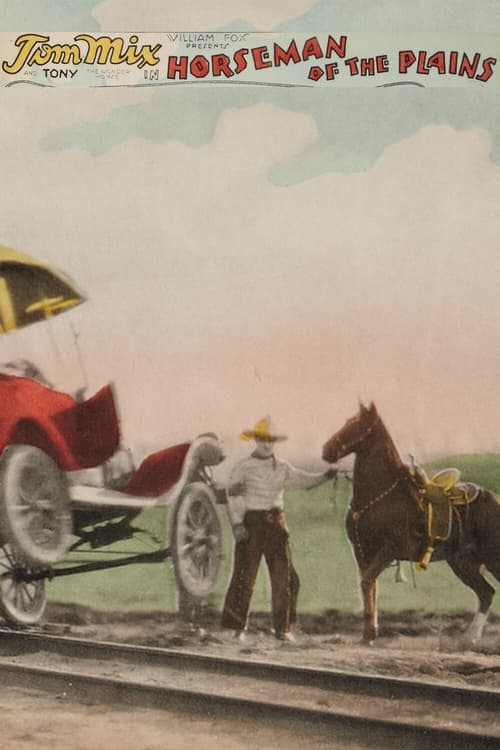
Horseman of the Plains is a quintessential silent-era Western that prioritizes traditional genre structures over social complexity. The narrative relies on established clichés of heroism and romantic pursuit to drive the plot forward. The film reinforces the social hierarchies of the 1920s, emphasizing land ownership and physical prowess. Ultimately, the work upholds the mythos of the American West through a narrow, homogeneous lens, focusing on individual achievement and conventional domestic ideals.
Category Breakdown
The film focuses on a typical romantic pursuit between the hero and the rancher's daughter, reinforcing standard romantic clichés without exploring non-traditional gender identities.
Tom Mix drives the plot through physical action and competition. The female lead is portrayed as a passive object of affection, adhering to traditional gender hierarchies.
The narrative centers on a ranching community and a singular hero. It lacks evidence of diverse casting or non-Anglo-Saxon characters with meaningful roles.
The story upholds traditional Western values regarding property and land ownership. It emphasizes the importance of economic stability and meritocratic competition.
The available information provides no mention of characters navigating physical or neurodivergent disabilities.
Present on Screen
Limited or Absent
Official Synopsis
Tom Mix plays a cowboy coming to the aid of a rancher who's on the verge of foreclosure. Falling in love with Sally Blane, the rancher's pretty daughter, our hero vows to win an important cross-country race.
1929
1940
1927
1939
1928
1930
1928
1926
No reviews yet. Be the first to share your thoughts on this movie!
Use the rating form above to leave a star rating and optional review.