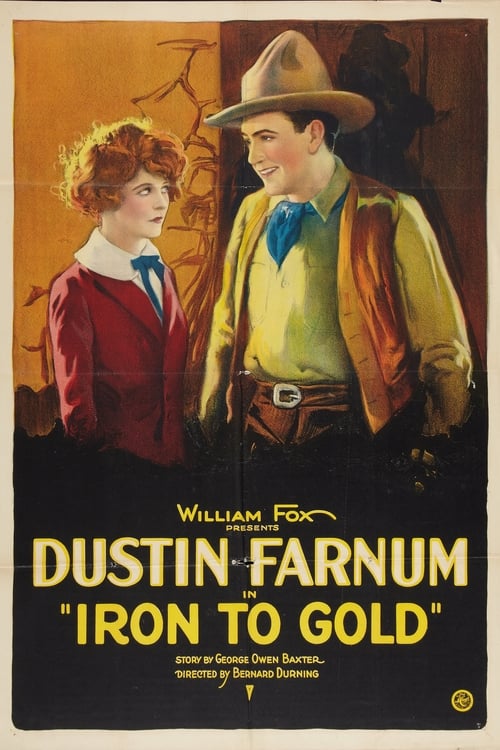
Iron to Gold
1922
No user ratings available yet
Representation score: 1.4 out of 10
Representation Score
Minimal
1924
PassedDirector
Albert S. Rogell
Average Rating
No ratings yetNew Showbiz Analysis
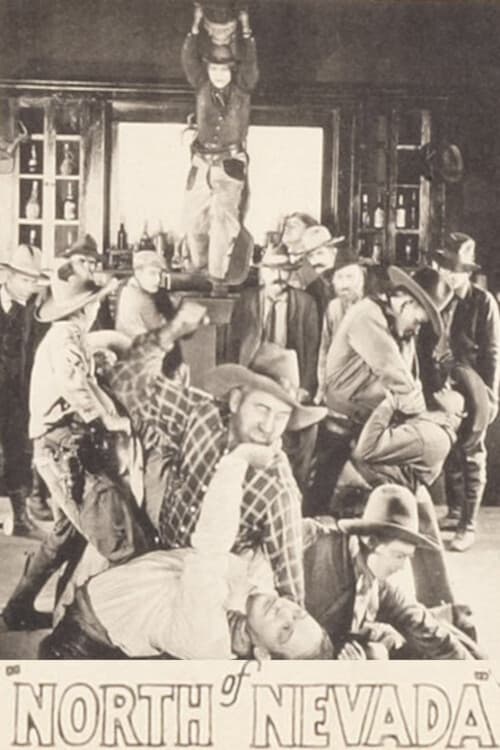
North of Nevada is a classic 1920s Western that upholds the social hierarchies of its time. The film relies on well-established genre clichés, focusing on frontier justice and clear moral distinctions rather than character development. The narrative reinforces traditional power dynamics. Gender roles are rigid, with women serving primarily as catalysts for male-driven conflicts, and racial representation is limited to a stereotypical portrayal of an Indigenous villain.
Category Breakdown
The story centers around a typical heterosexual relationship between Tom Taylor and Marion. It does not include any representation of LGBTQ+ identities or narratives that challenge traditional assumptions about sexuality and gender.
Marion plays a key role in advancing the plot, but her influence is limited to being an object of affection and a kidnapping target. The main conflicts in the story are driven by male characters.
The film features a character named Indian Joe Deerfoot, portrayed as a villainous figure using racial stereotypes rather than a nuanced depiction of Indigenous people.
The storyline emphasizes the preservation of ranching traditions and property rights, reinforcing traditional Western values and moral frameworks without questioning established institutions.
There are no visible or hidden disabilities depicted in the film, nor are they used as plot devices.
Present on Screen
Limited or Absent
Official Synopsis
When old rancher Mark Ridgeway passes away, his property goes to relatives in the East instead of to trusted foreman Tom Taylor as promised. The relatives, Reginald (Taylor Graves) and his sister Marion, arrive to take over the ranch, and Tom quickly falls for the lovely Marion. The weak Reginald, on the other hand, sells his part of the property to evil Indian Joe Deerfoot, who then kidnaps Marion to get her share as well.
1922
1960
1927

1957
1939
1938
1922
1930
No reviews yet. Be the first to share your thoughts on this movie!
Use the rating form above to leave a star rating and optional review.