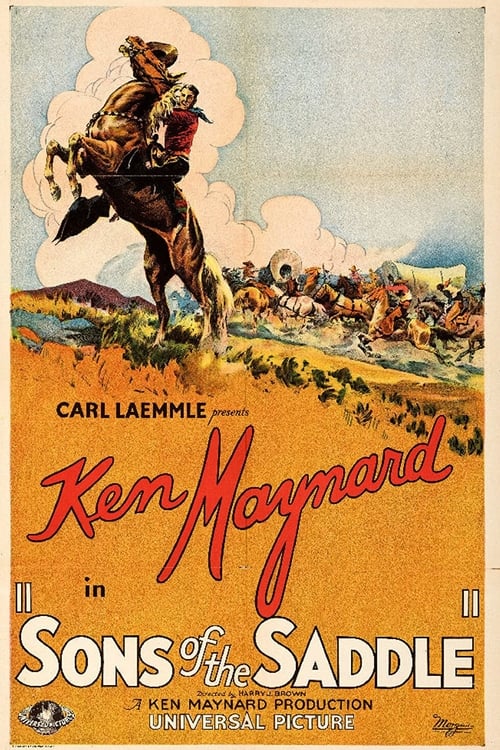
Sons of the Saddle
1930
No user ratings available yet
Representation score: 1.3 out of 10
Representation Score
Minimal
1930
PassedDirector
Harry Joe Brown
Runtime
66 minutes
Average Rating
No ratings yetNew Showbiz Analysis
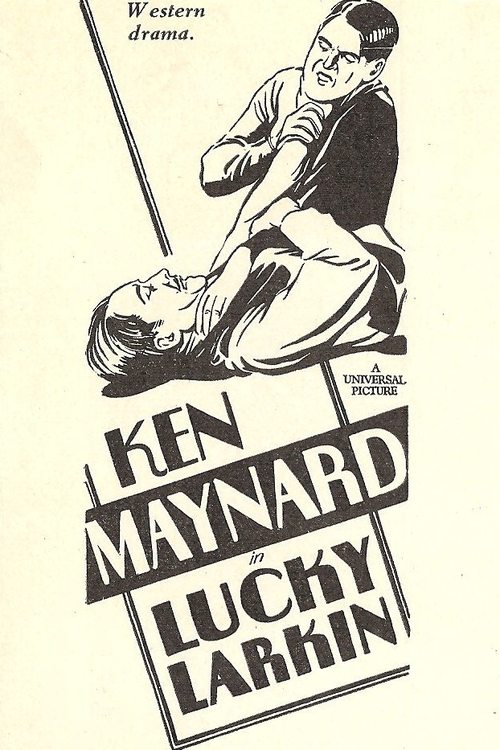
Lucky Larkin is a typical early Western film that upholds genre conventions and traditional social norms. The narrative centers on male-driven conflict, property rights, and the restoration of order through conventional justice. The film adheres to the era's homogeneous social structures, focusing on white settlers and criminal antagonists. Characters are defined by traditional roles, with women serving primarily as prizes rather than active participants in the plot. Ultimately, the film reinforces established social norms and conventional morality, lacking exploration of diverse identities or multi-layered themes.
Category Breakdown
The film follows a traditional storyline where the protagonist wins the affection of Emmy Lou, ending with a conventional romantic resolution.
Emmy Lou serves as a reward for the protagonist rather than having her own independent role. The story emphasizes male-driven conflict, reinforcing traditional gender hierarchies.
The narrative focuses on conflicts between white settlers and criminals, with no indication of diverse ethnic representation.
The film highlights traditional Western values and the triumph of the individual hero within established social norms.
There is no depiction of physical or mental disabilities in the film.
Present on Screen
Limited or Absent
Official Synopsis
Colonel Lee, a homesteader, is the object of terrorists who want to drive him off the range so that his horses cannot be entered in the county races, and he refuses an offer of Martin Brierson to buy him out. Pete, Brierson's brother, in hiding because of his criminal record, burns the colonel's barn and injures his horses. Convinced of Brierson's responsibility for the terror tactics, "Lucky" Larkin plans to ride Tarzan, the colonel's pet colt. Brierson does his best to disqualify the horse, but Larkin tricks him and wins the race. Larkin captures Pete and forces him to confess. The Brierson brothers are brought to justice, and Larkin wins Emmy Lou, a homesteader's daughter.
1930
1940
1930
1935
1936
1930
1936
1927
No reviews yet. Be the first to share your thoughts on this movie!
Use the rating form above to leave a star rating and optional review.