The Scent of Incense
1964
No user ratings available yet
Diversity score: 5.1 out of 10

1958
Not RatedDirector
Keisuke Kinoshita
Runtime
98 minutes
Average Rating
No ratings yetSynopsis
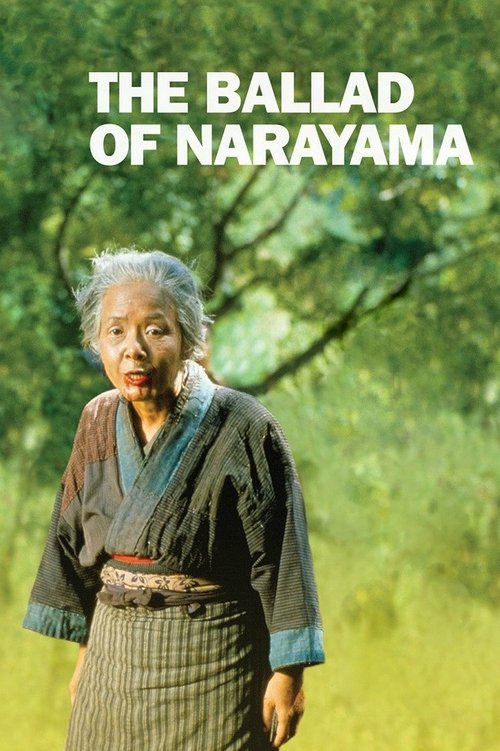
In a remote village where food is scarce, elders who reach the age of 70 are carried by their children to the top of a nearby mountain to die in solitude. Orin, a vibrant 69-year-old grandmother, has accepted her fate — but struggles to prepare the rest of her family for the ritual.
Overall Score
Good
Category Breakdown
LGBTQ+ Representation
The film focuses on agrarian survival and traditional reproductive cycles. There is no discernible presence of queer subtext or non-heteronormative identities.
Gender Representation
The narrative centers on the resilience and agency of the female experience. Orin’s psychological strength and stoicism often outshine the emotional instability of the male characters.
Racial & Ethnic Diversity
This work offers a deeply rooted Japanese perspective that challenges Western social structures. The use of Kabuki-inspired aesthetics reinforces a distinct, non-Western cultural identity.
Religious & Cultural Diversity
The film excels by presenting moral relativism and deconstructing the sanctity of the nuclear family. It prioritizes communal survival over individualistic morality through the ritual of ubasute.
Disability Representation
The plot is driven by the physical vulnerability and declining agency of the elderly. However, these characters often serve as catalysts for younger characters rather than possessing independent agency.
Strengths
Areas for Improvement
AI Analysis
The film is a powerful disruption of Western moral frameworks, utilizing a stylized Kabuki aesthetic to present a worldview centered on communal necessity. It successfully moves away from Anglo-centric perspectives by grounding its narrative in a specific Japanese socioeconomic reality. While the film excels in cultural and gendered agency, it lacks representation for LGBTQ+ identities. The depiction of aging, while central to the plot, tends to treat the elderly as narrative tools for younger characters' development rather than fully autonomous subjects. Ultimately, the film's strength lies in its systemic critique of individualism, replacing traditional filial piety with a grim, pragmatic necessity for survival.
1964
1988
1983
1953
1948
1959
1946

1956
1954

1954
1991

1960
No reviews yet. Be the first to share your thoughts on this movie!
Use the rating form above to leave a star rating and optional review.