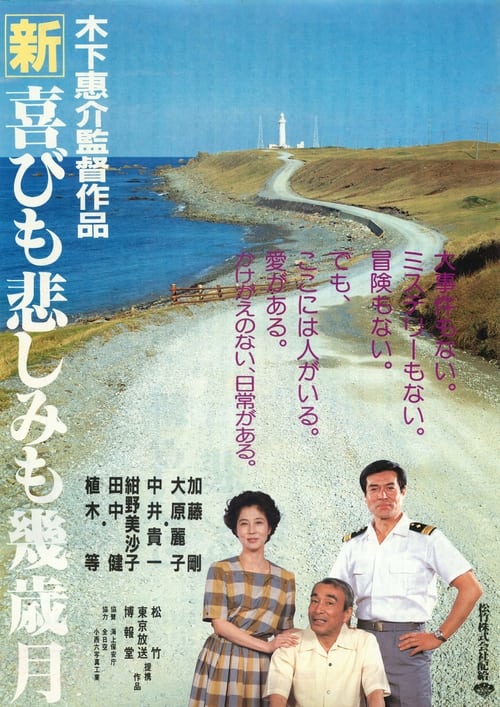
Big Joys, Small Sorrows
1986
No user ratings available yet
Representation score: 6.1 out of 10
Representation Score
Good
1988
Director
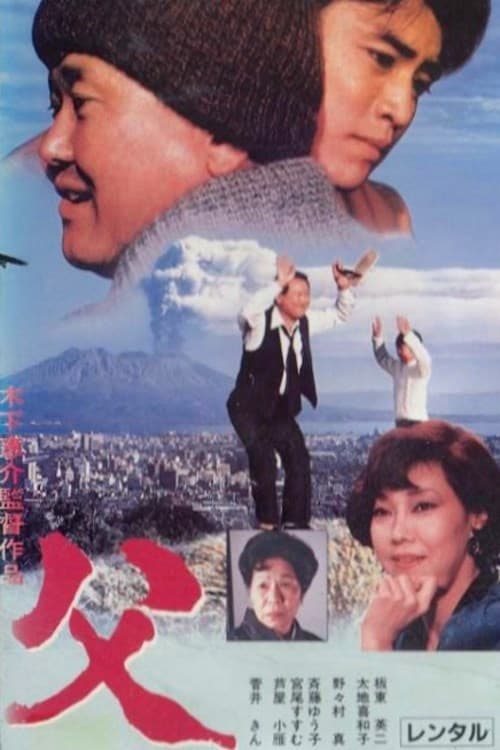
Keisuke Kinoshita
Runtime
74 minutes
Average Rating
No ratings yetNew Showbiz Analysis
Father (1988) is a critical look at the Japanese family during a time of modernization. It challenges the idealized, authoritative patriarch, providing a nuanced view of the breakdown of traditional family structures. However, the film lacks diverse representation, particularly for LGBTQ+ identities and characters with disabilities. Its focus remains on the cultural and social context of Japan, reinforcing traditional views without broadening its scope of human experiences. Ultimately, the film's strength lies in its cultural authenticity and critique of rigid social norms, while it falls short in representing a wider range of human experiences.
Category Breakdown
The story centers on a traditional family structure without including any LGBTQ+ narratives or non-cisgender identities.
The film challenges the typical image of a strong patriarch by showing the father as inadequate. However, it does not give much focus to female leadership.
The movie maintains cultural authenticity with a primarily Japanese cast, avoiding Western stereotypes and focusing on a specific cultural context.
The story questions traditional institutions by highlighting the decline of parental authority. It examines the conflict between established Japanese values and the growth of individualism.
The film does not feature any characters with visible or invisible disabilities as central figures. The narrative focuses on the psychological dynamics within the family.
Present on Screen
Limited or Absent
Official Synopsis
A middle-aged man's family loses patience with him as he struggles with his seemingly directionless life.
1986
1961

1959
1970
1952

1985
1998
2008
No reviews yet. Be the first to share your thoughts on this movie!
Use the rating form above to leave a star rating and optional review.